A heart begins as a tube
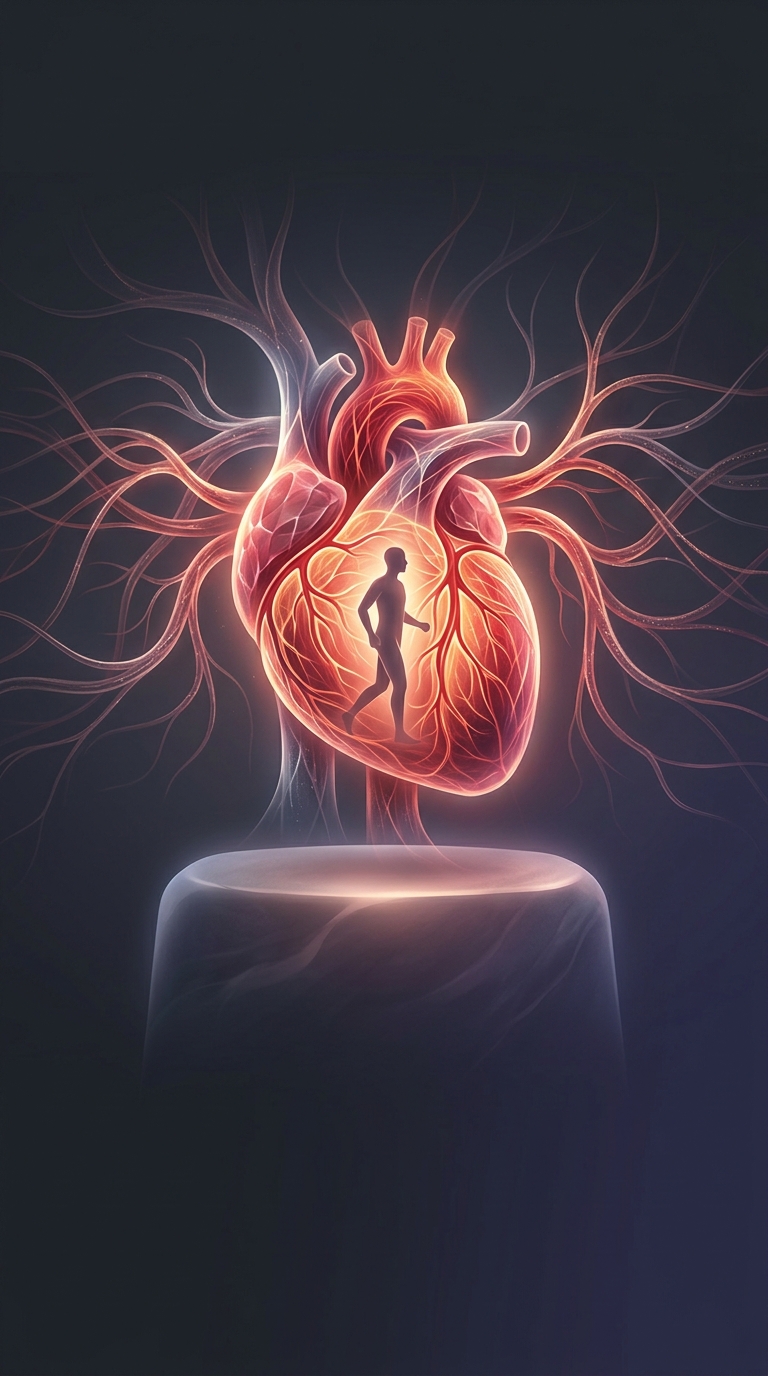
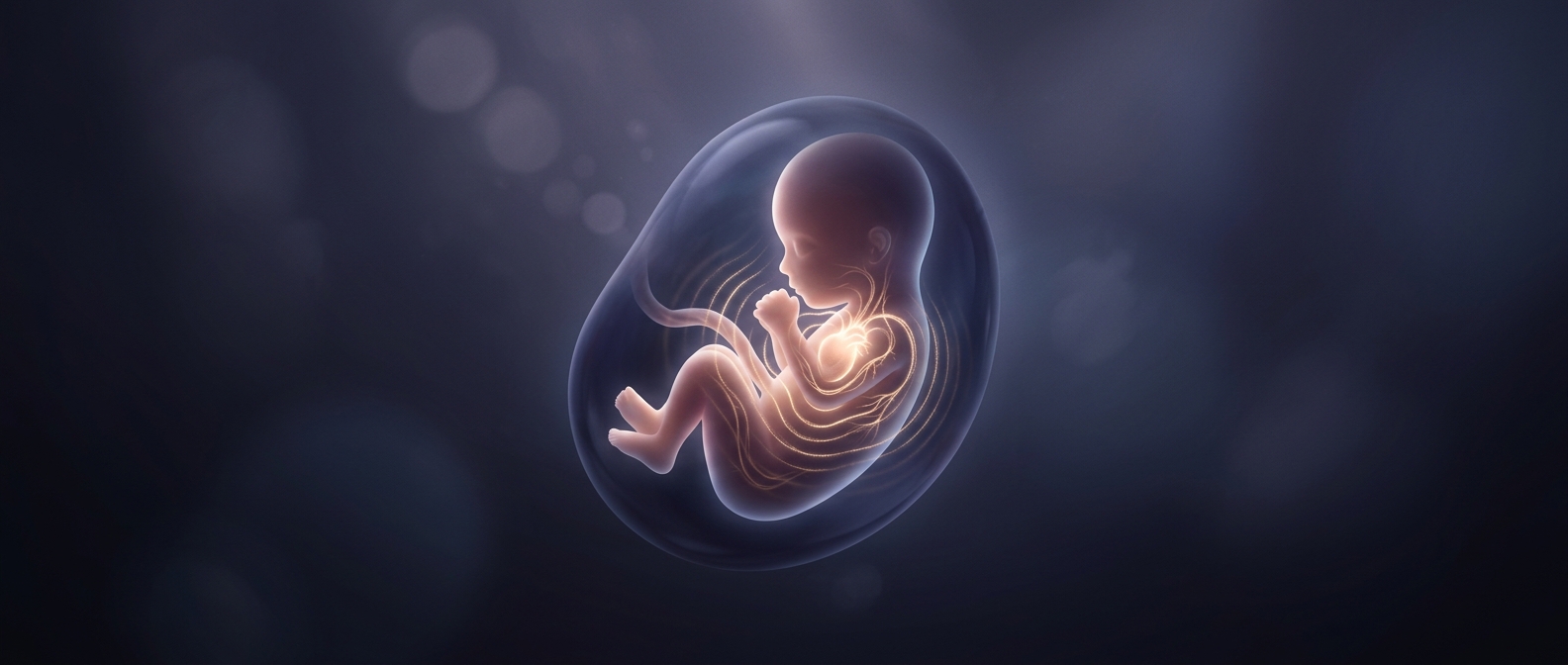
The early heart is not yet a four-chambered pump. It starts as a simple tube made from developing heart muscle. Cells in that tissue can generate electrical signals and contract on their own, producing coordinated waves of motion before the mature heart’s chambers and control system have formed.
That distinction matters: an early rhythm is real, but it is not evidence that the heart is already working like an adult heart.
Why the first contractions matter
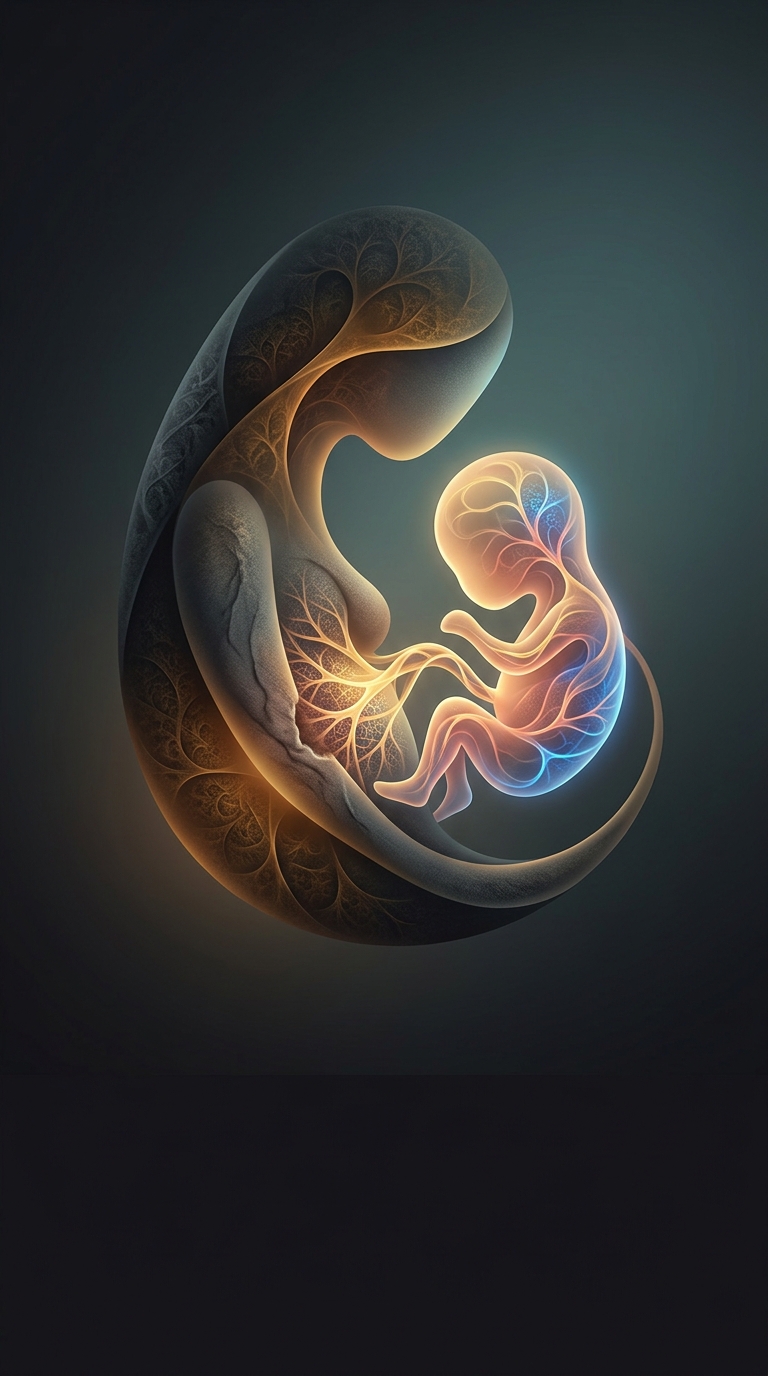
As the tube contracts, it pushes blood through the embryo’s earliest vessels. This circulation helps carry oxygen and nutrients and move waste as tissues grow and the body’s layout is still taking shape. At this stage, the developing embryo also exchanges substances with the mother through early support systems that later develop into the placenta; the tiny heart is part of a changing transport network, not a stand-alone engine.
The rhythm develops with the body
As development continues, the tube bends and divides into chambers. The pathways that coordinate each heartbeat also become more specialized, making circulation more organized. The first beats mark the start of a process, not the arrival of a finished heart. Its structure and rhythm mature together, while the rest of the body is still being built.