Why a Pull Handle Takes Up Packing Space
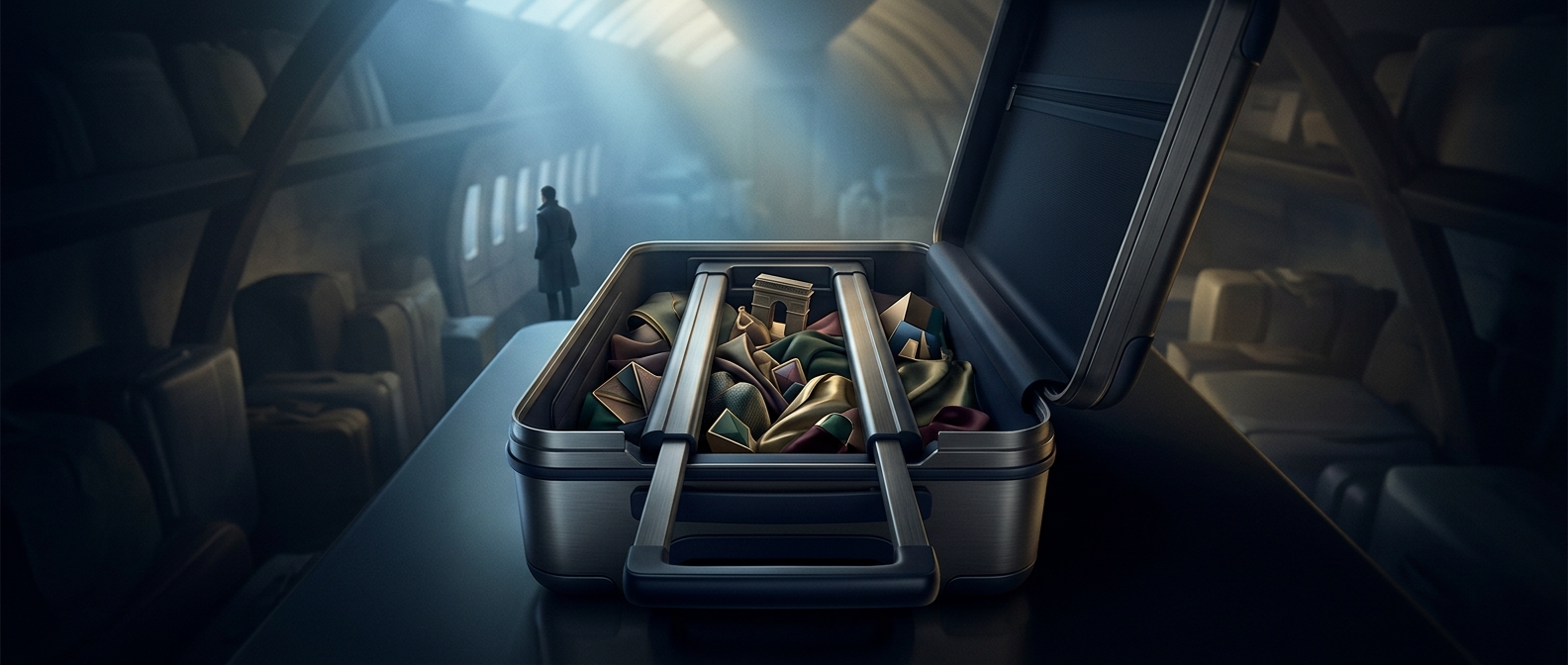
A suitcase’s telescoping handle needs more than the grip you pull from outside. Its two sliding poles extend down into the bag, where they connect to the frame and guide the handle as it moves. That hidden hardware occupies space along one side of the main compartment and can press into the packing area as raised channels.
The result is a less even surface. A folded shirt or pair of trousers may bridge the ridges instead of lying flat, leaving small pockets of unused space around the hardware. Soft clothes can bend around the contours, but rigid items and neatly stacked layers are harder to arrange.
The Tradeoff at the Bottom of the Bag
Putting the poles inside keeps the pull handle attached to the suitcase without requiring a bulky external frame. But that convenience shifts the cost inward: the handle’s structure competes with the compartment for room and makes the interior less uniform.
When packing, place items that tolerate an uneven base—such as shoes or a toiletry pouch—along the side where the poles run. Softer garments can fill the remaining gaps. The handle does not merely reduce capacity; it changes the shape of the space you have to pack.