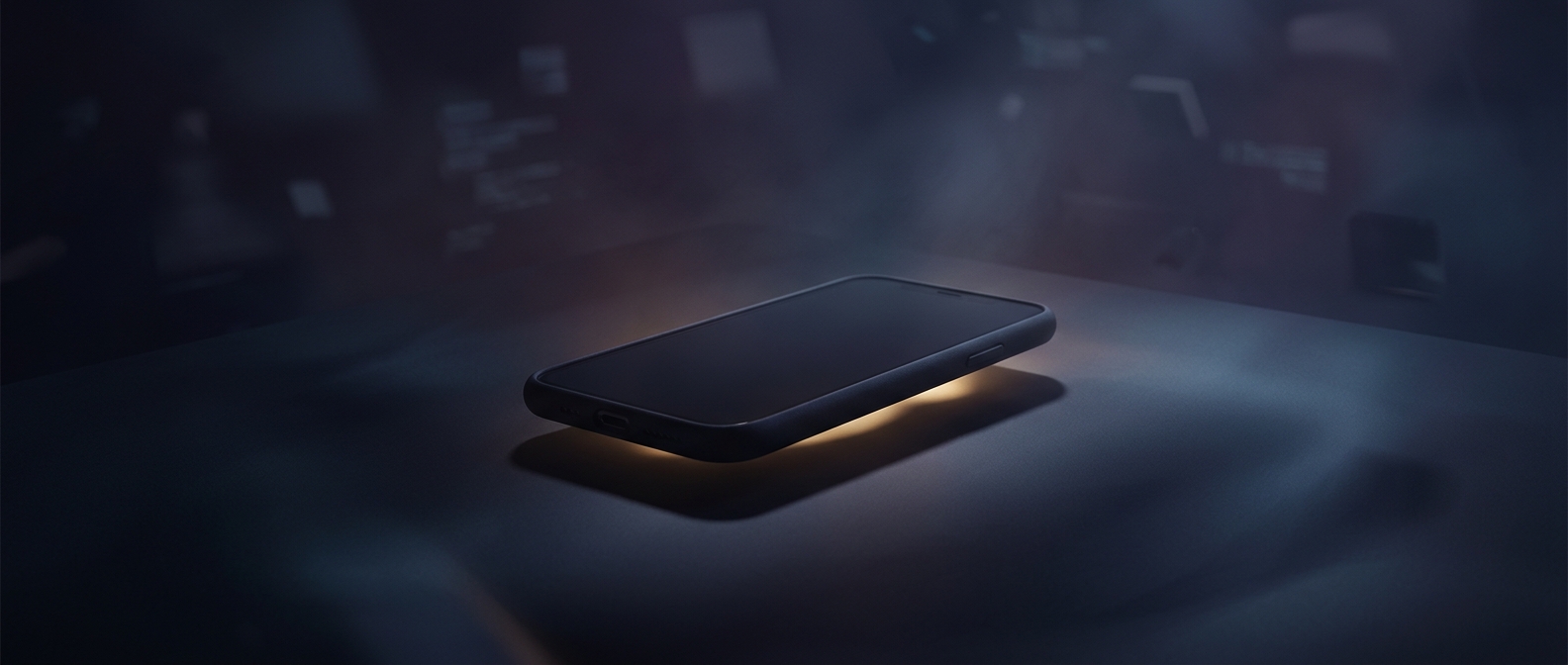
Turning the Phone Over Hides the Cue, Not the Count
A weekly screen-time alert turns a diffuse habit into a visible number. Until then, a person may remember checking messages or watching a few clips without adding those moments together. The report makes the accumulated time harder to ignore—and the phone itself can keep bringing that number, or the apps behind it, back to mind.
Placing the phone face down changes what is in view. The dark screen is less likely to catch the eye with a notification or tempt a quick check. It also hides the device’s most immediate reminder of the report. That small change can make it easier to put off thinking about the number, even though it does nothing to alter the recorded use.
Why Avoiding the Reminder Feels Easier
This is a form of everyday avoidance: when information might bring discomfort or prompt an unwanted decision, people may reduce contact with the cue. The alert can imply a question—whether to cut back, and how—before someone is ready to answer it. Turning the phone over offers a moment of relief without requiring a plan.
That relief is limited. The screen-time total remains, and the habit that produced it may continue unchanged. But the gesture is revealing: the phone is both the tool being measured and the object that delivers the measurement. A small turn of the wrist can hide the prompt, while leaving the underlying hours exactly where they are.