Why Esoteric Diagrams Resist a Steady Hand
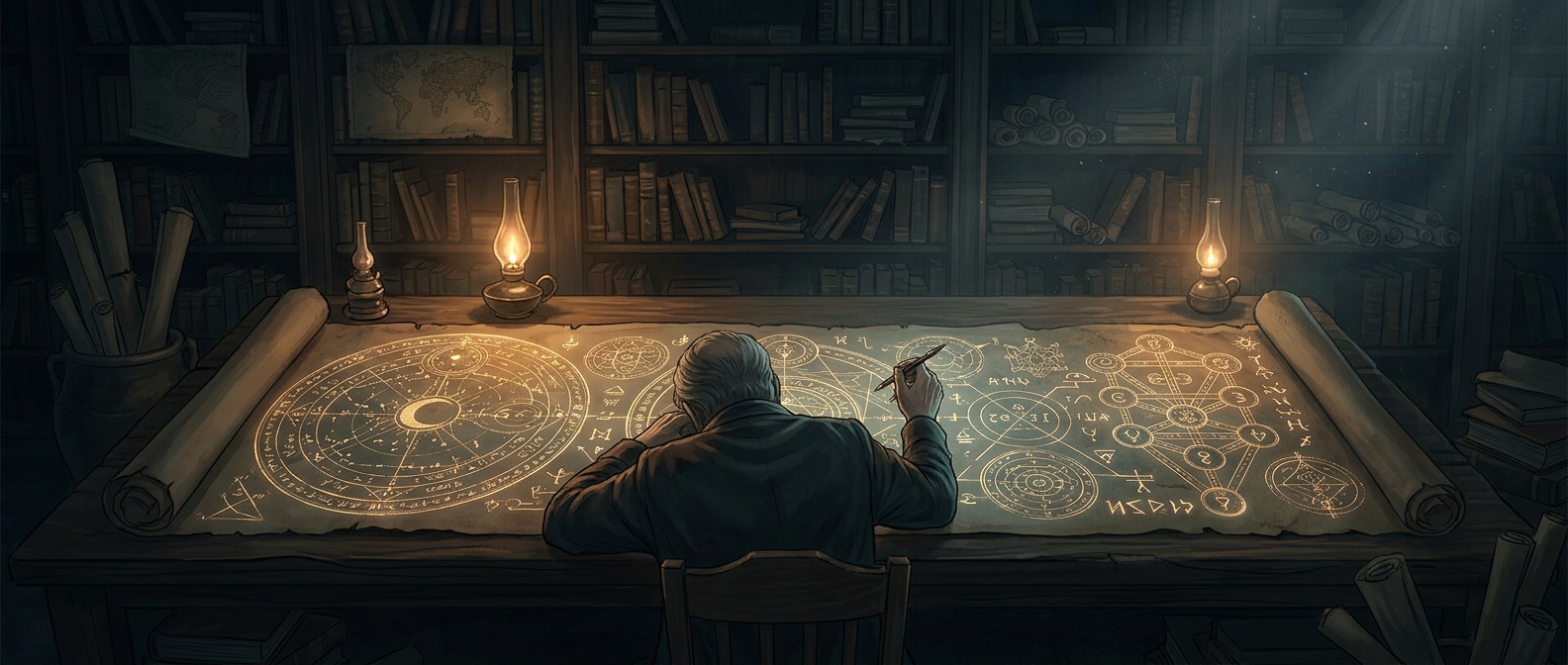
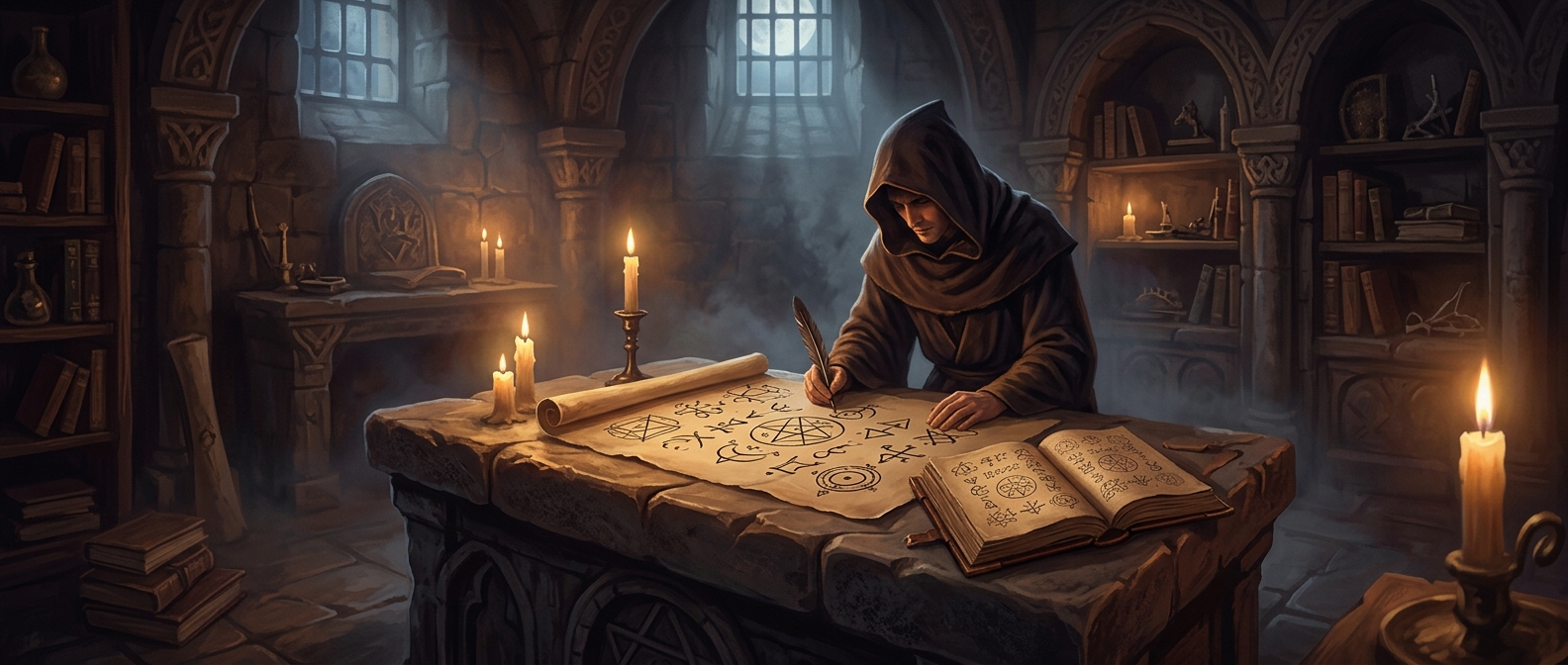
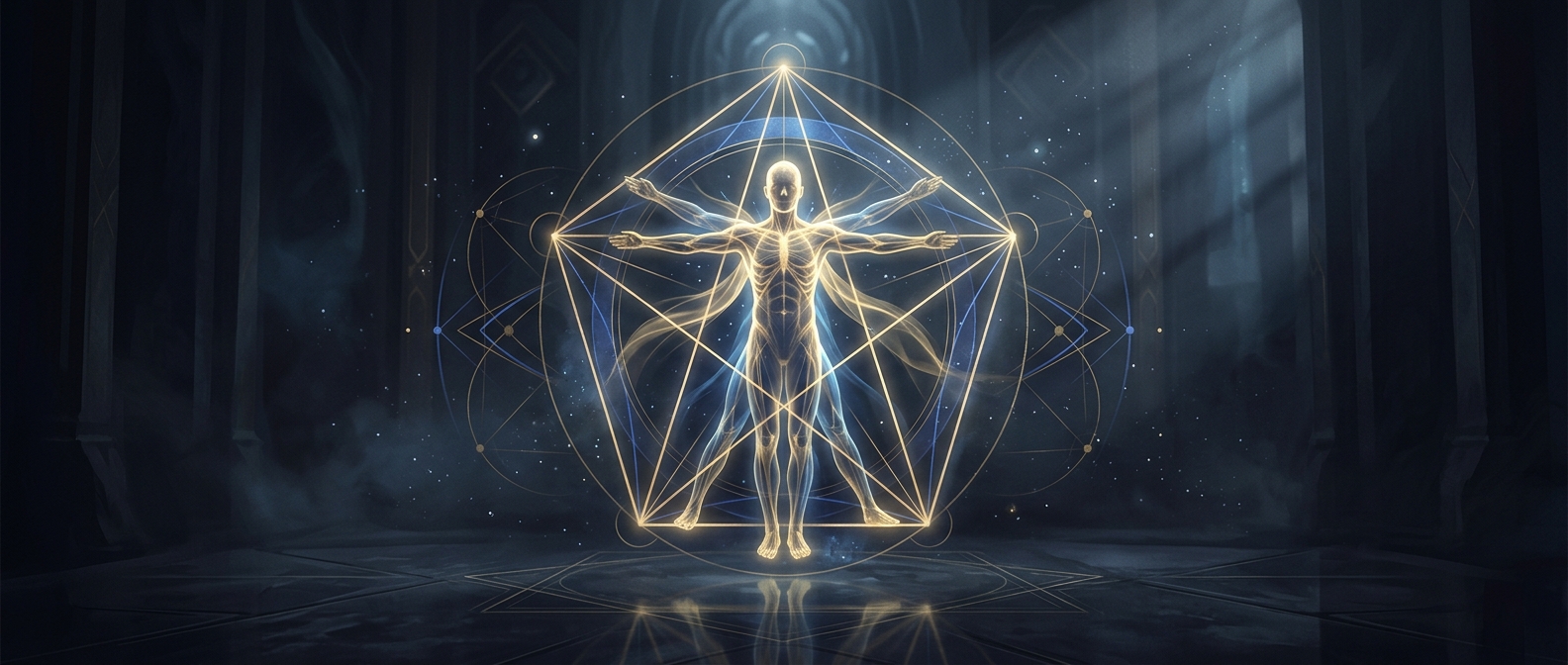
Many mystical diagrams are built from relationships among shapes, not just from recognizable symbols. A circle may need to sit precisely inside a square; lines may need to meet at a shared center; repeated forms may need to match in size and spacing. A small wobble can make the whole design feel off balance.
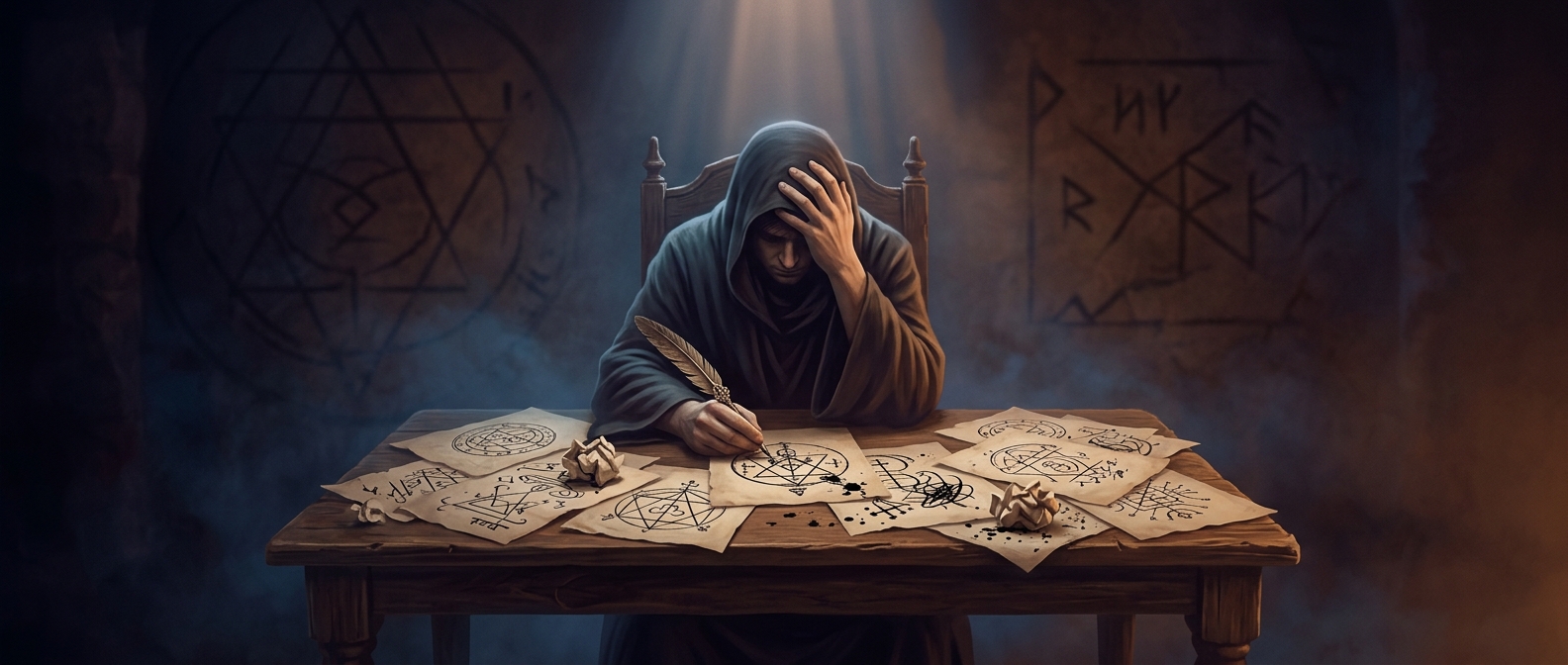
The difficulty is mechanical. A freehand circle depends on the hand tracing a curve around an imagined center, while a ruler-straight line still varies with grip and pressure. Add several intersecting shapes, and each slight error shifts the points where later lines are supposed to meet. The result may remain recognizable, but it no longer has the crisp symmetry the design calls for.
Why Drawing Aids Matter
For a diagram that must be geometrically exact, a compass, straightedge, or traced guide takes some of the burden off the artist’s hand. These tools hold a radius steady, keep edges straight, and make repeated elements match. The artist can then concentrate on placing the shapes and reproducing the design rather than trying to make every curve perfect by eye.
That precision is about the diagram’s appearance and construction—not proof of any supernatural effect. When a design is meant to look balanced and deliberate, even a tiny mismatch can stand out. That is why a supposedly ancient-looking symbol may need surprisingly practical help: a compass can do what a wrist cannot reliably repeat.