Why an Esoteric Diagram Can End Up Reversed
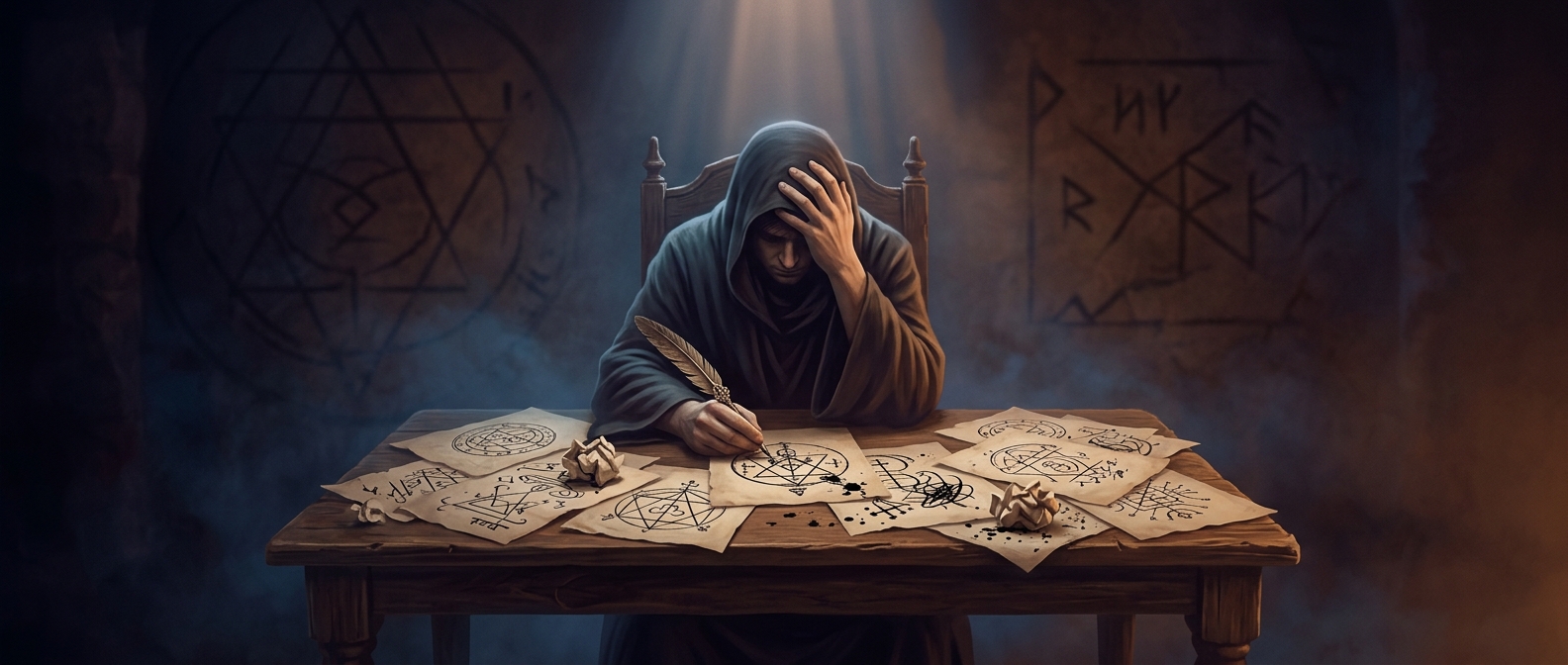
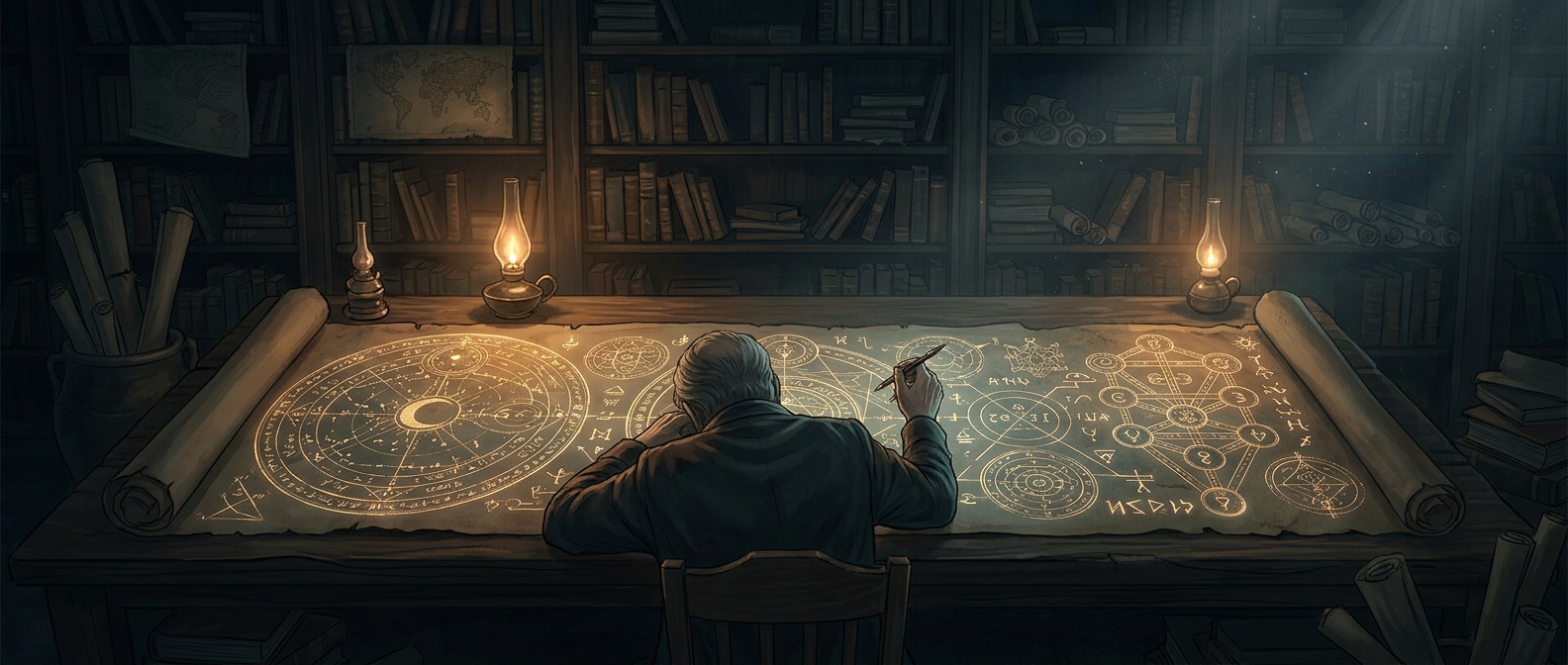
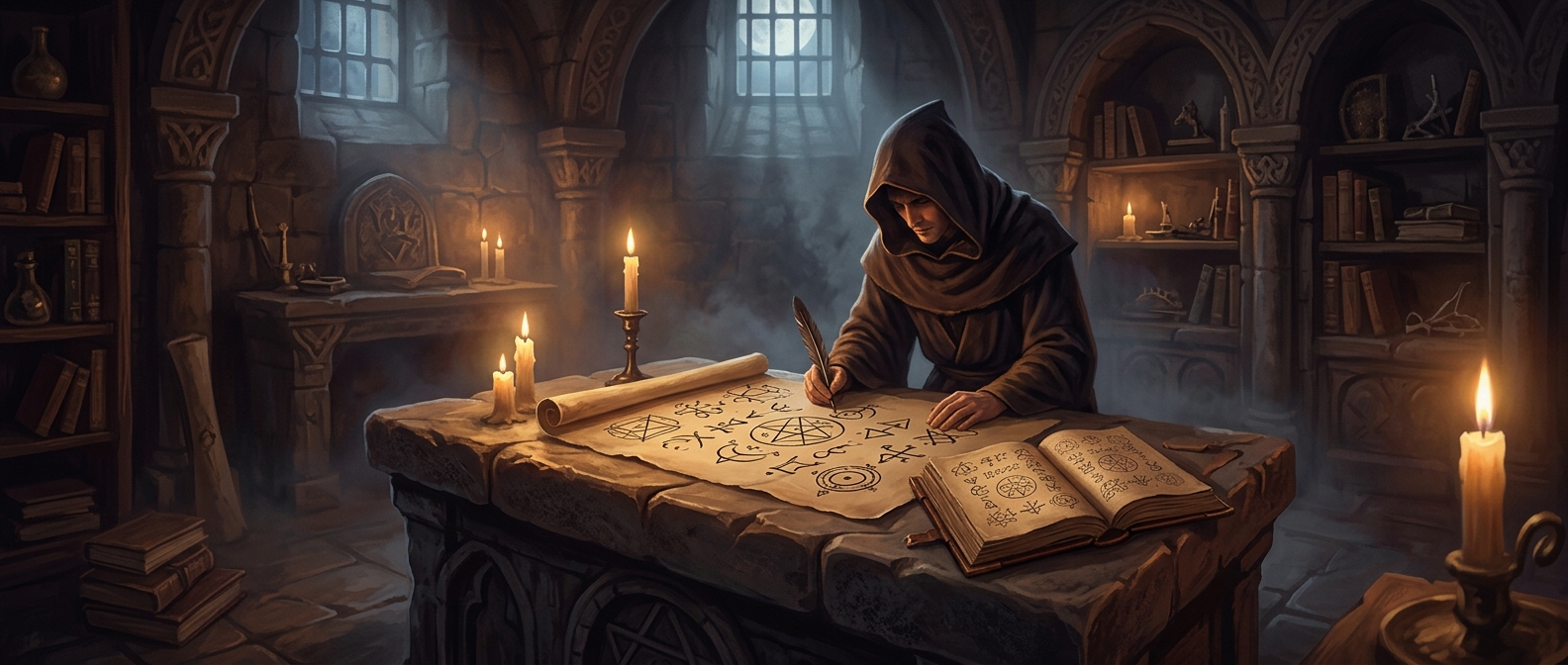
A complicated diagram is often built from small marks that look alike: a line with a hook, a crossed stroke, a circle joined to another shape. When someone copies the design one piece at a time, it is easy to preserve the parts but lose their orientation. A mark turned upside down may still look plausible, especially if it is nearly symmetrical or appears among many other symbols.
That makes direction more than a drawing detail. In traditions that use esoteric signs, a symbol’s position or orientation may be part of how a particular diagram is understood. But there is no single rule shared by every tradition: the meaning depends on the system and the specific design, not on a universal dictionary of shapes.
How Reversal Happens
The risk grows when a diagram is copied from a rotated page, a small image, or a drawing whose surrounding marks provide few visual clues. A reader may recognize the general shape and reproduce it from memory, then connect it to neighboring marks in the wrong direction. Once several similar forms are in place, the whole arrangement can appear coherent while still being reversed.
A practical safeguard is to compare the finished drawing with a reference in the same orientation, checking not only each symbol but also how its lines meet and where it sits in relation to the others. The surprising part is that a diagram can look complete and orderly while a tiny turn in one glyph changes how the whole pattern is read.