How headphone noise can leave a ringing behind
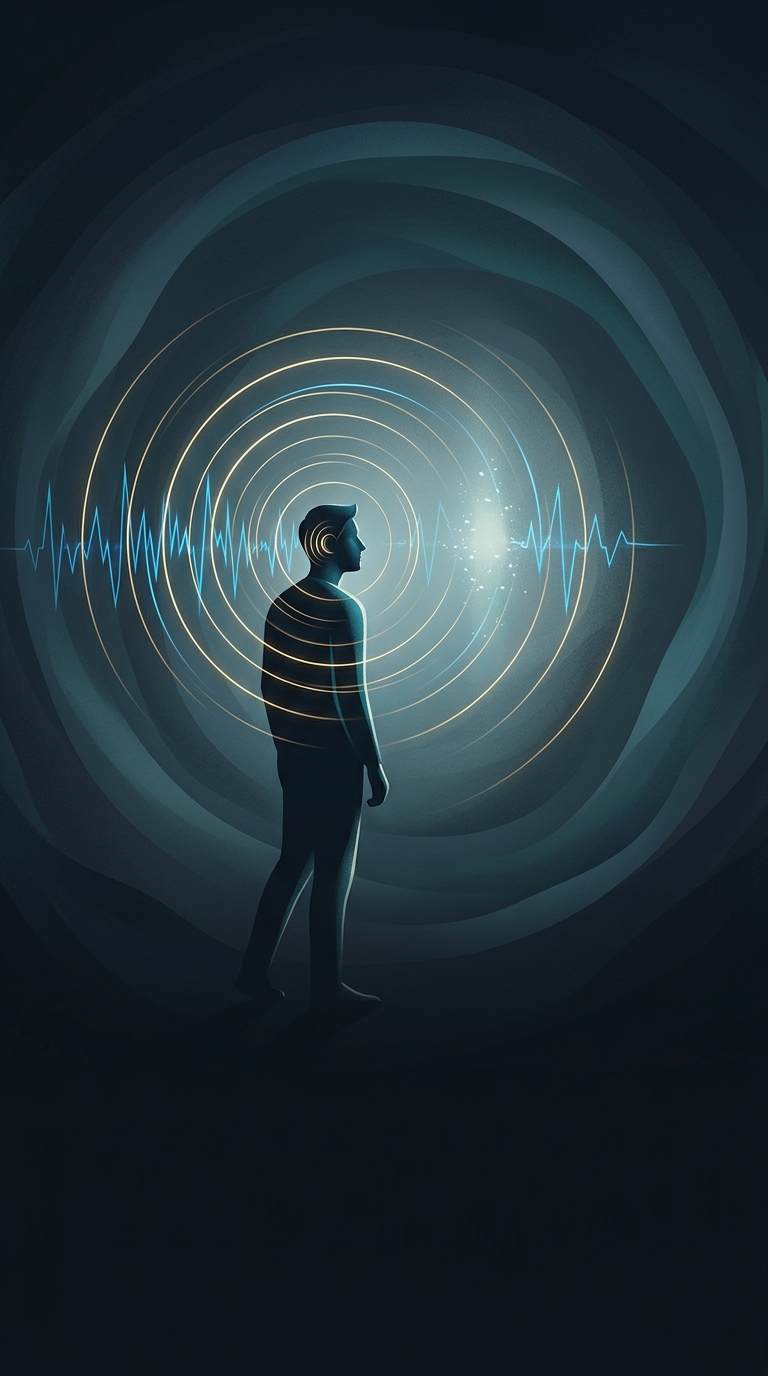
A common habit worth checking is listening through earbuds or headphones at a high volume, especially for long stretches. Sound waves make tiny sensory cells in the inner ear move. Loud sound can overwork or damage these cells; when they no longer send normal signals, the brain may perceive ringing or buzzing even without an outside sound. This is called tinnitus.
The risk comes from the sound reaching the ear, not from earbuds being inherently harmful. Volume, duration, and how often the ears get a break all matter. A loud setting in a noisy place can be particularly easy to underestimate because the music has to compete with the surroundings.
Why it stands out in a quiet room
Quiet does not necessarily create the ringing. It removes competing sounds, making an existing tinnitus sensation easier to notice. Stress can also make the sound feel more intrusive: when someone is tense and monitoring it, attention keeps returning to the ringing, which can make it harder to ignore. That does not mean stress or headphones explain every case; tinnitus can have other causes, including ear problems and some medications.
Turning the volume down and taking listening breaks reduces avoidable noise exposure. If ringing persists, is troubling, or comes with a sudden change in hearing, it is worth getting medical advice rather than assuming it is simply stress.