A lander built as a pressure vessel
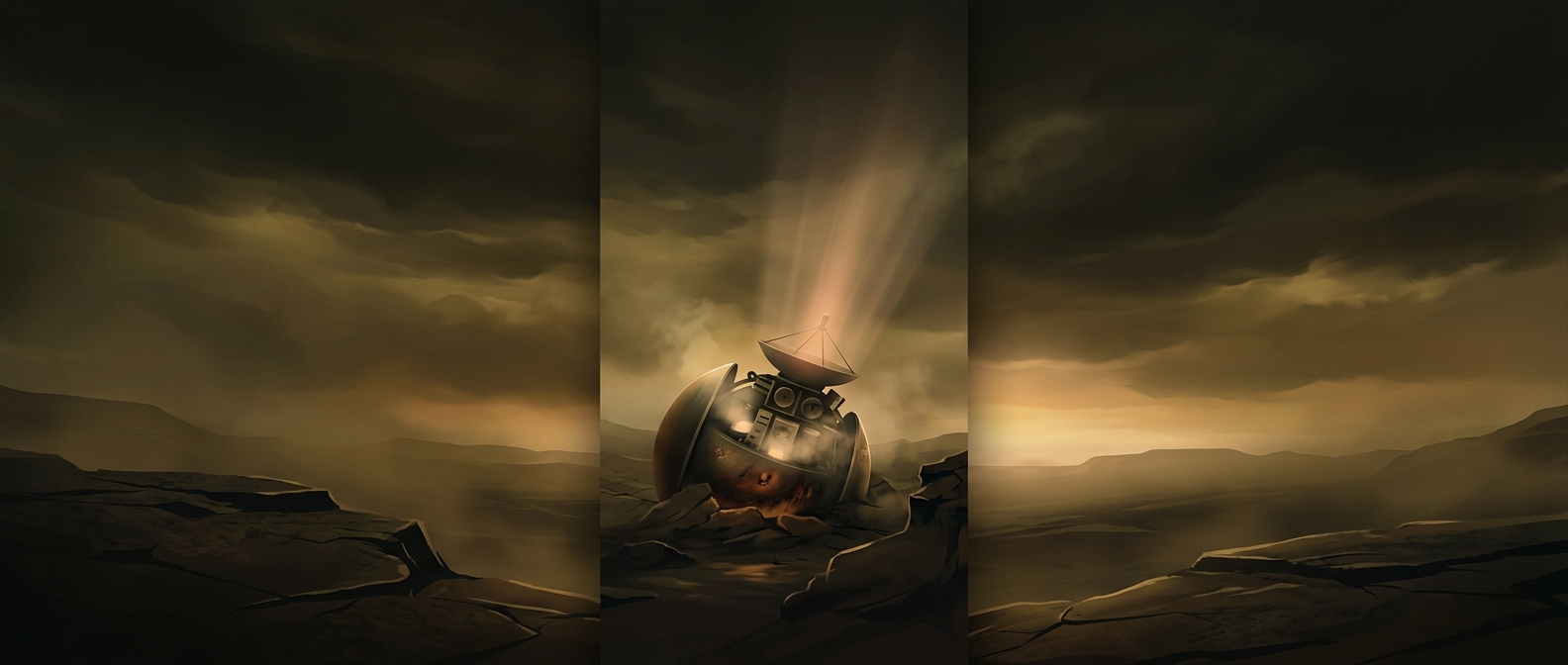
Venera 7 could not be an ordinary spacecraft with a few instruments exposed on the outside. Venus’s atmosphere presses down with roughly the force found deep underwater, while surface temperatures are hot enough to rapidly disable conventional electronics. The Soviet lander therefore put its radio equipment and instruments inside a compact, heavily reinforced pressure vessel.
That shell solved one problem but made others harder. Thick walls added weight, and the sealed interior trapped heat. Engineers had to protect the electronics during descent and landing, then keep them working long enough to send measurements back through the atmosphere.
The descent was part of the design
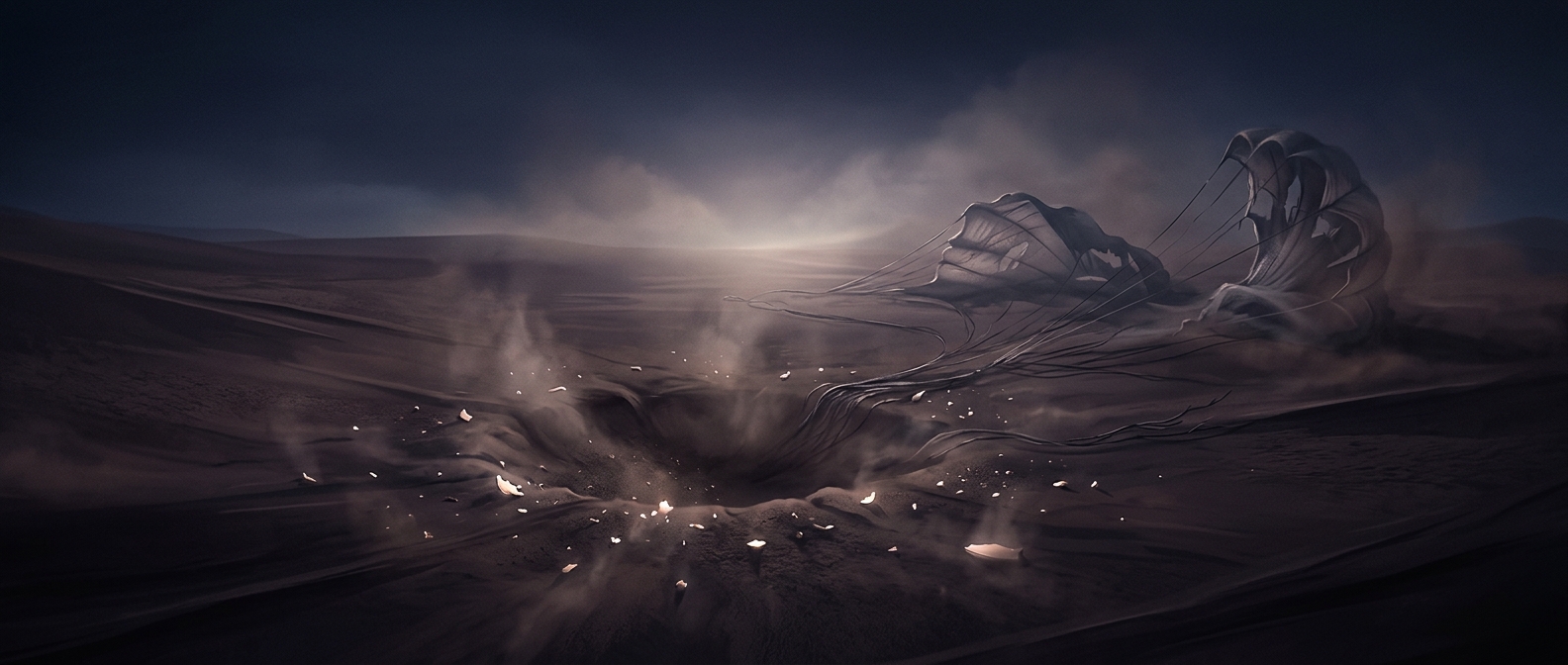
A lander must survive more than the instant it touches ground. Venera 7 had to slow through Venus’s dense atmosphere, endure the intense heat and pressure, and arrive with its communications system still functioning. Its parachute helped control the descent; the pressure-resistant capsule protected the equipment as conditions grew more extreme closer to the surface.
The tradeoff was stark: more protection improved the odds of survival, but every added layer made the craft heavier and left less room for instruments and other systems. Venera 7 was designed around a limited window of operation, not a long-lived station.
A fragile signal, a lasting milestone
After touchdown on December 15, 1970, the lander sent back data from the surface. The signal was weak, but it carried the crucial news that a spacecraft had survived landing on another planet and was transmitting from there.
That achievement changed what planetary exploration could attempt. Venera 7 showed that a probe did not have to stop being useful at the boundary of an alien world: with its most vulnerable equipment enclosed in a carefully engineered capsule, it could cross that boundary and report what it found below.