How Juno weighs a planet it cannot enter
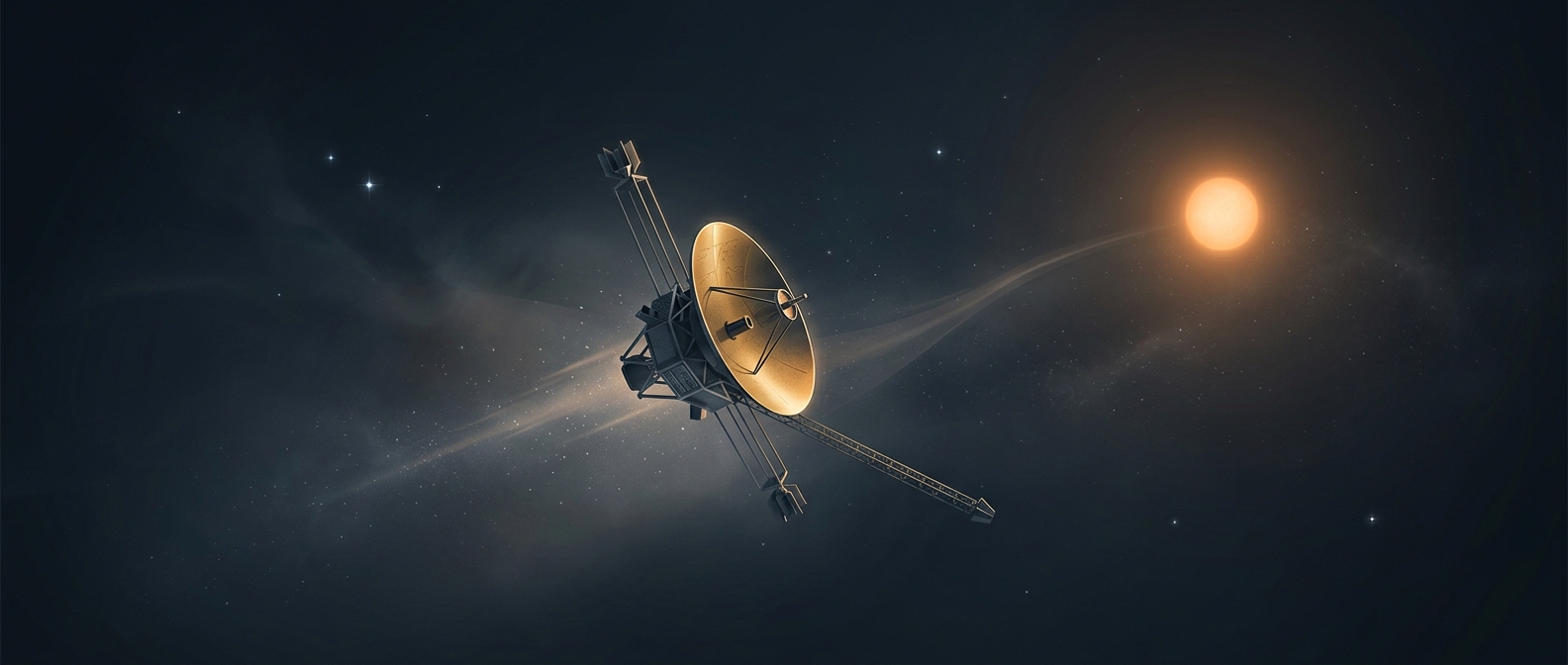
Jupiter’s clouds hide the layers beneath them, but those layers tug on passing spacecraft. Juno follows a long, looping orbit that brings it close to the planet. As it passes over regions with slightly different distributions of mass, Jupiter’s gravity gives the probe tiny accelerations.
Those movements are tracked from Earth through changes in the spacecraft’s radio signal. A shift in the signal’s frequency reveals how Juno is moving toward or away from us. Scientists use the resulting pattern to map variations in Jupiter’s gravity field. They then compare that map with models of how the planet’s interior could be arranged. The gravity data do not produce a direct picture; they help narrow down possibilities, including how concentrated or spread out the planet’s heavy elements are.
Listening to heat beneath the clouds
Juno’s microwave radiometer provides a different kind of clue. It detects natural microwave energy emitted by Jupiter, which carries information about temperature and the abundance of substances such as ammonia at different depths. Microwaves can emerge from below the visible cloud tops, so the instrument samples atmospheric layers that ordinary images cannot show.
Together, the measurements connect what happens near the cloud tops with the planet’s deeper structure. The result is not a photograph of Jupiter’s interior, but a set of constraints on its hidden composition and layering—evidence gathered by measuring how the planet’s unseen mass and atmosphere affect a spacecraft passing overhead.