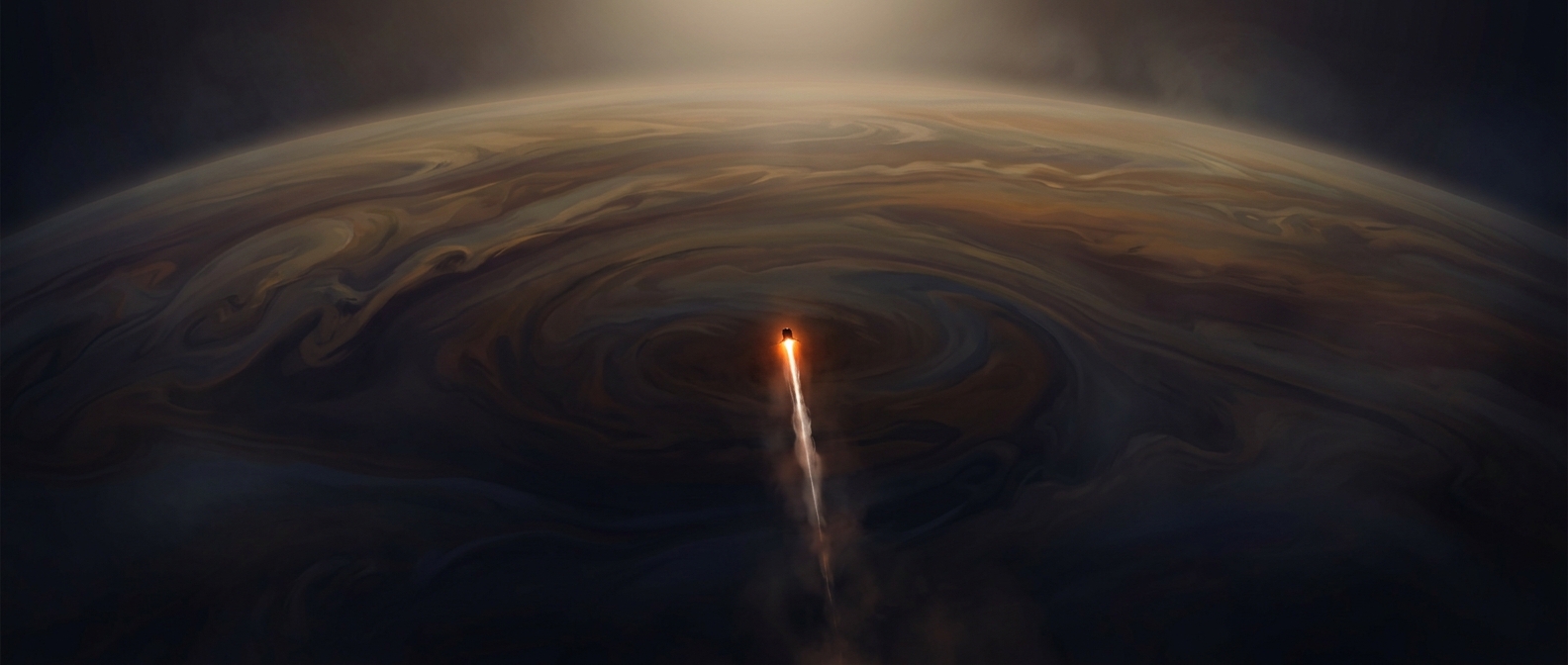
Why Galileo’s mission ended inside Jupiter
A spacecraft does not need to be headed for a moon to threaten it. Over time, the gravity of Jupiter and its moons can reshape an orbit, creating a chance that an aging probe might eventually strike Europa. That mattered because Europa’s ice-covered surface may conceal an ocean, making it a place scientists want to study without introducing Earth microbes.
Galileo had spent years exploring the Jupiter system, but by the end of its mission its remaining propellant could no longer support the precise course changes needed to keep its future path predictable. Leaving it in orbit would have meant accepting a small but avoidable risk to Europa.
Jupiter became the safer endpoint
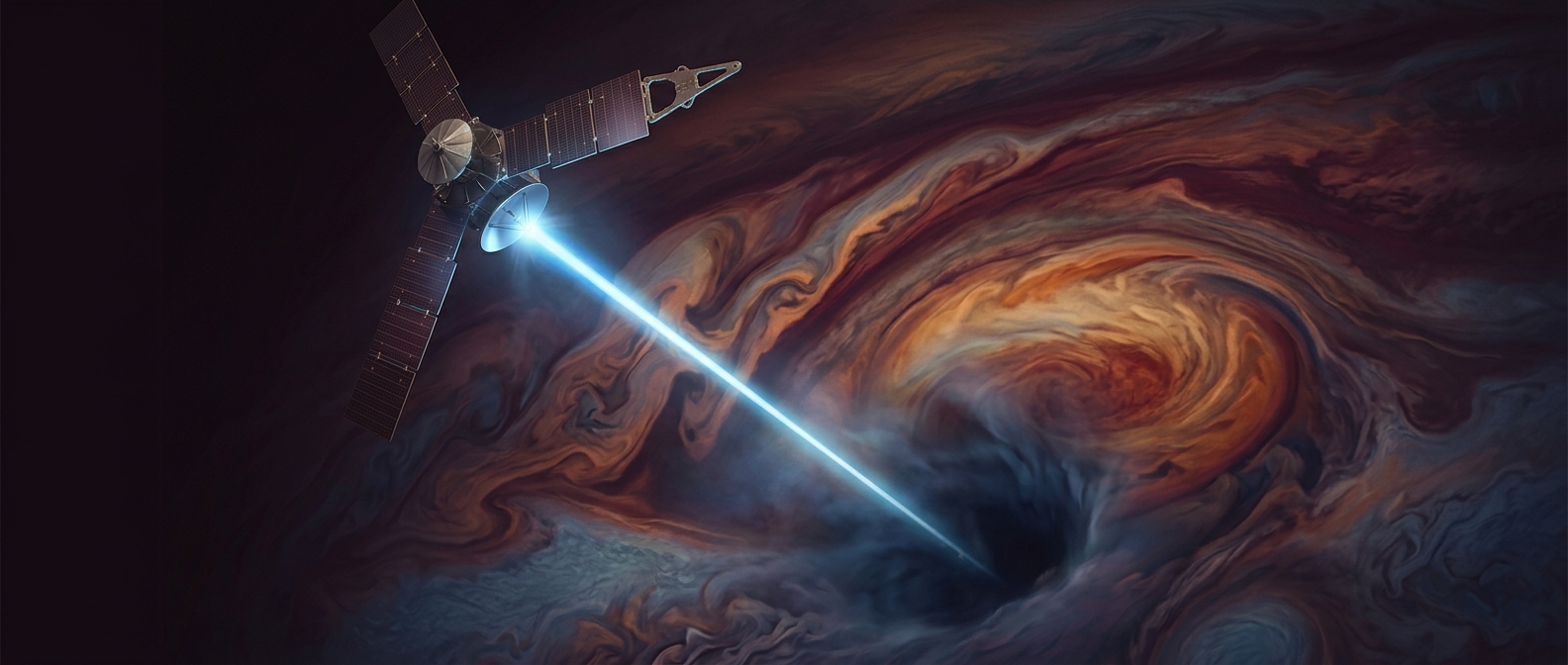
Mission planners directed Galileo into Jupiter’s atmosphere, where the spacecraft would be destroyed rather than remain in an orbit that could later cross Europa’s. This was a form of planetary protection: reducing the chance that a spacecraft carries Earth life to a world where it could complicate future searches for life.
Jupiter has no solid surface for a probe to hit. Instead, Galileo plunged into increasingly dense gas, where pressure and heat overwhelmed it. The deliberate plunge ended the mission in a way that also closed off the possibility of the spacecraft becoming an uncontrolled visitor to Europa.