A small switch made a sample-return capsule miss its soft landing
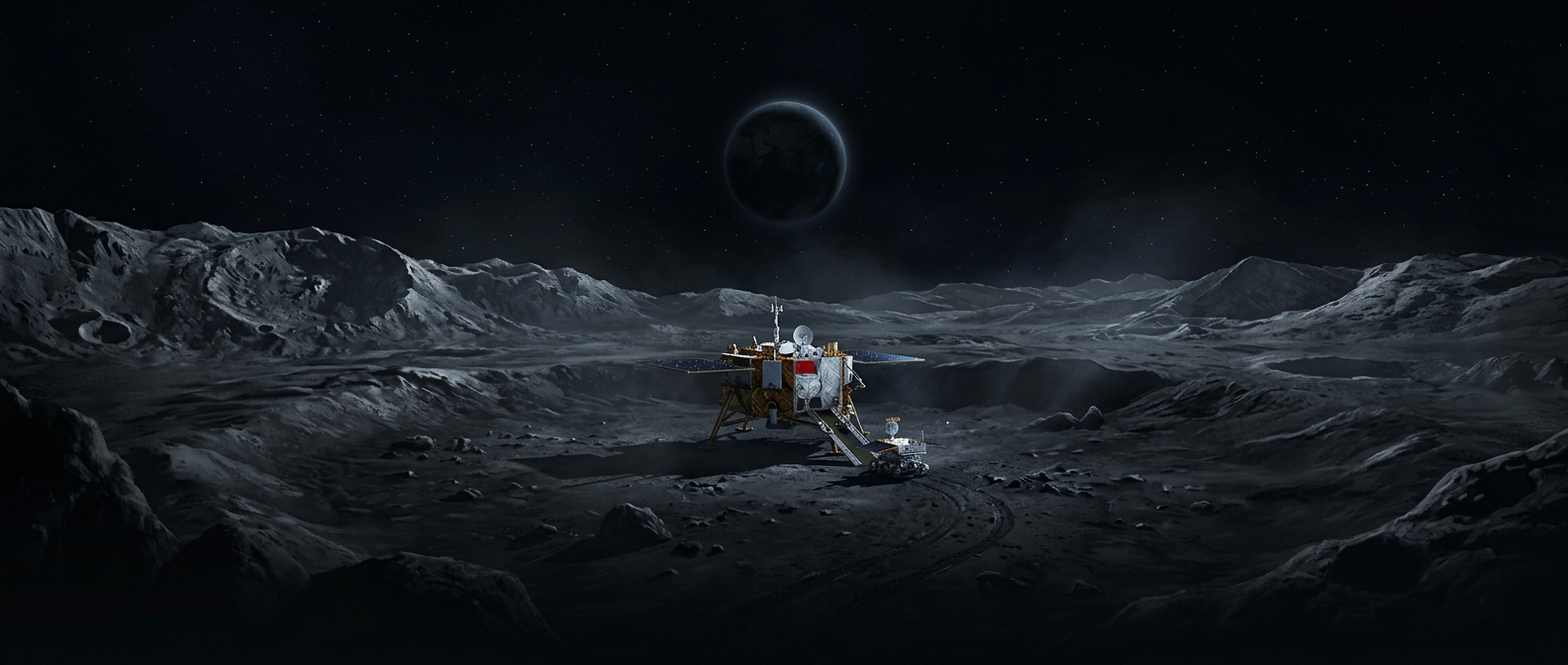
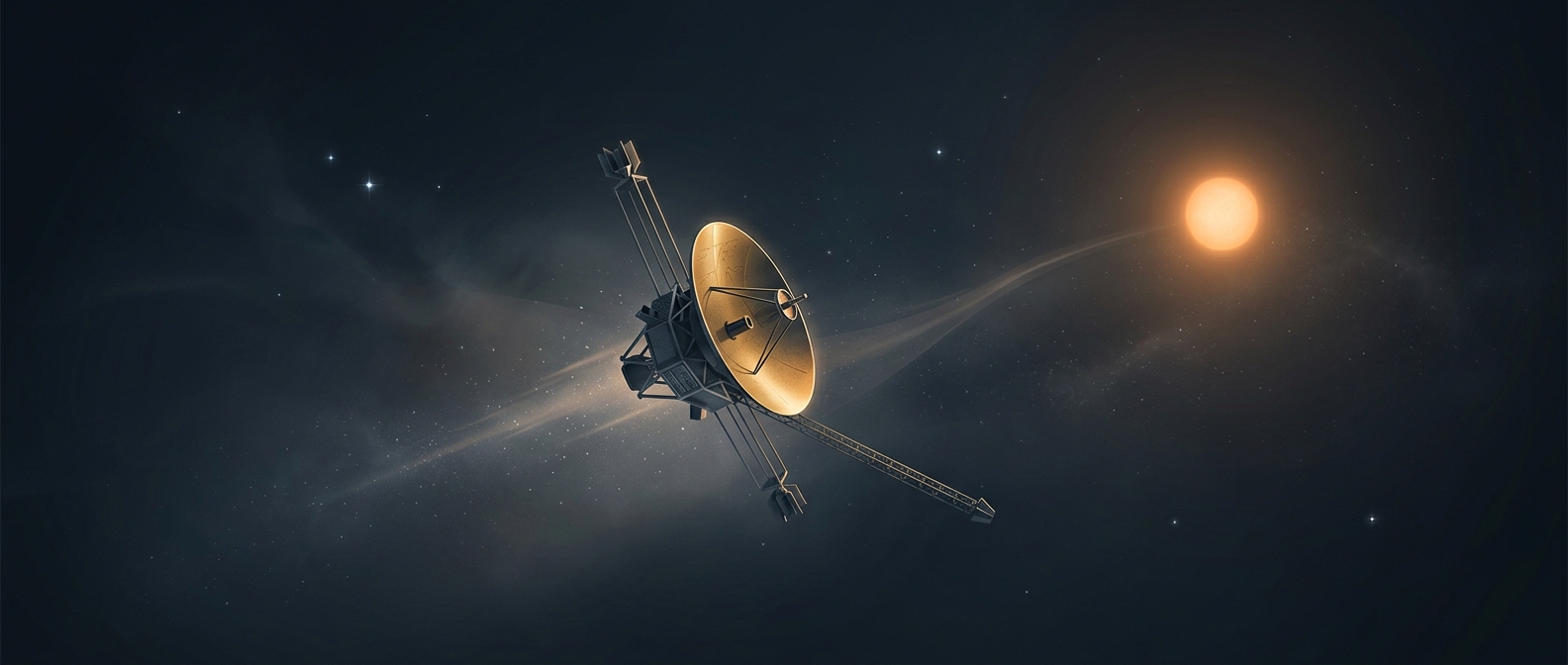
Genesis was designed to bring back material from the solar wind—the stream of charged particles flowing outward from the Sun. Its collectors had to stay exceptionally clean, so the mission gathered the particles in space and sealed the collectors inside a capsule for the trip home. The capsule then needed to slow down safely before reaching the ground.
Why the parachutes stayed packed
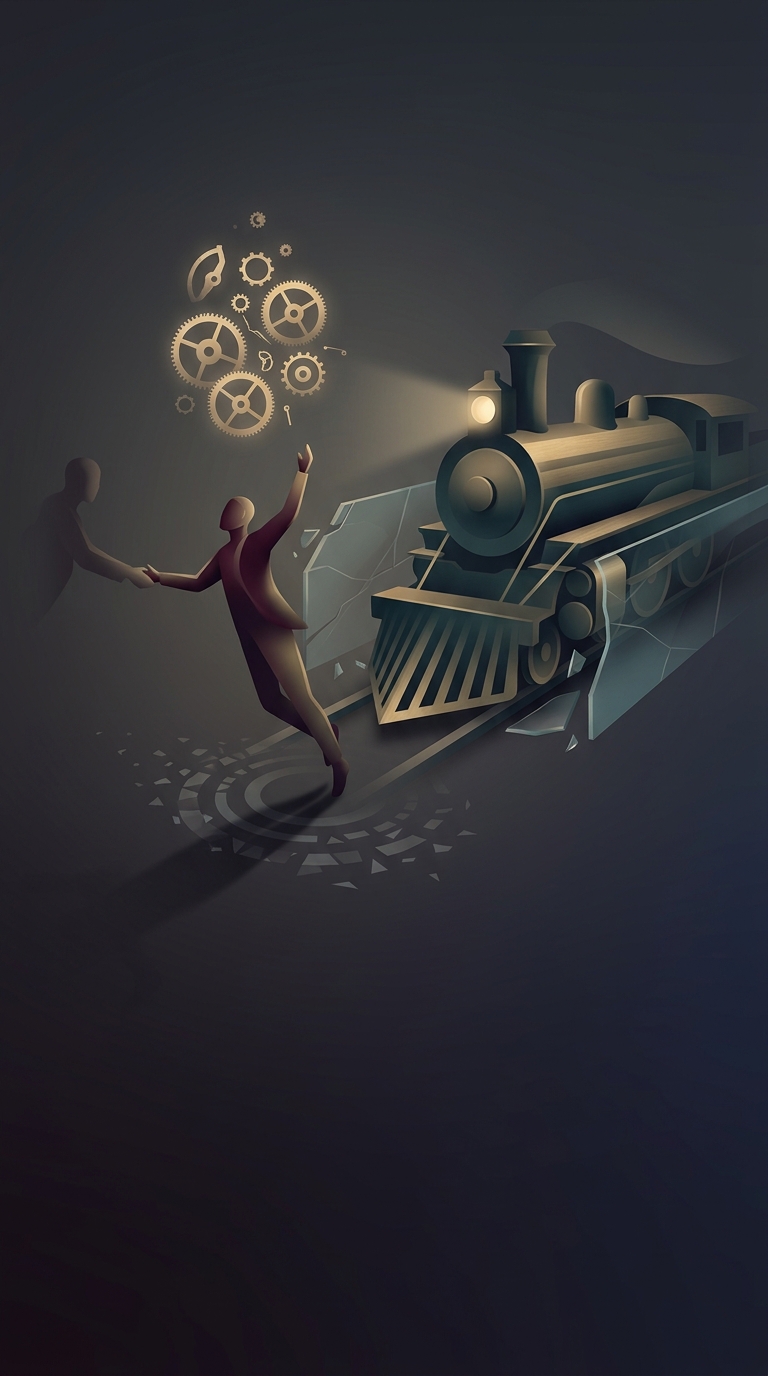
A deceleration switch is meant to recognize the strong change in motion as a returning capsule plunges into the atmosphere. That signal can start the parachute sequence, reducing the capsule’s speed for recovery. In Genesis, the switch had been installed backward. It therefore failed to register the deceleration that should have triggered the parachutes.
Without them, the capsule struck the ground hard instead of descending gently. The failure was not in the collectors’ ability to capture solar particles; it was in the chain of hardware meant to deliver them safely back to Earth.
A damaged capsule, but not a lost mission
The impact broke the capsule and damaged many of the fragile collector pieces. Yet some material could still be recovered and examined. That mattered because the particles were present in tiny amounts, and keeping them free of terrestrial contamination was essential to studying them.
Genesis became a stark example of how a single installation error can defeat an otherwise elaborate return system. The samples survived not because the landing worked, but because enough of the carefully collected material remained accessible after the crash.