How radar coverage becomes a handoff
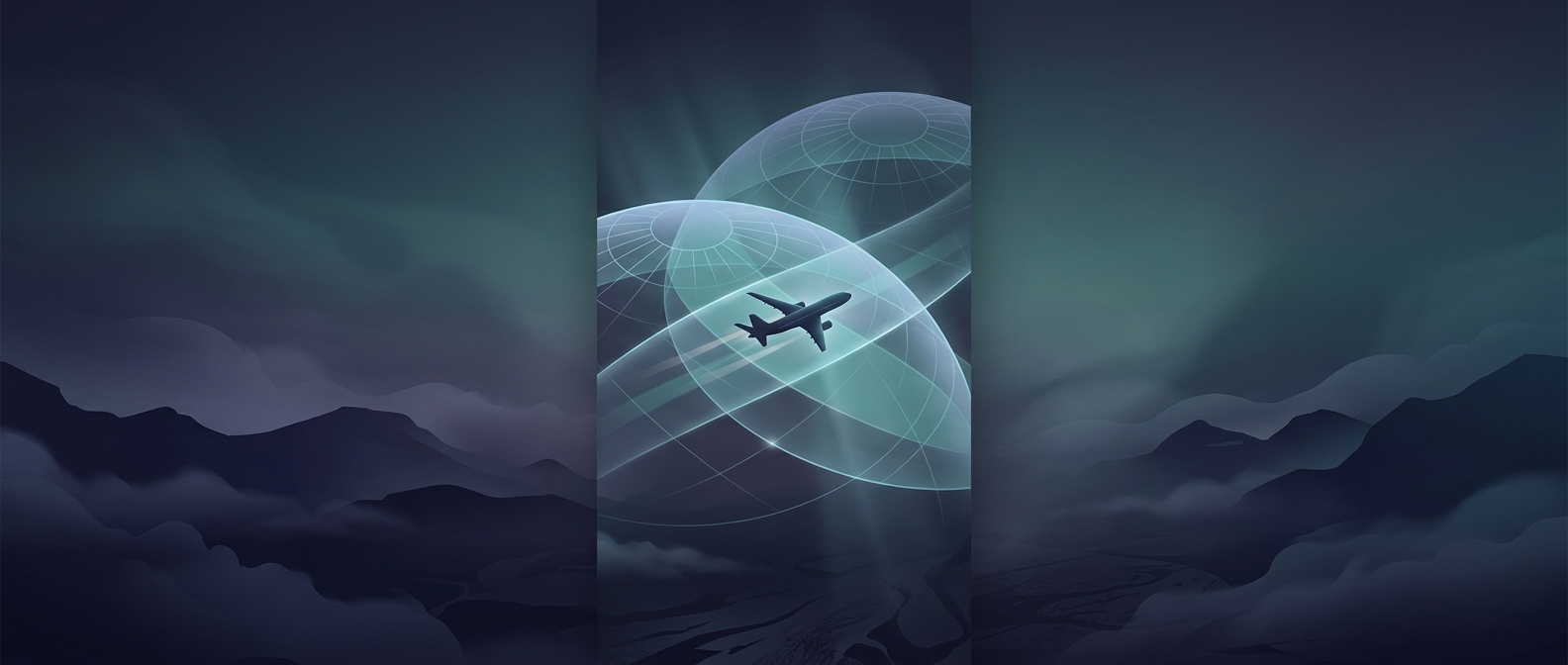
An aircraft does not usually fly from one controller’s radar screen to another’s in a single jump. Ground-based radar stations scan the sky and send position information to air-traffic facilities, where controllers use it to monitor flights. Because the stations’ coverage overlaps, a plane can appear in more than one area at once. That overlap gives controllers time to coordinate a transfer instead of waiting until the aircraft disappears from one screen.
The controller passes responsibility, not the aircraft
As a flight approaches the edge of a controller’s assigned airspace, the current controller coordinates with the next sector. The receiving controller gets the flight’s identifying information, altitude, route, and other details needed to keep it separated from nearby traffic. The pilot is then told which controller or frequency to contact. Once the pilot checks in, the receiving controller takes over; the first controller can release the flight.
This is why the relay analogy is useful, but the “baton” is a package of responsibility and information—not a radar blip being physically passed along. The aircraft continues on its route while the people managing it change.
Why the overlap matters
Radar signals do not cover every altitude and location equally. Terrain, distance, and the height of an aircraft affect whether a station can detect it. Overlapping coverage helps bridge those limits and gives controllers a margin to arrange a clean handoff before contact with the current sector is lost.
Radar is not the only way controllers can track aircraft: some systems also use position reports transmitted by aircraft equipment and relayed through ground networks. But whatever the tracking method, the operational challenge remains the same: the next controller must have the flight’s information and be ready before the previous controller’s responsibility ends.