Why removing a frequency might matter
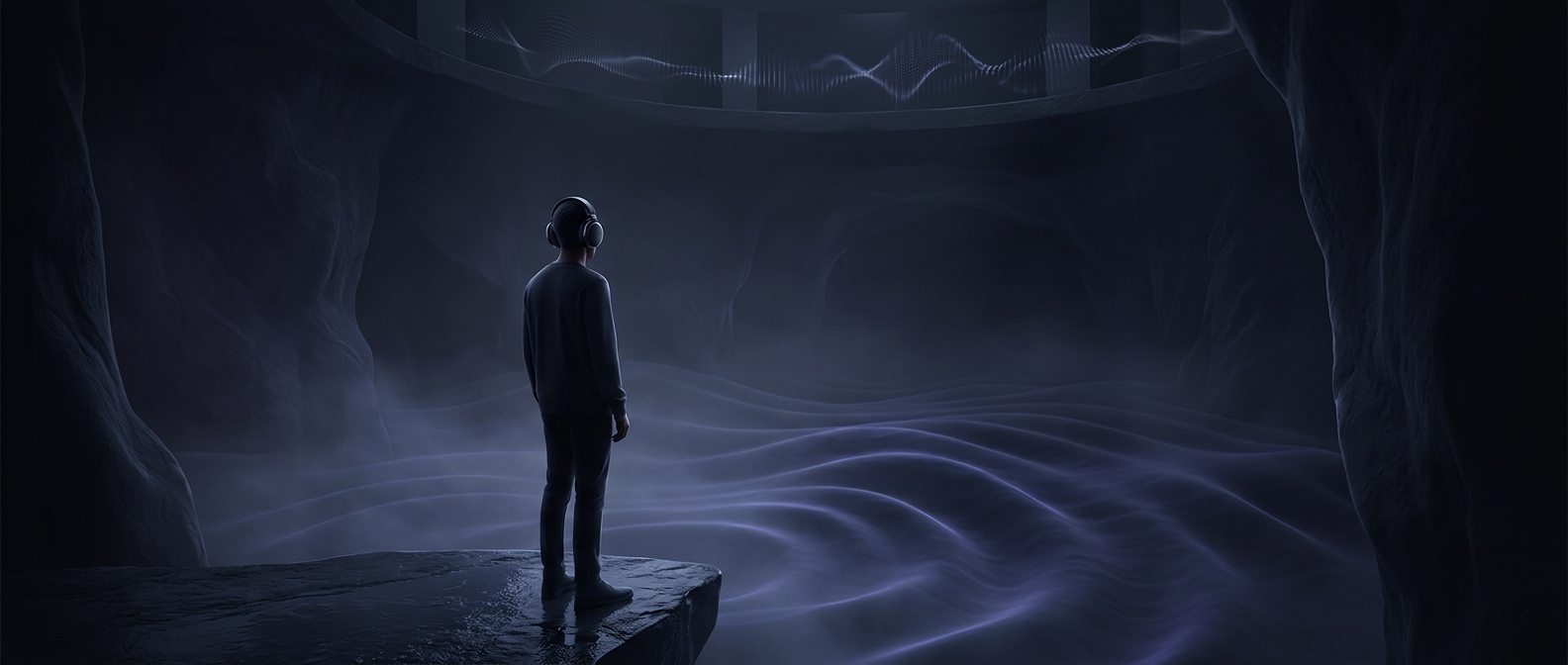
Some tinnitus sound programs are built around the pitch a person hears. A clinician or sound-therapy provider first estimates that pitch, then adjusts music or another sound so a narrow band of frequencies around it is quieter or absent. This is sometimes called notched sound: the “notch” is the gap in the audio.
The idea is not simply to cover the tinnitus with louder sound. Instead, the changed sound gives the auditory system a different pattern to process. Researchers and clinicians have explored whether repeated listening can influence how the brain responds to activity associated with the tinnitus pitch. The hoped-for result is less prominence—not a guaranteed deletion of the sound.
From noticing to habituating
Tinnitus can become especially intrusive when the brain treats it as a signal that demands attention. A sound therapy may provide a steady, relatively undemanding listening experience while the tinnitus is present. With repetition, some people may become less alert to the sound and less bothered by it. This process is called habituation: the brain’s response to a persistent signal diminishes when it no longer seems important.
That differs from masking, in which an external sound temporarily makes tinnitus harder to hear. A notched track may not hide the tinnitus at all; its proposed purpose is to shape listening over time. The distinction matters because the expected change may be in attention and distress, not in whether the tinnitus can still be detected.
A tailored approach, not a universal setting
The notch has to be matched to the individual’s perceived tinnitus pitch, and the approach does not work the same way for everyone. Tinnitus can also have different causes and patterns, so a customized audio track is not a general cure. Its most meaningful effect, when it helps, may be that a once-dominant sound becomes easier to leave in the background while a person listens, rests, or concentrates.