Caffeine turns up alertness by blocking a fatigue signal
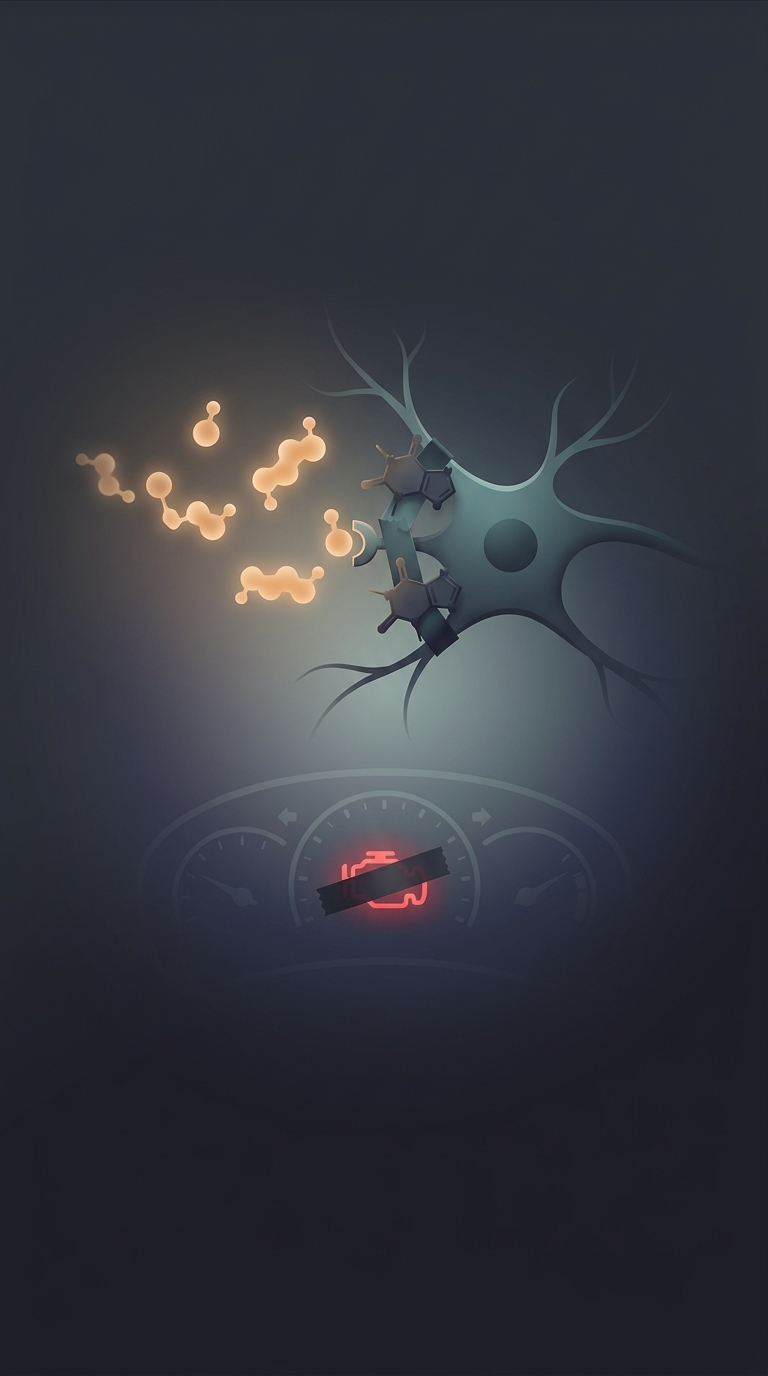
As the day goes on, the brain accumulates adenosine, a chemical that helps create the feeling of sleepiness. Caffeine temporarily blocks some of adenosine’s docking sites, so that fatigue signal has less effect. The result can feel like a sudden boost in energy, focus, or motivation—but caffeine does not replace sleep or erase the body’s need for it.
The same stimulation can also make the heart beat faster and increase physical arousal. For someone already keyed up, those sensations—such as a racing pulse, restlessness, or trembling—can be read as signs of danger. That interpretation can intensify fear, creating a feedback loop that may contribute to panic symptoms. Caffeine does not cause a panic attack in everyone, and panic can have other triggers.
The same cup is not the same dose—or the same experience
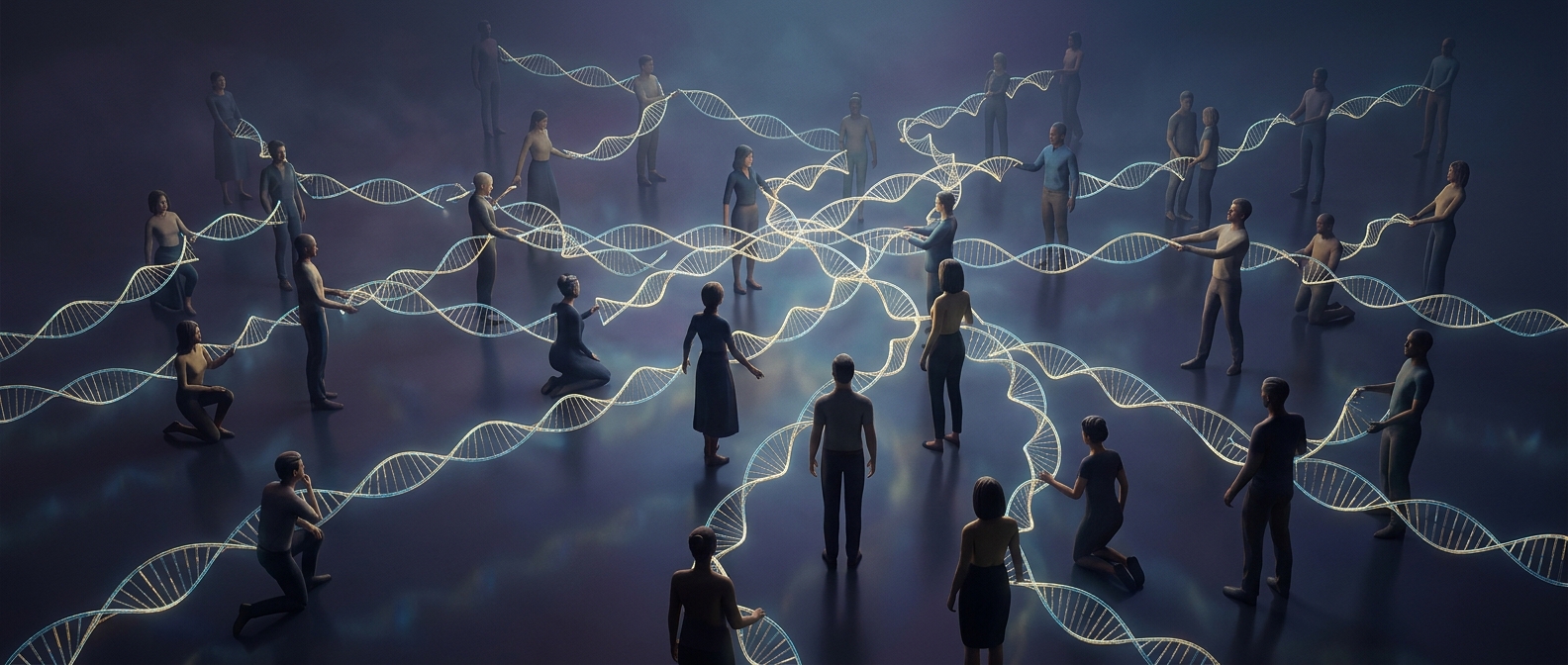
An espresso’s caffeine content varies, and people differ in how quickly they absorb and break it down. Genetics, medications, pregnancy, and other factors can affect how long caffeine stays in the body. Regular use also tends to build tolerance: the brain adapts to frequent caffeine, so the same amount may feel less powerful than it does to an occasional drinker. After cutting back, withdrawal can temporarily bring headaches and fatigue.
Sleep, food, stress, and other stimulants matter too. Caffeine taken late can linger into bedtime, and lost sleep can make the next day’s alertness and anxiety harder to manage. Someone who feels shaky may therefore be responding not just to the espresso, but to its dose, timing, and the state their body was already in. Reducing the amount or choosing an earlier, lower-caffeine drink can help reveal whether caffeine is contributing.