Violet Jessop’s three encounters with disaster
Violet Jessop was working aboard the White Star Line’s Olympic-class ships when a remarkable sequence of emergencies unfolded. In 1911, she was a stewardess on the Olympic when it collided with the British warship HMS Hawke. The liner was damaged but stayed afloat, and Jessop continued her work at sea.
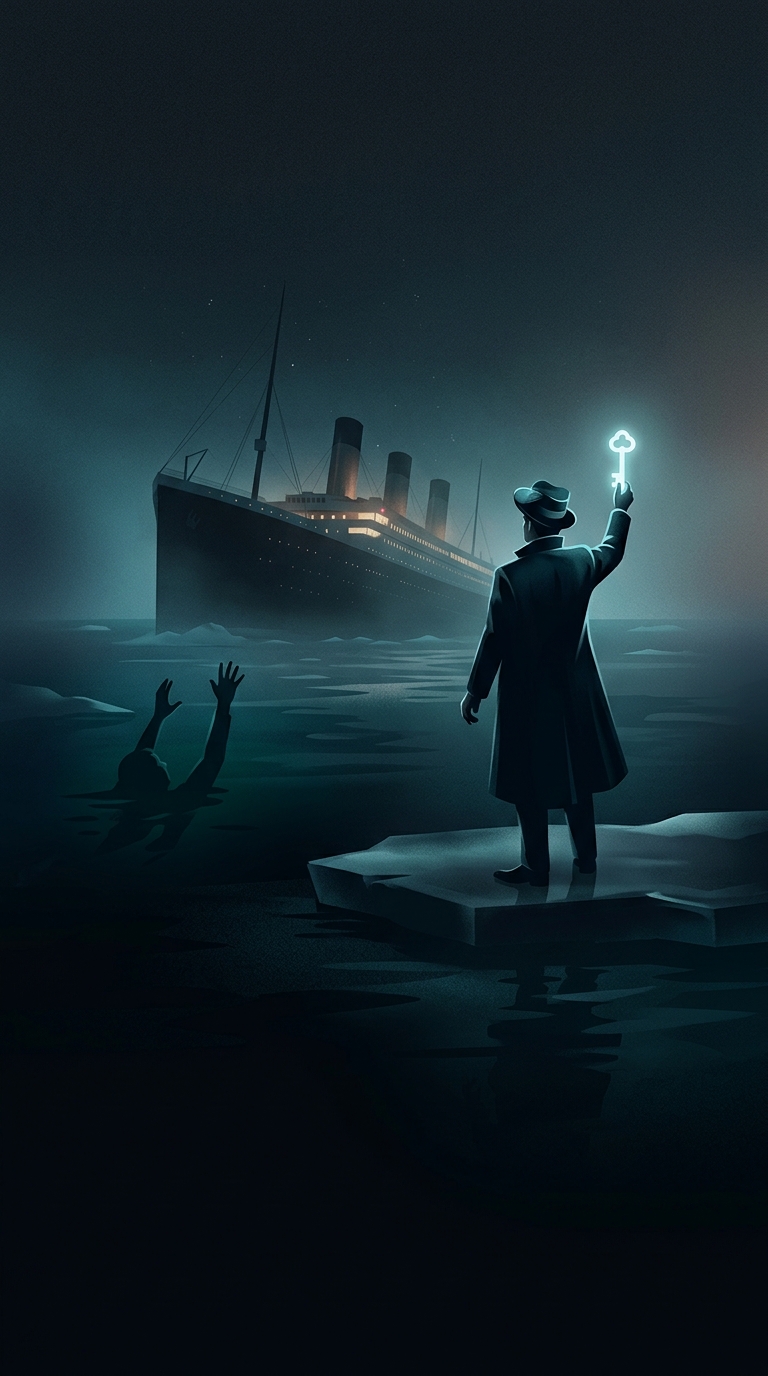
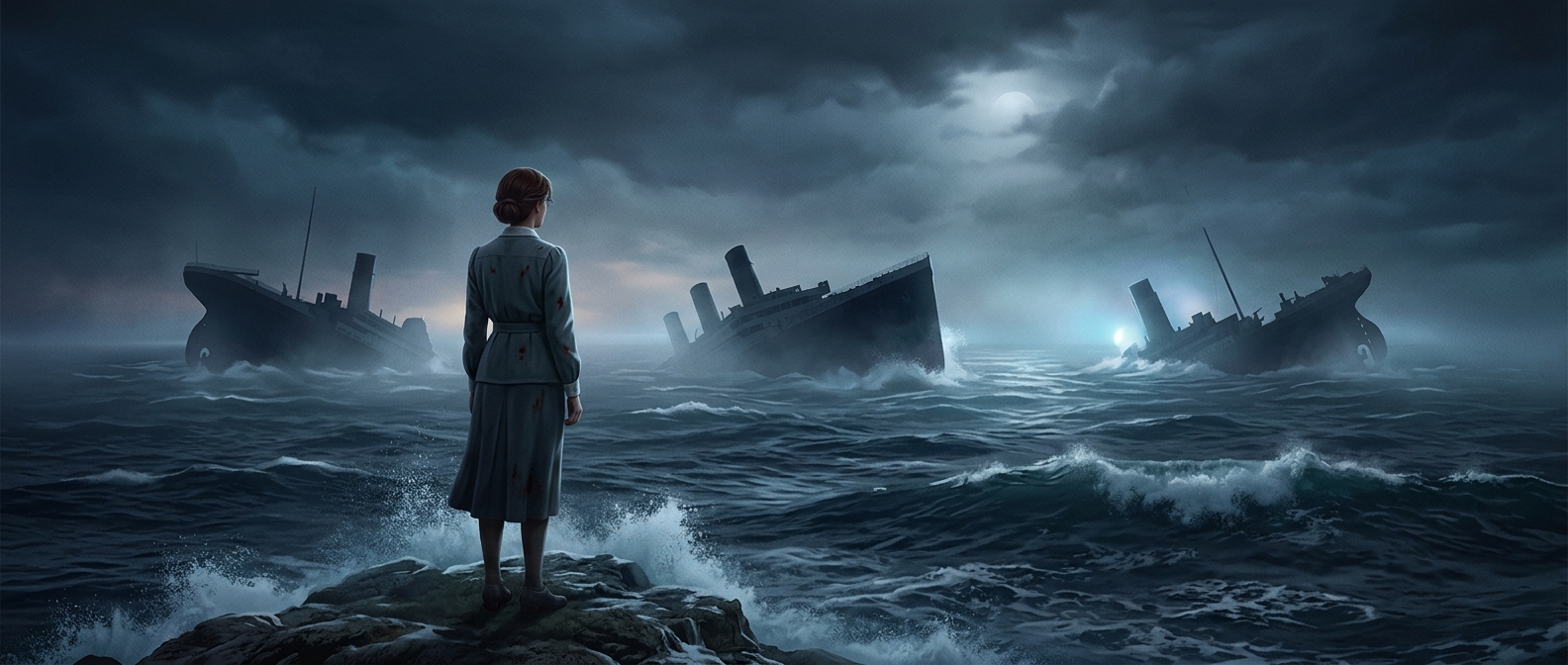
A year later, she was serving aboard the Titanic. After it struck an iceberg, Jessop entered a lifeboat as the ship was evacuated. She later recalled being handed a baby to hold; a crew member retrieved the child after the boat reached safety.
A wartime crossing turned dangerous
In 1916, Jessop was aboard the Britannic, then being used as a hospital ship during World War I, when it struck a mine in the Aegean Sea. The ship began sinking rapidly. Jessop escaped in a lifeboat, but the boat was drawn toward the ship’s propellers. She jumped clear and was injured, surviving as the Britannic went down.
The three incidents were not the same kind of disaster: the Olympic survived its collision, while the Titanic and Britannic sank. Jessop’s survival depended on getting off each ship in time, amid crowded evacuations and dangerous conditions.
Why she kept going to sea
Jessop’s story is striking partly because she did not leave maritime work after these episodes. Shipboard service was her profession, and she continued working at sea for decades, including on other vessels. The disasters became extraordinary interruptions in a working life—not its end.