The Drill That Never Happened
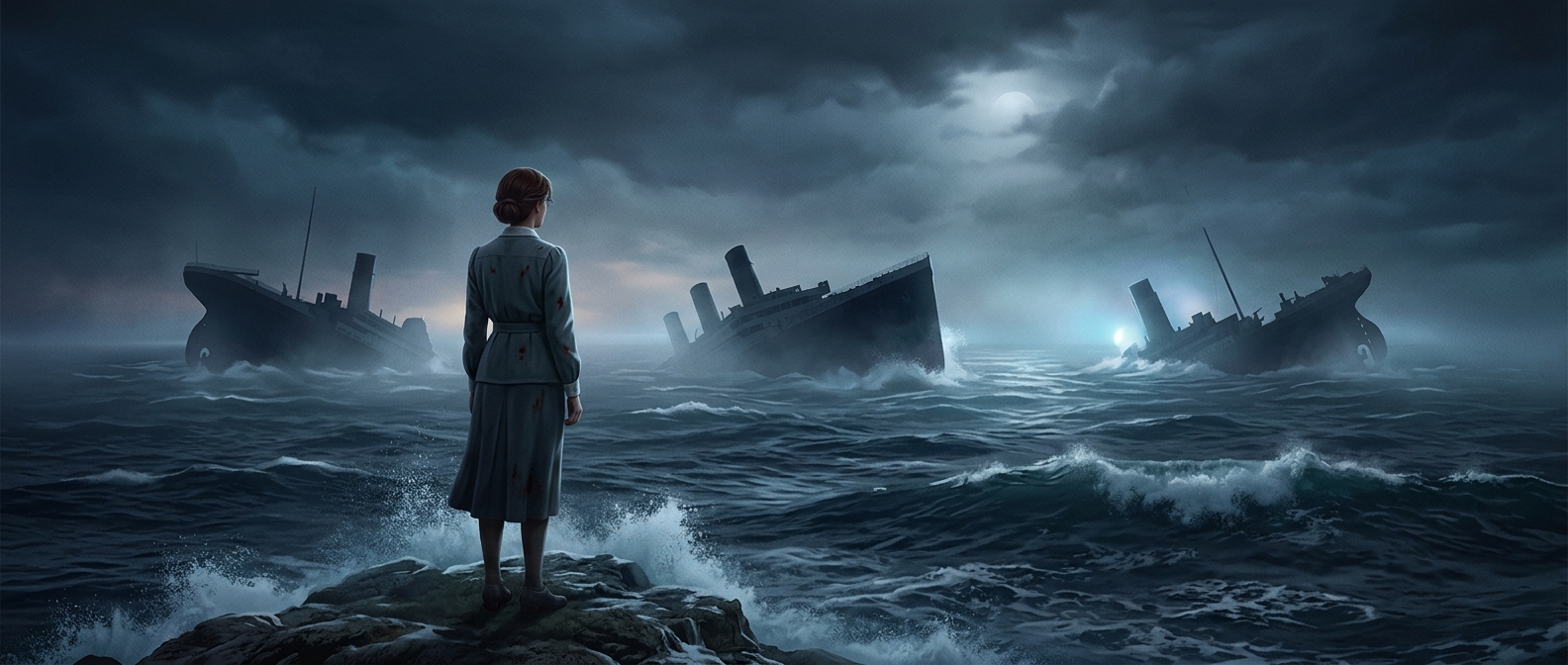
On Sunday morning, April 14, 1912—the day the Titanic struck an iceberg—Captain Edward Smith canceled a scheduled lifeboat drill. The ship’s crew would not practice assembling passengers and lowering the boats before the emergency that came that night.
A lifeboat drill was more than a test of equipment. It gave sailors and stewards a chance to learn their assignments, find the boats, and rehearse the steps needed to launch them. On a crowded ship, those routines mattered: during a real evacuation, confusion over who should do what could cost precious time.
A Failure of Preparation, Not the Cause of the Collision
The canceled drill did not cause the Titanic to hit the iceberg, and it would be too simple to say that holding it would have prevented the disaster. But the crew entered the crisis without that day’s practice. Evacuation was uneven, and many lifeboats left with room for more people. Familiarity with the procedures might have helped, though it cannot be known how much difference one drill would have made.
The decision is striking because it came on the very morning the ship was lost. The Titanic’s catastrophe was not only a collision with ice; it was also a test of emergency preparation that the crew had not rehearsed.