How binoculars might have changed the Titanic’s warning time
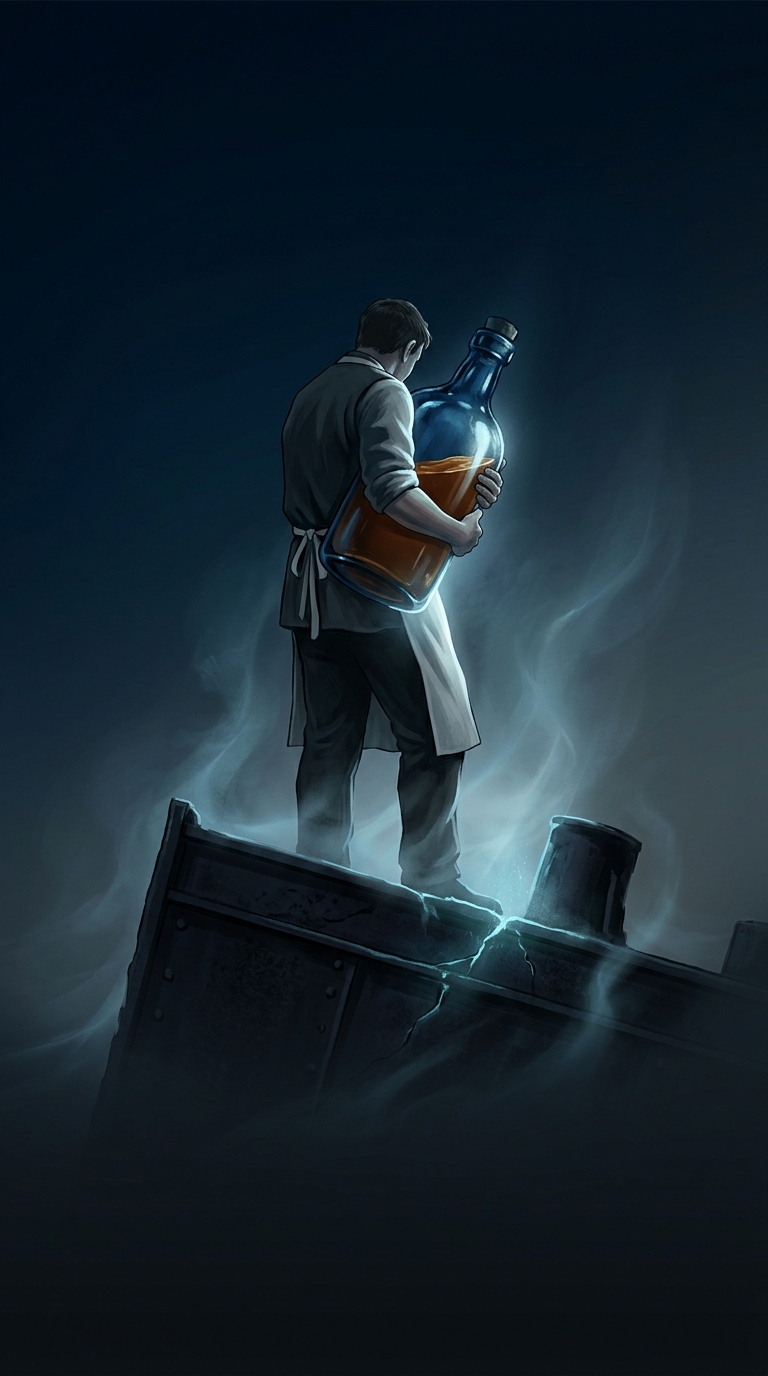
The missing item was binoculars. The ship’s lookouts watched from a high platform near the bow, scanning the dark sea for hazards. They did not have binoculars available that night; a key to the locker holding them had gone ashore with a departing officer.
Binoculars would not have made an iceberg glow or revealed everything hidden by darkness. Their potential advantage was more modest: they could have helped a lookout examine a faint shape sooner and decide whether it was ice. In a ship moving quickly through cold, dark water, even a small gain in warning time could matter.
Why a few minutes mattered
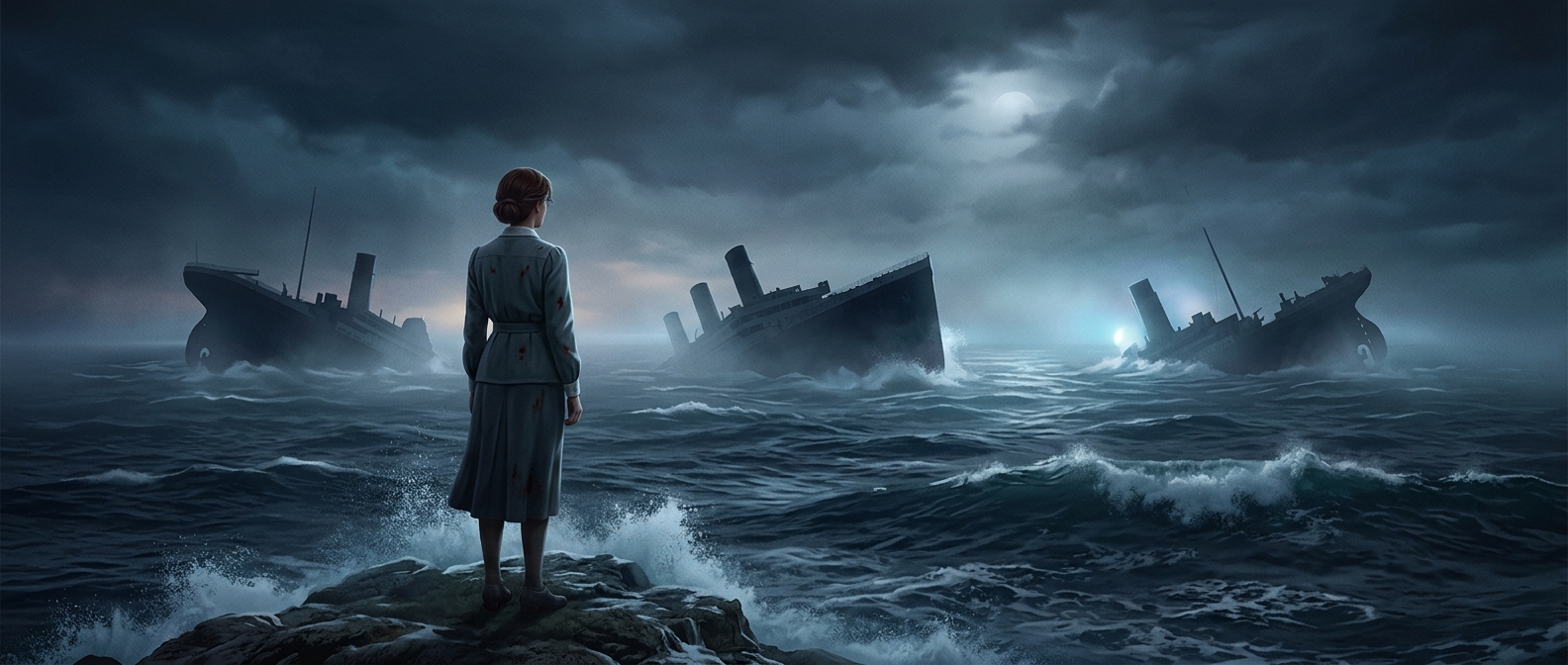
When the iceberg was finally spotted, the crew had to turn a huge ship and reduce its speed with little room to spare. The warning had to travel from lookout to bridge, where officers had to judge the danger and act. A sighting made earlier might have given them more time to maneuver—and could have prevented the collision.
But binoculars were no guarantee. Looking through them narrows the field of view, and in very dark conditions they can make a dim scene harder to scan. The outcome depended on what the lookouts could see, how quickly they recognized it, and how the ship responded.
The loss of the binoculars became a vivid symbol of a preventable failure: a basic tool was unavailable when the crew needed every possible advantage. Their absence did not alone explain the disaster, but it may have cost the ship precious warning time.