The First Stretch of Intestine Acts as a Chemical Checkpoint
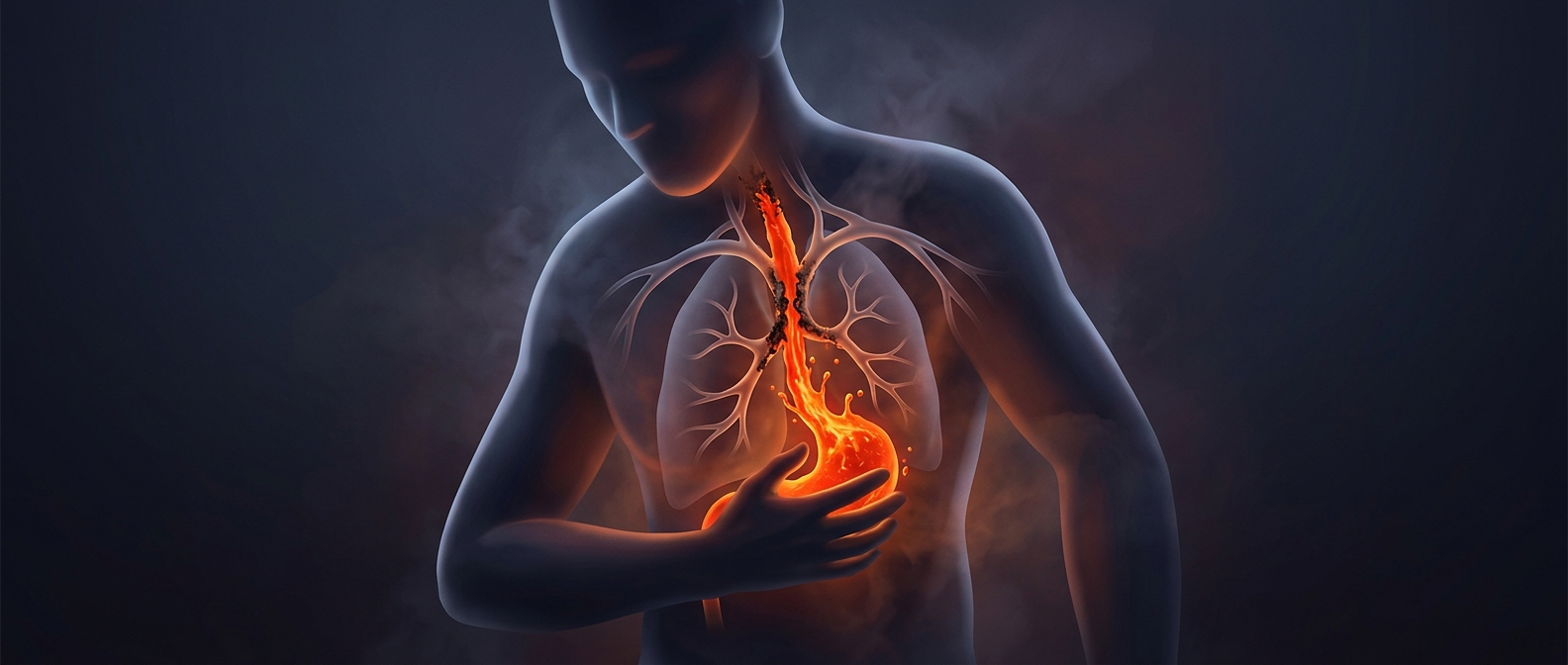
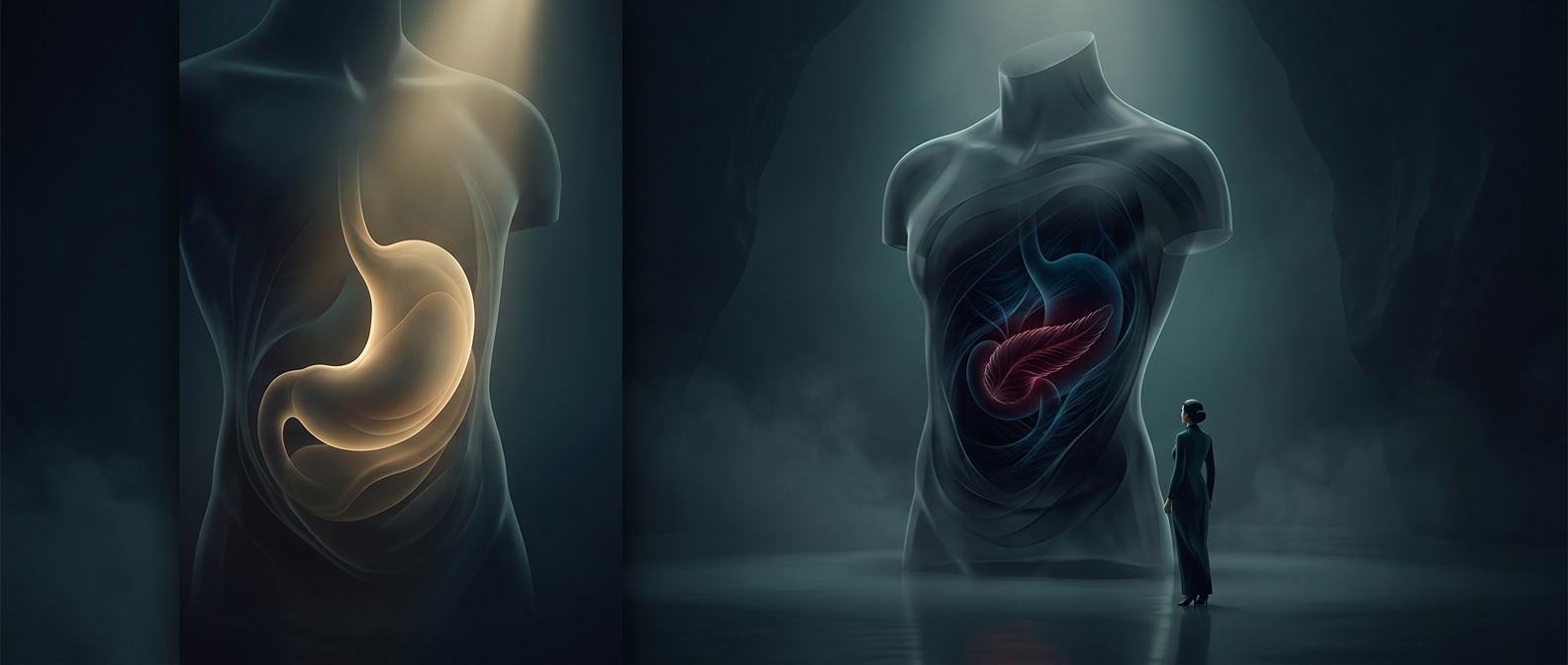
The duodenum—the short first section of the small intestine—receives a stream of partly digested food from the stomach. That stream is called chyme. Because stomach acid helps break down food and kill microbes, chyme arrives at a pH that would be too harsh for the intestine’s delicate lining and for many digestive enzymes.
Bicarbonate Changes the Conditions
As acidic chyme enters, the pancreas releases bicarbonate-rich fluid into the duodenum. Bicarbonate is an alkaline substance that neutralizes acid, much as an antacid does. Acid also prompts the release of the hormone secretin, which signals the pancreas to increase this bicarbonate-rich secretion.
This shift matters twice: it helps protect the intestinal lining, and it creates a less acidic environment in which pancreatic enzymes can work. Those enzymes break large food molecules into smaller pieces the intestine can absorb. Bile, released into the duodenum, helps disperse dietary fat into tiny droplets, making it easier for fat-digesting enzymes to reach it.
Mixing Gives Digestion Time to Work
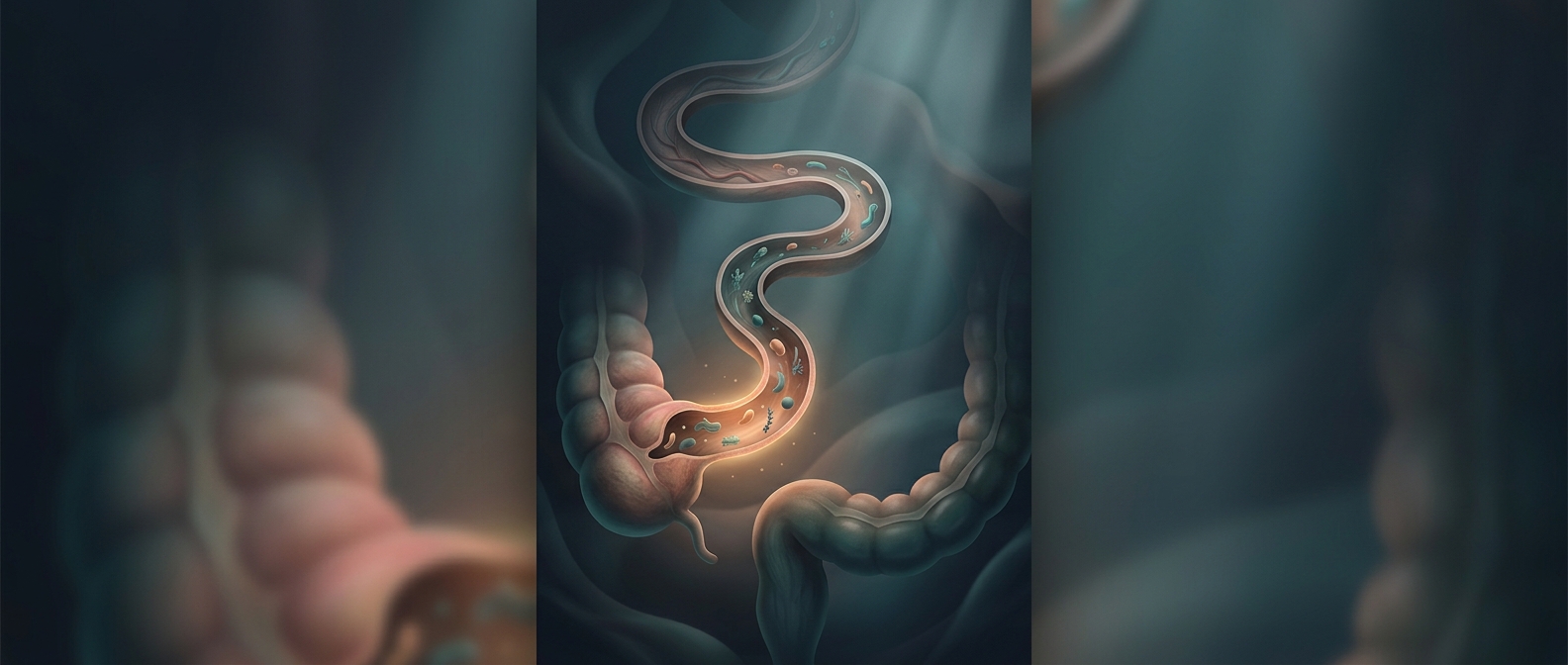
Muscular contractions churn the incoming chyme together with these fluids. Rather than simply pushing the meal onward, the intestine repeatedly squeezes and relaxes sections of its wall, blending the contents and bringing them into contact with the lining. The result is a gradual handoff: stomach acid is buffered, enzymes gain access to food, and digestion continues under conditions suited to absorption.
That handoff is why the same meal can leave the stomach as an acidic slurry but travel through the small intestine as a chemically transformed mixture ready for the next stages of digestion.