A Paused World, an Active Camera
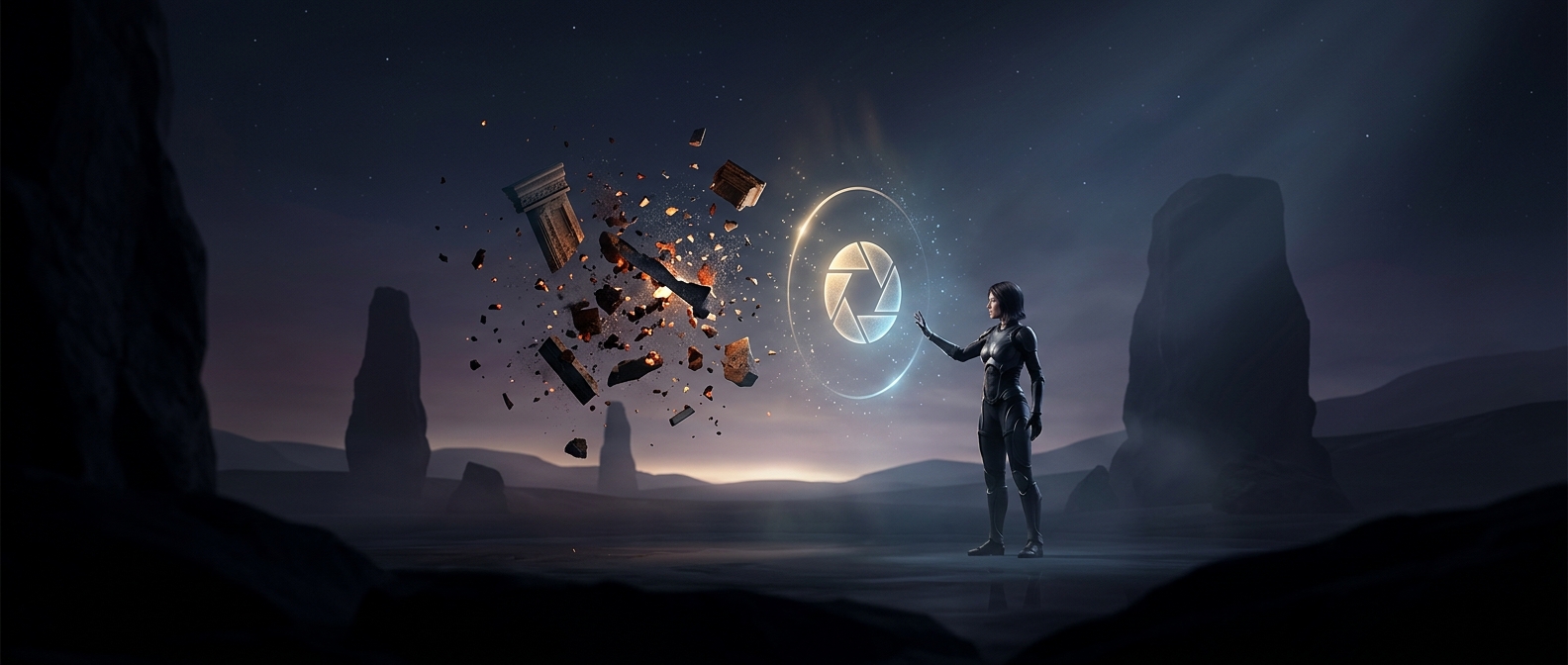
A game normally updates the world many times each second: characters move, attacks advance, and effects such as sparks or smoke change from frame to frame. In a photo mode that pauses the simulation, those updates stop while the image remains available for inspection. The player can move a virtual camera and adjust the shot without the action continuing in the background.
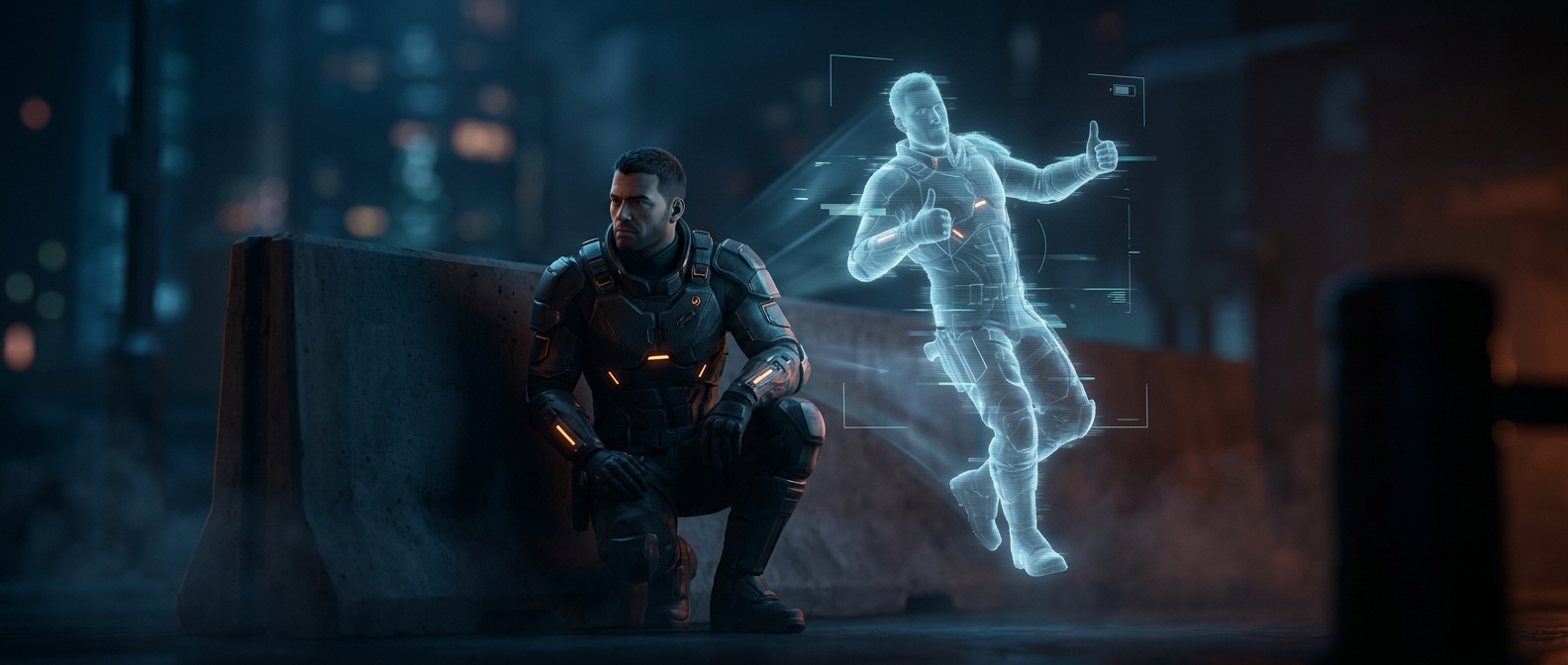
That separation is the key design trick. The game keeps the scene at a particular instant, but gives the camera controls their own job. A punch can remain inches from its target while the player shifts the viewpoint to make the impact read clearly.
Turning Combat Into Composition
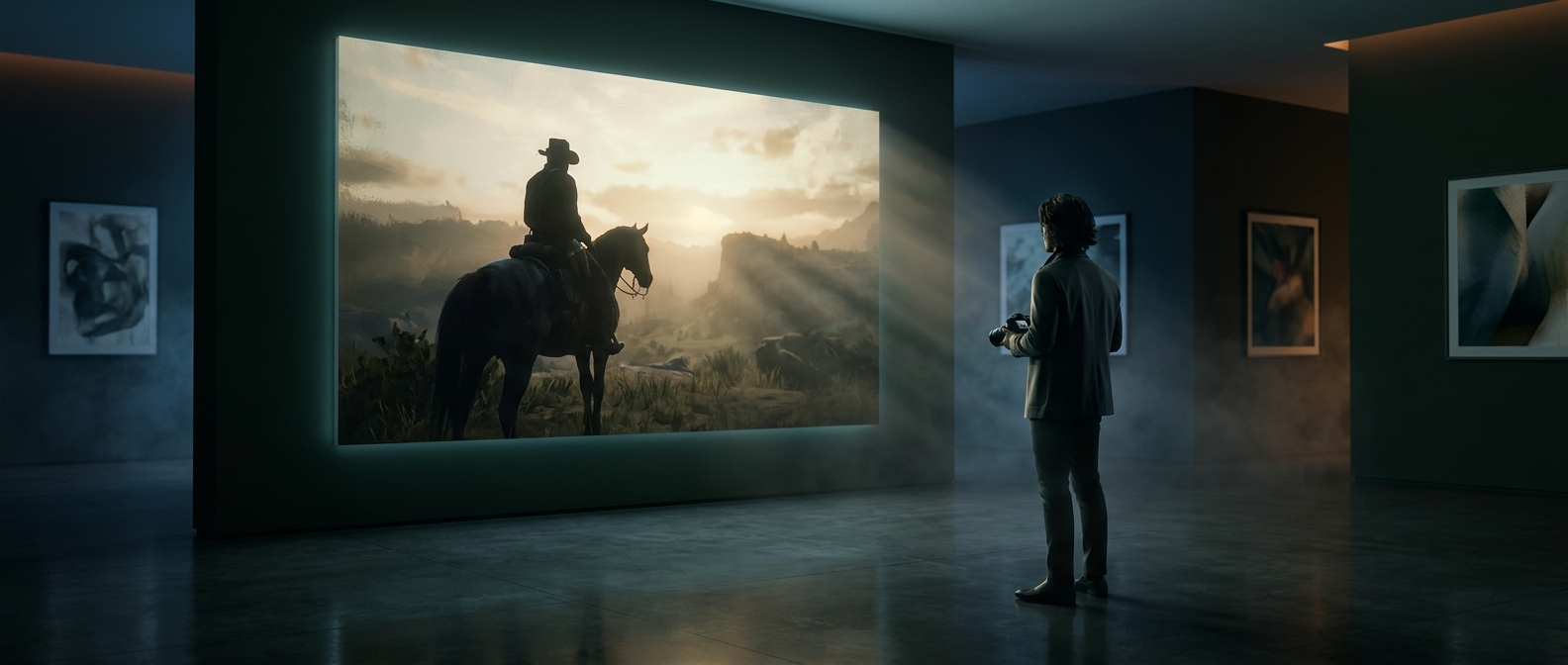
Photo modes often offer tools borrowed from photography: focus controls can sharpen one subject and soften what lies behind it, while filters alter the image’s color and contrast. Camera position and angle change what the viewer notices. A low viewpoint can make a character feel imposing; a tighter frame can make an otherwise busy scene feel intimate.
These adjustments change the presentation, not the events that produced the scene. The player is choosing how to look at a moment the game has already staged. That distinction lets a dramatic encounter double as a set for a carefully composed image.
The Pause Is Part of the Feature
Freezing time removes the pressure that normally defines an action scene. Players can experiment with framing instead of trying to aim a camera while dodging an attack. The game’s designers, in turn, can let players discover visual details that are easy to miss at normal speed: a character’s expression, a weapon’s arc, or debris suspended around an impact.
The result is a small shift in authorship. The game supplies the scene, but the player decides which fraction of it becomes the picture—and from which side of the crisis it is seen.