Why frustration ends up beside the code
A software comment is a note embedded in a program’s files for the people who will read or change them. It does not make the program run differently, but it can explain why a function exists, warn about a tricky dependency, or preserve a detail that would otherwise be easy to miss. That makes comments a natural place to leave a message for the next person who has to work on the code—including the person who wrote it and has since forgotten the context.
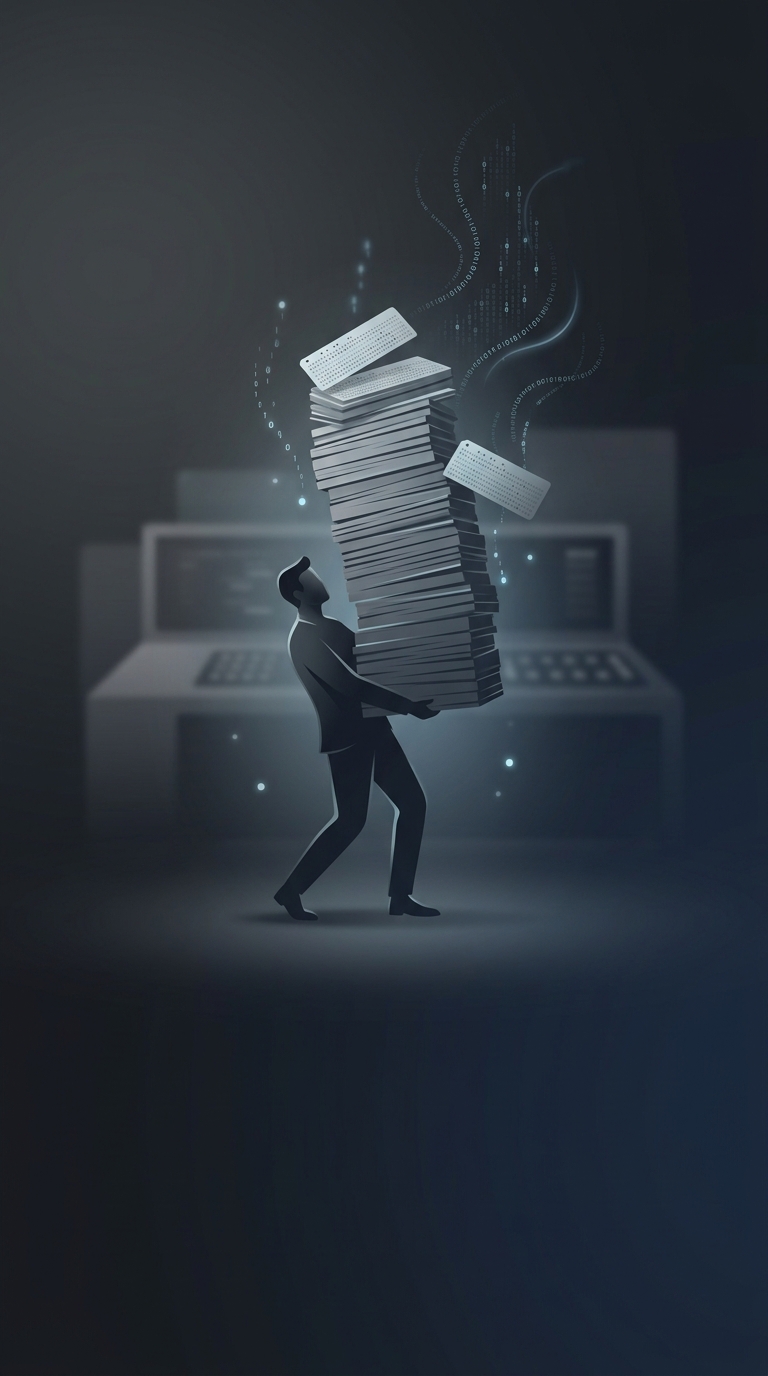
When a workaround or deadline-driven decision feels imposed from above, the surrounding code can become a record of that frustration. A sarcastic aside may be aimed at management, a rushed requirement, or the person who will inherit the problem. The joke is private in the sense that it lives inside a technical file, but it is not necessarily secret: coworkers can find it, and comments may survive long after their author has moved on.
A joke can outlast the reason for it
Comments are useful only when they still help explain the code. If the software changes but the note does not, a once-accurate warning can mislead whoever is trying to fix a bug. Snark adds another complication: it may capture how a decision felt at the time without explaining what the code actually needs. A future developer then has to separate the useful clue from the venting.
That is why a good comment focuses on the constraint or behavior that matters, rather than merely blaming someone. The tone can make a note memorable, but the practical value is in the information it preserves. A line written in irritation beside a critical function may outlive the meeting, the manager, and even the original design decision—leaving the next maintainer to discover both the workaround and the mood that came with it.