stackyFACTS
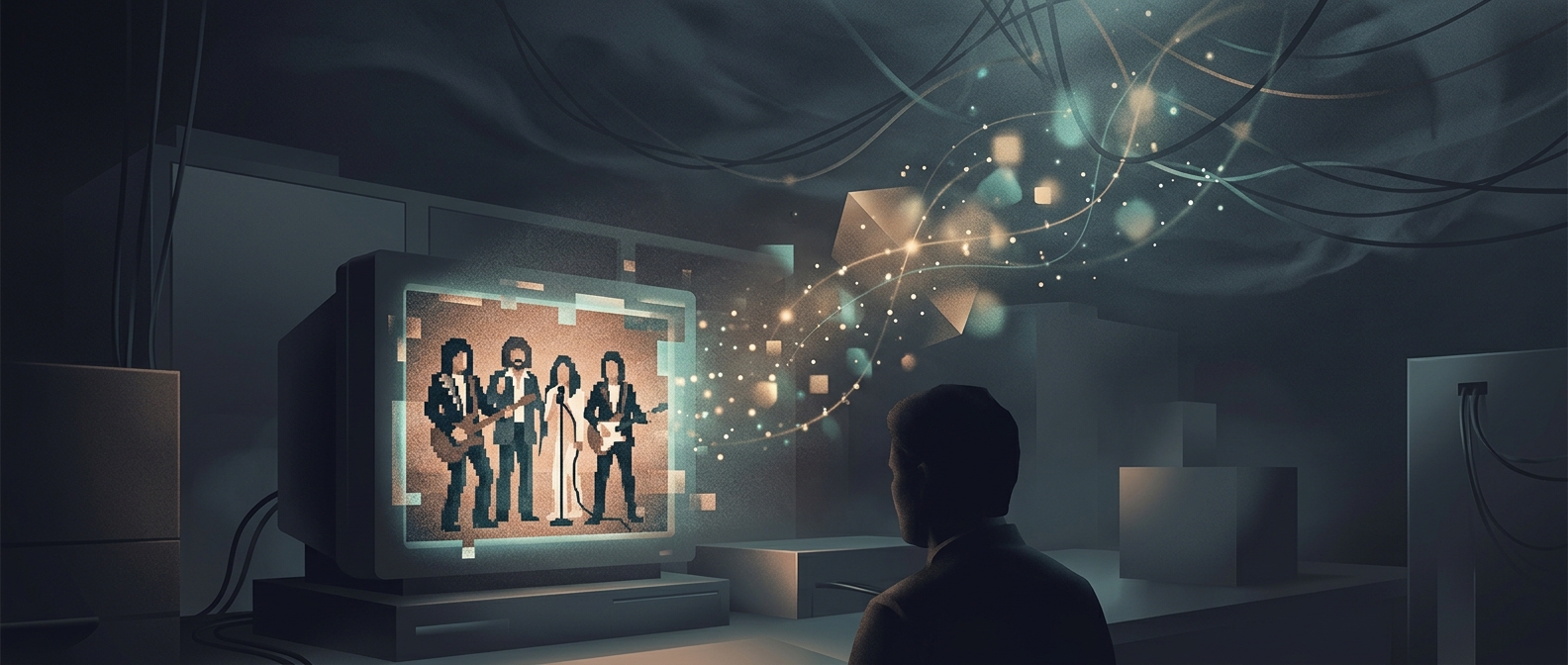
Tim Berners-Lee famously admitted that putting the double forward slash in web addresses was completely unnecessary and fundamentally just a massive waste of human time and effort.
STACKY / Technology
Technology

Tim Berners-Lee famously admitted that putting the double forward slash in web addresses was completely unnecessary and fundamentally just a massive waste of human time and effort.

HERE’S THE INTERESTING PART

Tim Berners-Lee famously admitted that putting the double forward slash in web addresses was completely unnecessary and fundamentally just a massive waste of human time and effort. Decades later, he apologized for making people type the two slashes in every web address.

One discovery leads to another.

Keep exploring facts in this topic.

Technology →

STACKY FOR IPHONE

A bigger world.
One discovery
at a time.

Keep discovering with Stacky. Interesting facts in an app that is always within reach.

Download on the App Store
ONE MORE DISCOVERY?

Keep exploring

All in this topic →
First ever web browser was created by Tim Berners-Lee
Technology

First ever web browser was created by Tim Berners-Lee

In 1990, Tim Berners-Lee built a browser called WorldWideWeb to view the Web. He later renamed it Nexus to distinguish the program from the information space.

Discover more
Technology

Entire regions lose internet during conflicts, instantly disconnecting millions.

Imagine waking up and realizing the internet is gone—not just at home, but across your entire city or country. No messages, no bank transactions, no news…

Discover more
Satellite internet reaches places a cable may never reach
Technology

Satellite internet reaches places a cable may never reach

A ground terminal exchanges data with satellites, connecting a remote settlement without laying a continuous cable across the landscape to every location.…

Discover more
One of the early web’s photos was a CERN girl band
Technology

One of the early web’s photos was a CERN girl band

In 1992, a picture of Les Horribles Cernettes made its way onto CERN’s early web. The singers performed playful songs about life around particle physicists.…

Discover more
The Web spread after CERN let everyone use it for free.
Technology

The Web spread after CERN let everyone use it for free.

The Web spread after CERN let everyone use it for free. In 1993, CERN released its World Wide Web software into the public domain. Others could build servers…

Discover more
The space station's data takes a detour through a much higher orbit.
Technology

The space station's data takes a detour through a much higher orbit.

The space station's data takes a detour through a much higher orbit. The ISS circles roughly 400 kilometers above Earth, but much of its communication passes…

Discover more
StackyMore discoveries in the app
Download on the App Store