Why hearing can fade after a blast
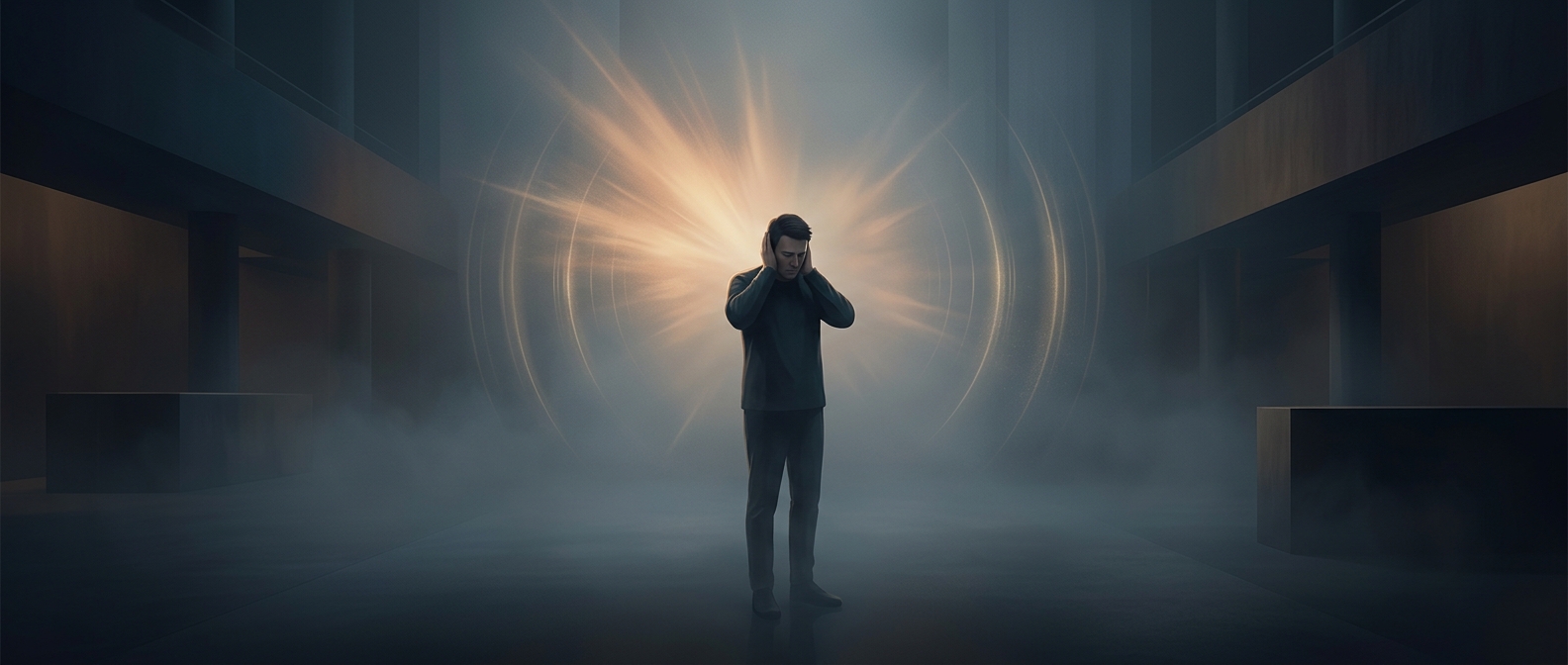
Sound reaches the inner ear as waves that move tiny sensory cells inside the cochlea, a curled structure that converts vibration into signals the brain can interpret. An intense blast can make those cells and their surrounding machinery respond less effectively for a while. The brain then receives a weaker, less precise signal, so voices may seem distant or indistinct even after the noise has stopped.
This temporary dip in hearing sensitivity is often called a temporary threshold shift: a sound must be louder than usual before it can be heard. Ringing can accompany it because the auditory system may generate or amplify activity when normal input is reduced. That ringing is a sensation, not evidence that an outside sound is present.
Temporary does not mean harmless
As the ear recovers, sensitivity may return, but recovery does not prove that the blast caused no lasting injury. Very loud sound can damage delicate inner-ear structures; repeated exposure can add to that harm, and some damage is permanent. A person cannot reliably tell the difference just by waiting for the muffled feeling to lift.
The practical consequence is simple: move away from the noise and protect the ears from further loud sound rather than treating the temporary quiet as a reset. If hearing remains reduced or ringing persists, medical assessment can help determine whether the injury needs attention. The unsettling part is that a blast may leave no visible mark while the ear is still struggling to translate sound.