How a Bathroom Fixture Became a Martian Sound Effect
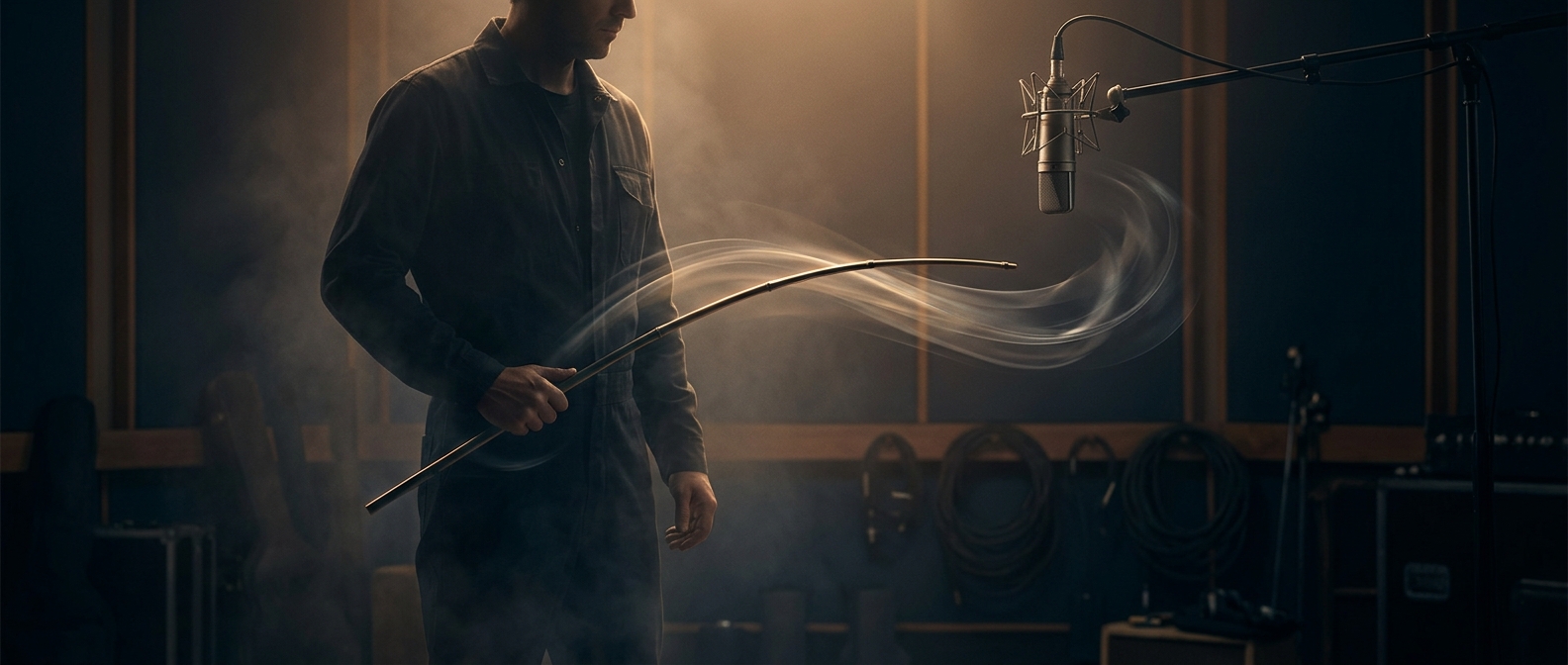
For the 1938 radio adaptation of H. G. Wells’s The War of the Worlds, the sound of a spacecraft opening had to work without a picture. Foley artists—sound makers who create effects in real time—experimented with ordinary objects until they found a noise that suggested something heavy, metallic, and unfamiliar. Dragging a weighty jar across a wet toilet bowl produced a drawn-out scrape that could stand in for a cylinder being unscrewed.
The trick was not that the object sounded exactly like a machine. It was that the sound gave listeners enough clues to imagine one: friction, weight, and a slow release. Radio drama could then let each listener’s mind supply the alien device itself.
Why the Broadcast Sounded Like News
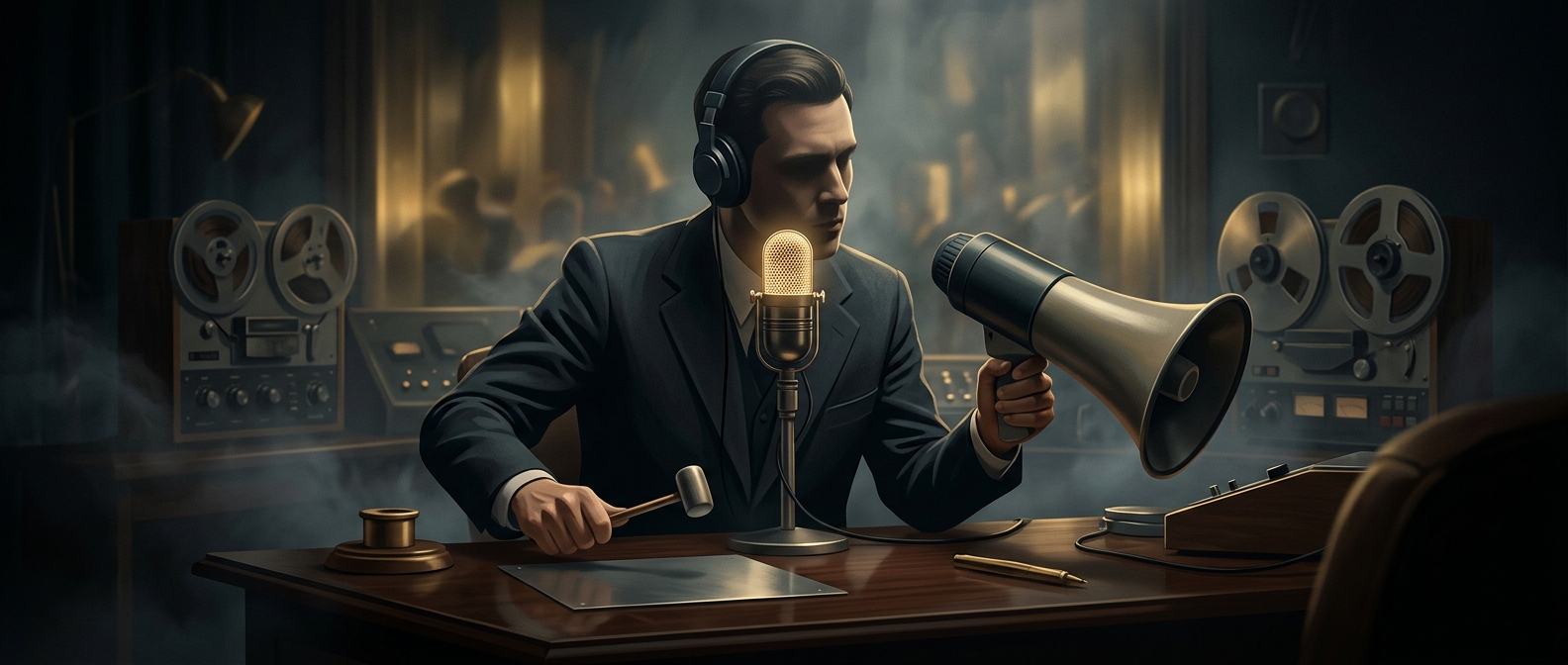
The program’s presentation did as much work as its sound effects. It interrupted the drama with realistic-sounding news bulletins, making an invented invasion resemble a live emergency report to anyone who tuned in partway through. That format blurred the boundary between performance and news, especially for listeners who had missed the opening explanation that the program was fiction.
The familiar, improvised scrape helped sell the scene, but it was only one piece of the effect. The broadcast’s apparent authority came from its news style; the sound of the cylinder made the imagined event feel physically present.
The Listener Had to Build the Scene
A film can show a hatch turning. Radio has to make the audience infer it from sound, timing, and speech. A dragging jar could suggest a resistant mechanism, while the actors’ reactions supplied scale and danger. The bathroom object mattered because listeners heard a convincing action—not because they recognized the plumbing behind it.