How a Masked Figure Broke Into Chicago Television
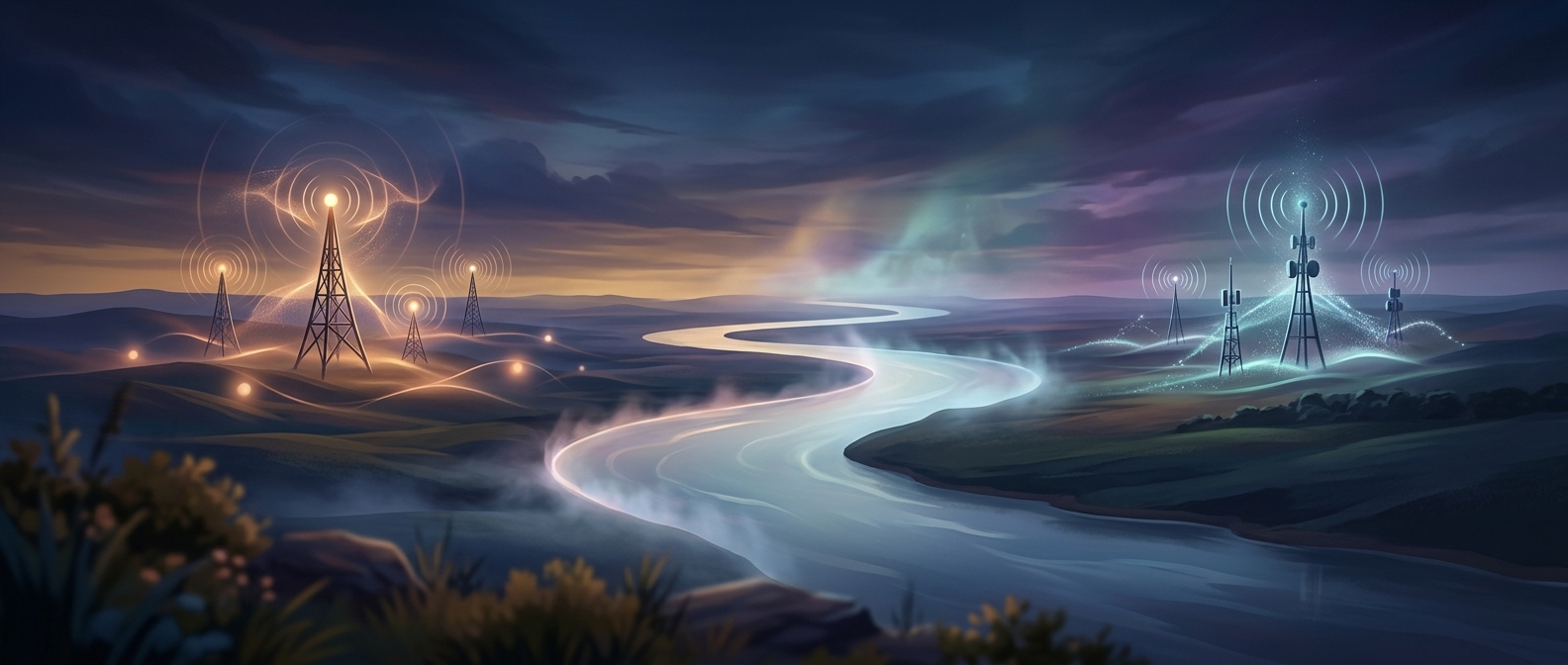
The intrusion was more than someone sneaking into a studio and taking over a camera. Television stations sent their programs to viewers as radio signals, and a sufficiently strong competing signal could disrupt what a station was broadcasting. In 1987, viewers in Chicago saw a masked performer appear over programming on two separate stations. The exact technical method has never been firmly established.
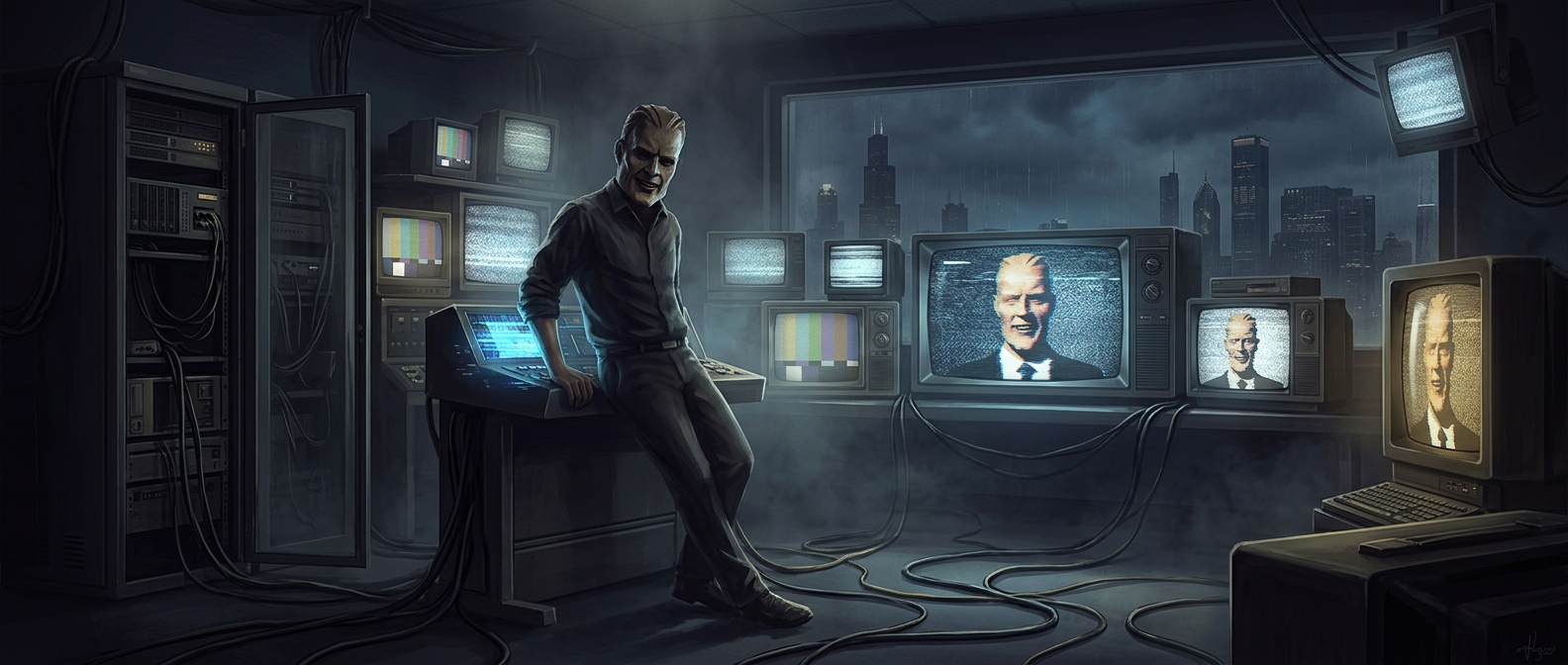
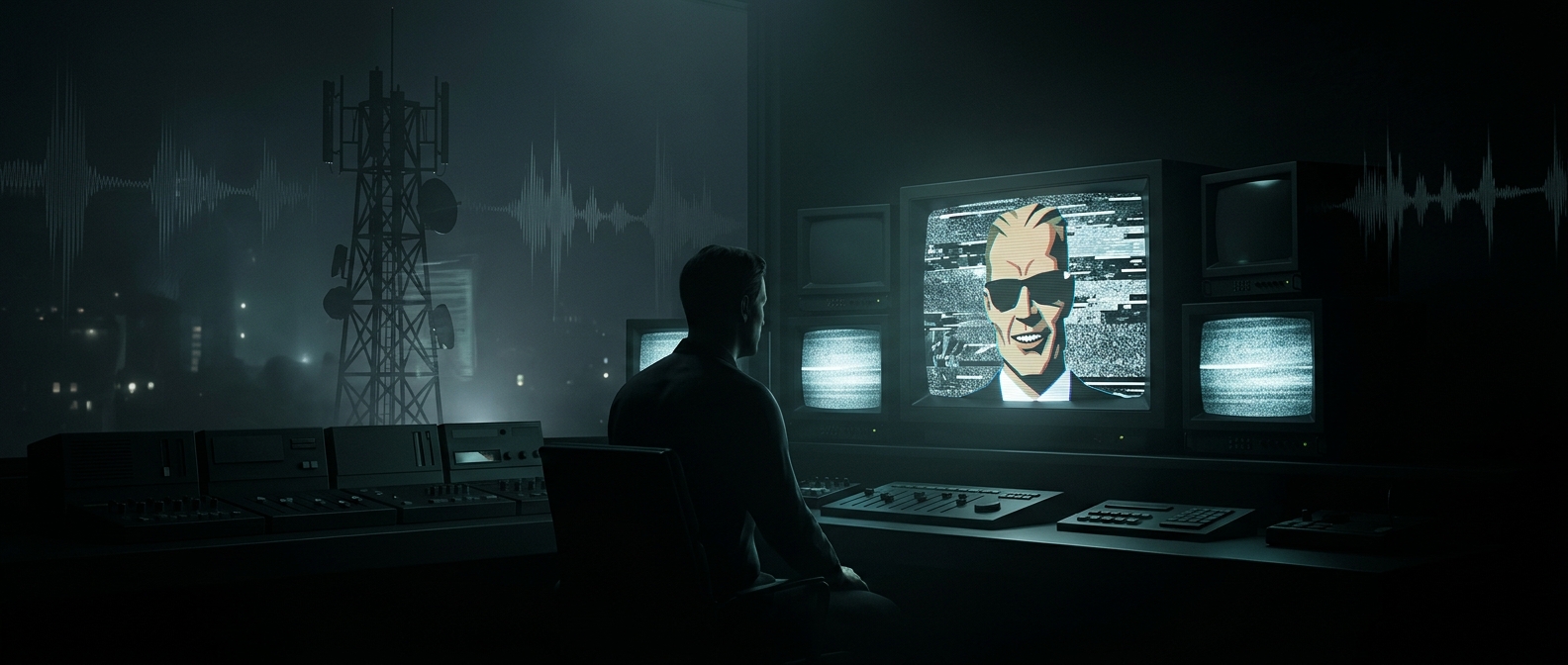
The first interruption cut into a WGN broadcast. Later, the figure appeared during a program on WTTW, a public television station. That second appearance lasted long enough to become a bizarre, disjointed performance, complete with a Max Headroom-style mask. Max Headroom was a fictional, computer-generated television personality popular in the 1980s; the disguise made the intrusion look like a warped parody of the era’s media culture.
Why the Mystery Endured
A broadcast interruption is fleeting: viewers can watch it happen, but the signal itself does not identify who sent it. Investigators would need to trace the transmission or connect it to a person, equipment, or location. The attacker’s brief appearances offered no clear identity, and the rambling performance supplied no reliable explanation of motive. No perpetrator has been identified.
The event also exposed a peculiar feature of broadcast television. A station could command the screen across a broad area, but viewers had no way to answer back or learn immediately what had happened. For a few minutes, an unknown person turned that one-way reach into a stage—and then vanished, leaving the recordings as evidence of the interruption, not proof of who caused it.