Why a One-Stop Train Ride Can Lose to Walking
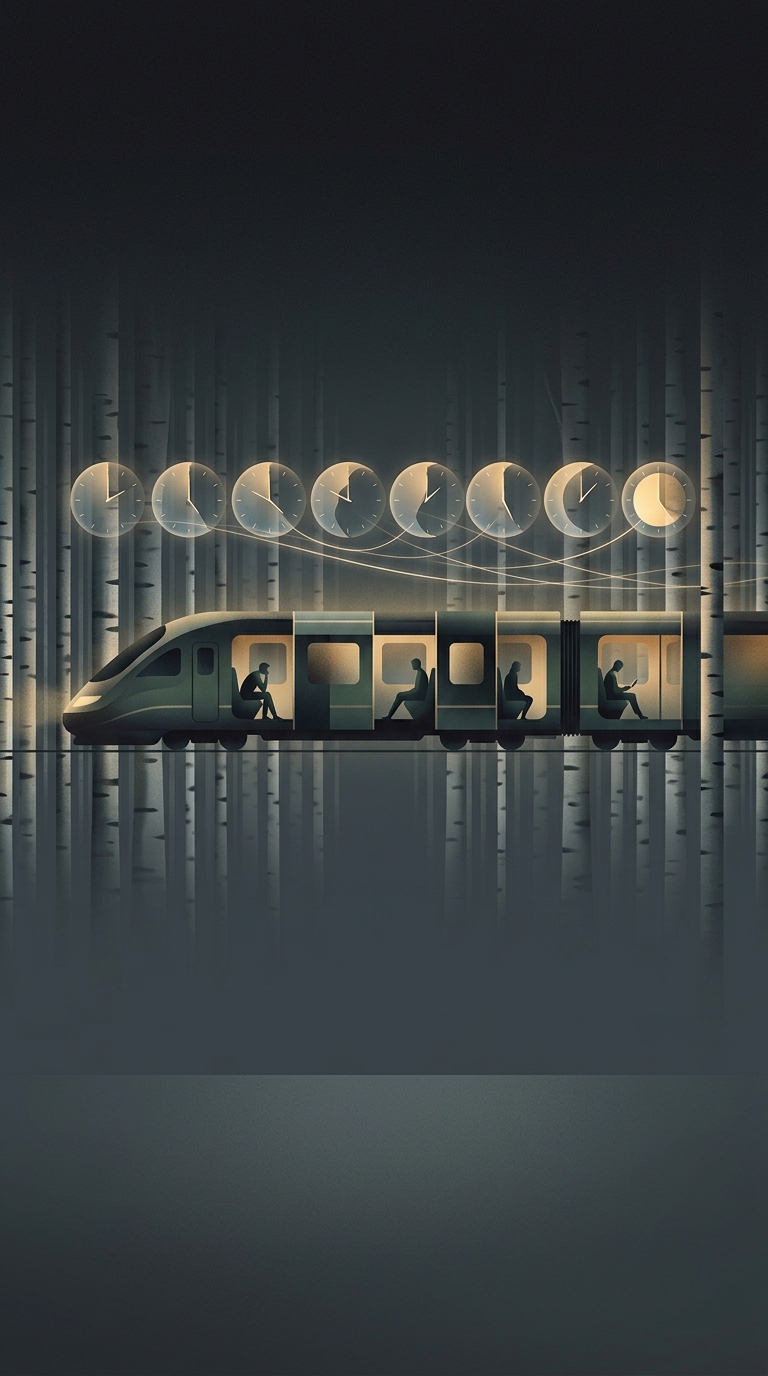
A train’s speed matters most over distance. For a very short trip, the time spent getting to the platform, waiting for a train, and leaving at the other end can outweigh the time the train actually spends moving. Even opening and closing the doors takes time before anyone travels anywhere.
Walking has a different clock. Once you set off, each step moves you toward the destination; there is no timetable to wait for and no platform-to-street transfer at the far end. If the walking route is direct, it can beat a rail journey whose stations sit close together.
The Network Is Built for the Whole Route
Rail lines are designed to carry people across a city, not to make every pair of neighboring stations the quickest possible trip. Trains must stop at fixed points, slow down, and accelerate again. Those costs make sense when many riders are traveling farther, but they are harder to recover on a tiny hop.
That is why a map can make two stations look like an obvious train trip while the street-level route tells a different story. For a short gap, the useful comparison is not walking speed versus train speed; it is the time from where you are now to where you need to be. Sometimes the fastest “connection” is simply the pavement between stations.