Copper’s atoms survive the melt
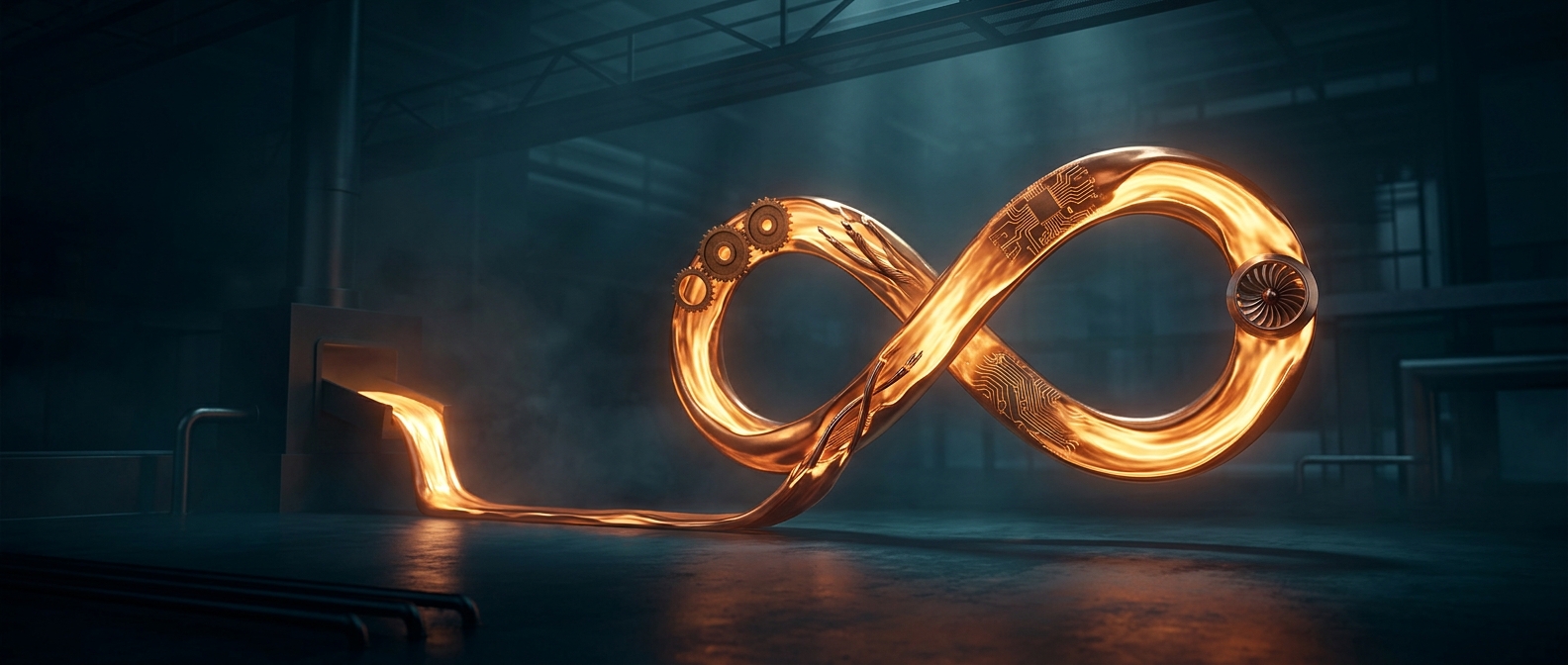
When copper wire is recycled, heat changes its shape, not the identity of its atoms. Melting turns solid copper into liquid; once it cools, the metal can be cast and drawn into new wire. Copper’s ability to carry electrical current comes from the way electrons move through its atomic structure, so remelting pure copper does not inherently take that ability away.
The key word is pure. Scrap can contain insulation, solder, coatings, or other metals. If those contaminants remain, they can interfere with the flow of electricity. Recyclers therefore sort and process copper to remove unwanted material, and manufacturers use metal of suitable purity for demanding electrical applications.
Keeping the metal useful
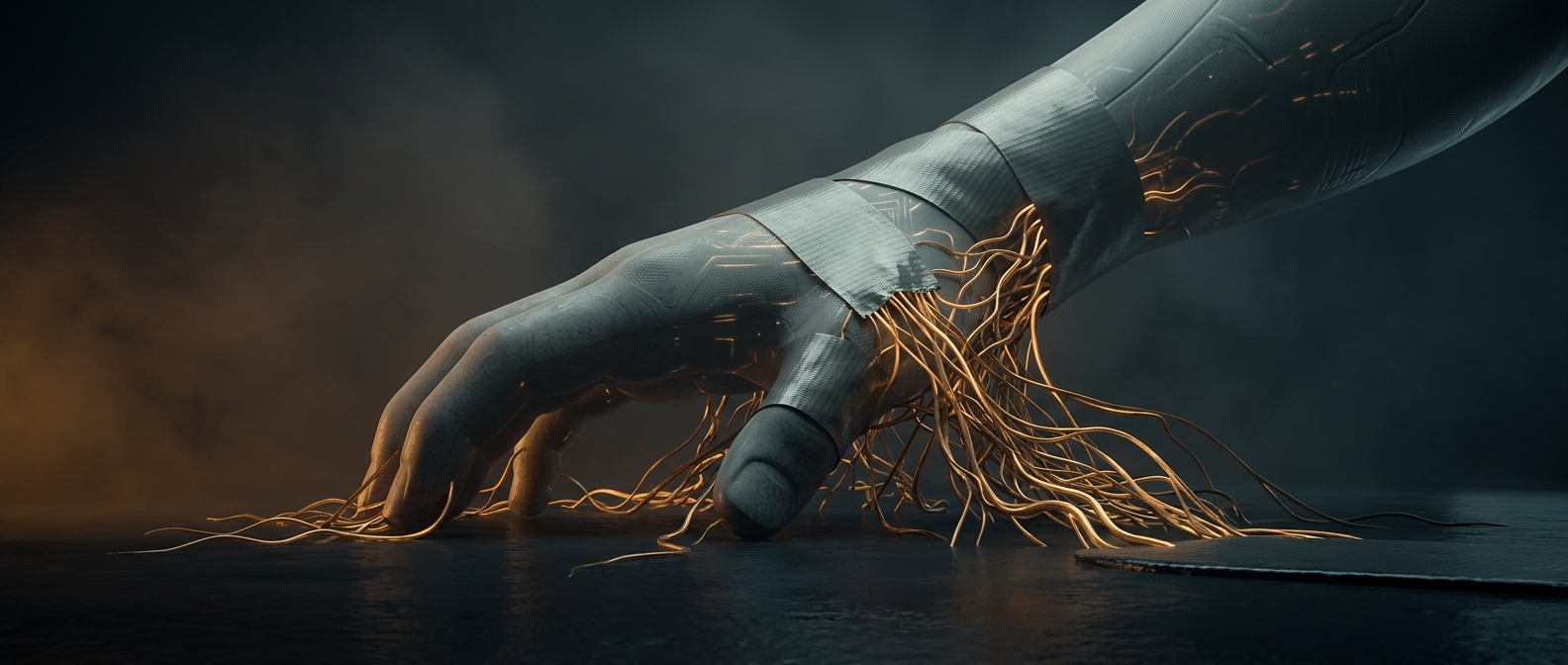
After purification, copper can be formed into wire again. Drawing—pulling metal through progressively smaller openings—makes it long and thin; the wire may also be treated to achieve the flexibility and strength needed for its job. These manufacturing steps change its dimensions and mechanical behavior, but they do not inherently reduce the conductivity of properly purified copper.
That makes copper especially useful in a material loop: old wire can become feedstock for new electrical products rather than losing its essential function simply because it has been used before. The practical challenge is not restoring copper’s basic ability to conduct, but keeping the recycled metal clean enough for the next wire.