stackyFACTS
Transport

Rocket nozzles gimbal to steer the craft

HERE’S THE INTERESTING PART

You cannot exactly steer a metal tube in a vacuum using fins. Instead, the entire explosive exhaust nozzle swivels mechanically, thrusting the blast in slightly different directions to tilt the massive structure mid-launch.
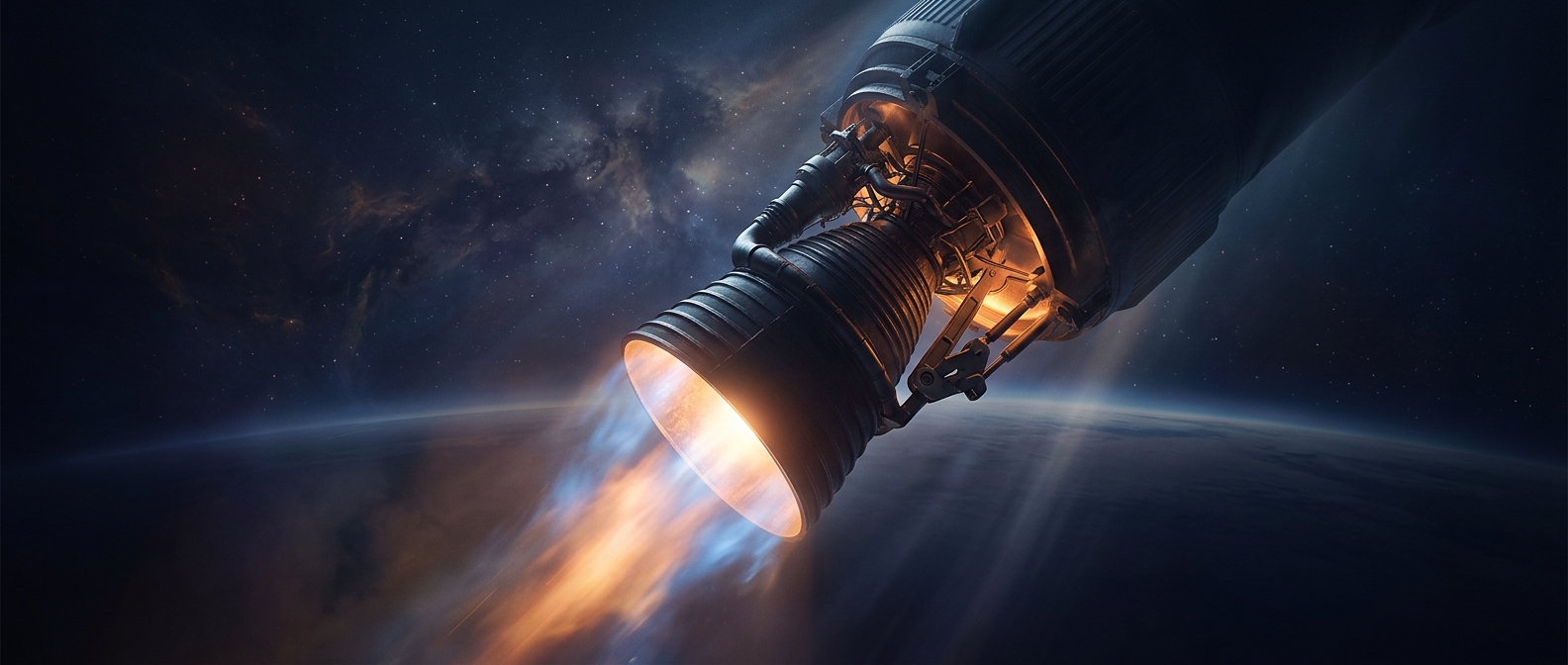
Rocket nozzles gimbal to steer the craft
STACKY / Transport
One discovery leads to another.

Keep exploring facts in this topic.

Transport →

STACKY FOR IPHONE

A bigger world.
One discovery
at a time.

Keep discovering with Stacky. Interesting facts in an app that is always within reach.

Download on the App Store
ONE MORE DISCOVERY?

Keep exploring

All in this topic →
The Apollo tires made from woven metal
Transport

The Apollo tires made from woven metal

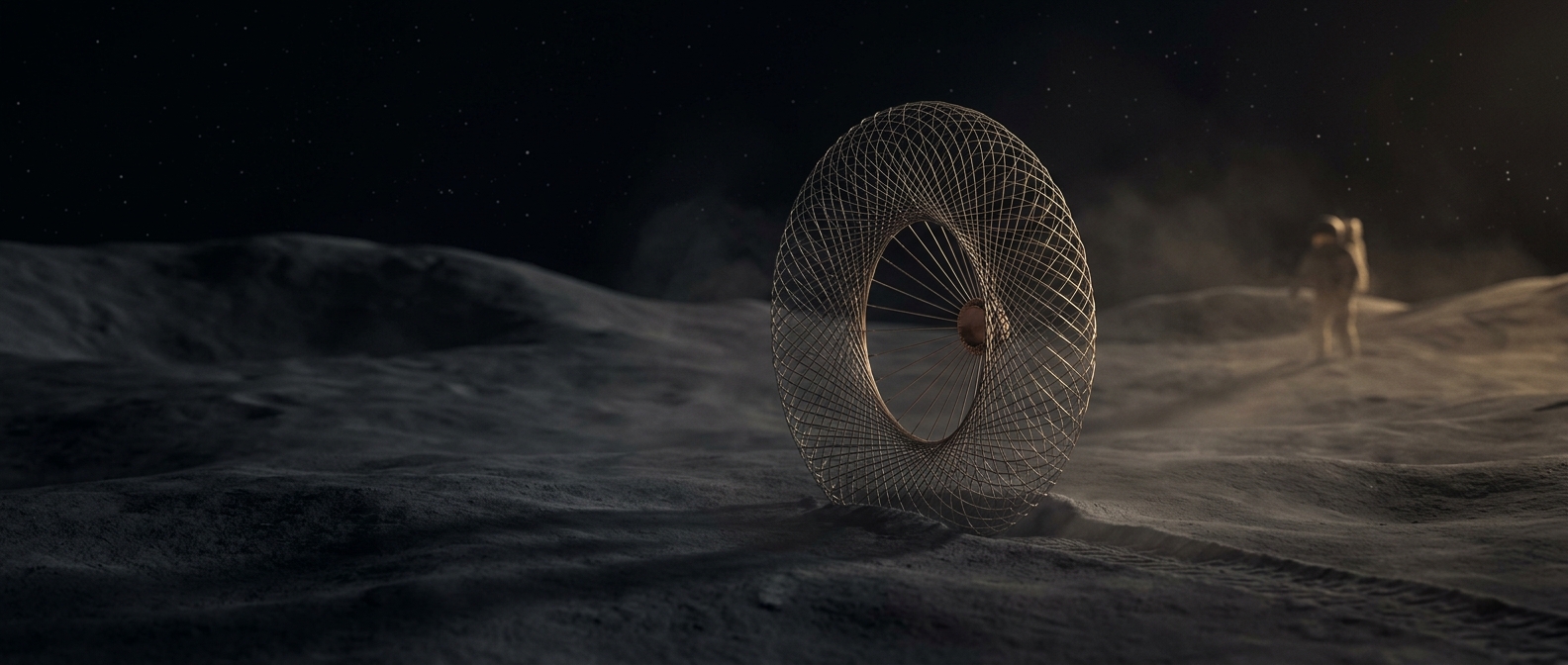
Rubber tends to shatter into a million useless pieces in the freezing vacuum of space. To solve this, engineers crafted incredibly expensive tires out of…

Discover more
Harrods department store in London installed England's first moving staircase in 1898, designed by Jesse W.
Transport

Harrods department store in London installed England's first moving staircase in 1898, designed by Jesse W.

Harrods department store in London installed England's first moving staircase in 1898, designed by Jesse W. Reno as an inclined conveyor belt made of woven…

Discover more
Double-decker buses were made to cheat space
Transport

Double-decker buses were made to cheat space

Instead of making vehicles longer and permanently clogging up intersections, some genius realized you could just stack passengers vertically and hope the…

Discover more
Why the gap between train and platform exists
Transport

Why the gap between train and platform exists

That terrifying void between the platform and the door isn't there to test your jumping skills. It exists entirely because railcars are rigid, unbending…

Discover more
Rocket nosecones split open in space
Transport

Rocket nosecones split open in space

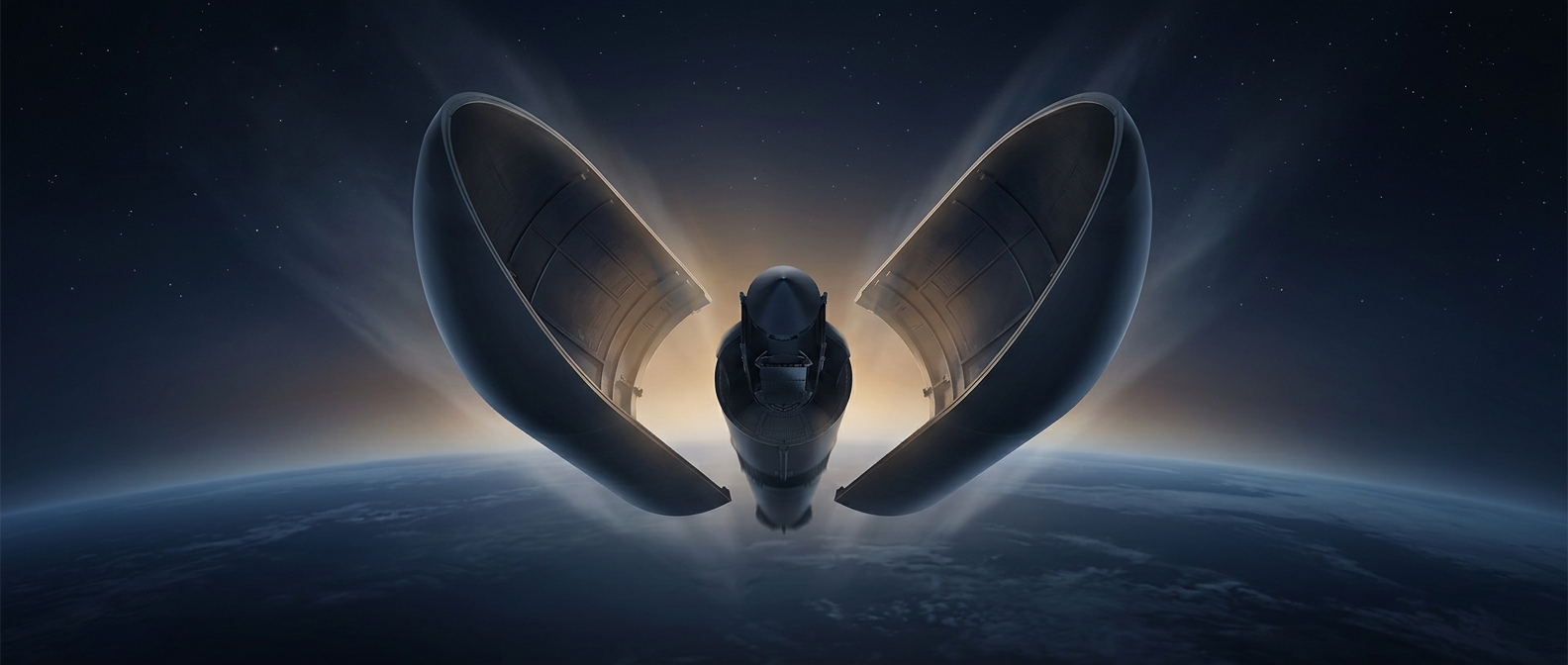
The aerodynamic nosecone of a rocket is entirely useless once it hits the vacuum. Explosive seams forcefully blast the protective shell directly down the…

Discover more
NASA spent nearly thirty-eight million dollars developing the Apollo Lunar Roving Vehicle in the early 1970s, creating a foldable, battery-powered buggy that astronauts could use…
Transport

NASA spent nearly thirty-eight million dollars developing the Apollo Lunar Roving Vehicle in the early 1970s, creating a foldable, battery-powered buggy that astronauts could use…

NASA spent nearly thirty-eight million dollars developing the Apollo Lunar Roving Vehicle in the early 1970s, creating a foldable, battery-powered buggy that…

Discover more
StackyMore discoveries in the app
Download on the App Store