How a Waiting-Room Magazine Becomes a Time Capsule
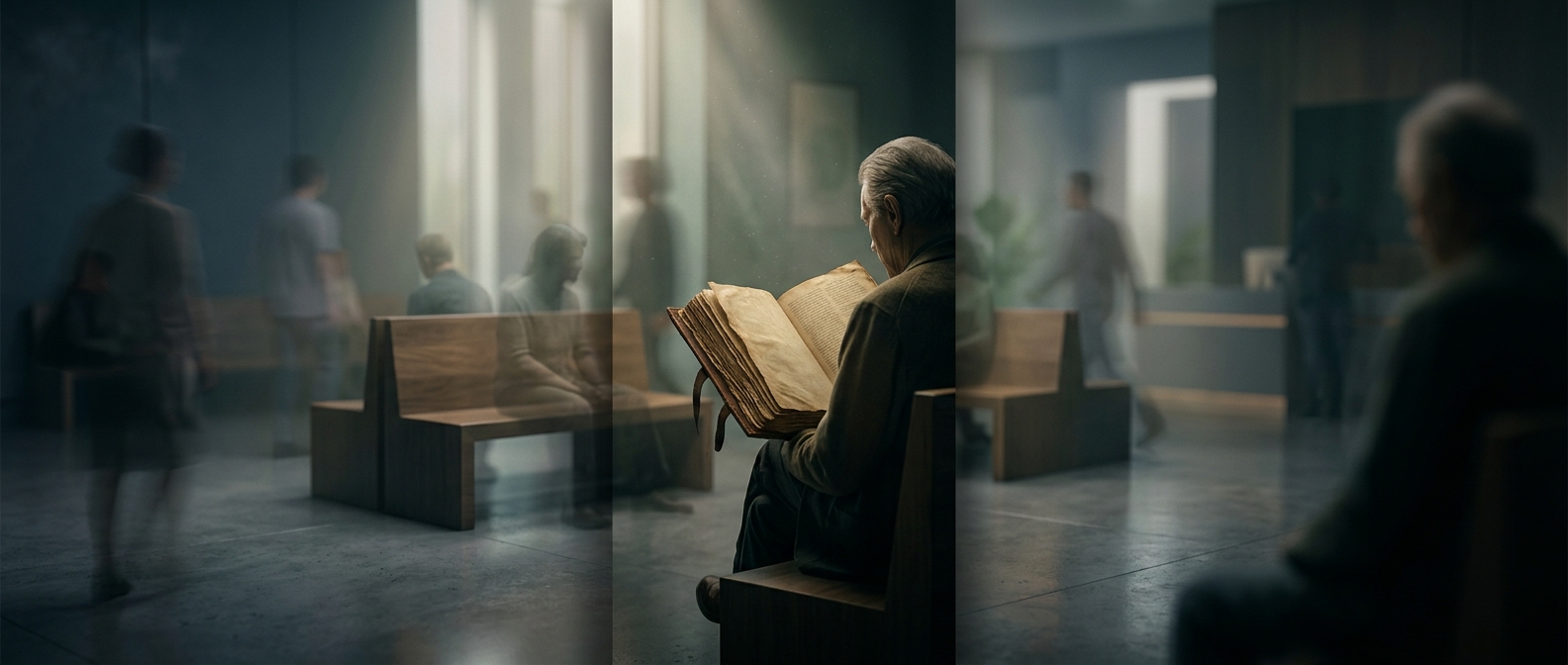
A clinic magazine can outlast the moment it was meant for. When someone leaves an issue behind, it may stay in the waiting room until another patient picks it up. Each reader encounters the same pages at a different point in time: an interview, an advertisement, or a mention of a trend that once felt current can now seem like a dispatch from another era.
Why the Pages Stay in Circulation
Waiting rooms create an unusually slow life for disposable print. Patients arrive and leave, but the magazine remains available to the next person. Unlike a book borrowed by one reader, it can pass through many hands without anyone keeping track of its history. The cover’s date may fade from attention while the paper itself stays legible, so an old issue can continue to look like ordinary reading until a detail gives away its age.
A Small Record of the Clinic
The magazine carries two timelines at once: the public world captured in its pages and the succession of people who have waited there. A dated interview preserves what seemed worth discussing when it was published; its worn edges and familiar presence reflect the clinic’s repeated routines. The issue becomes a shared time capsule not because it was saved, but because nobody had a reason to take it away.