How Rakshasas Use Deception in Hindu Stories
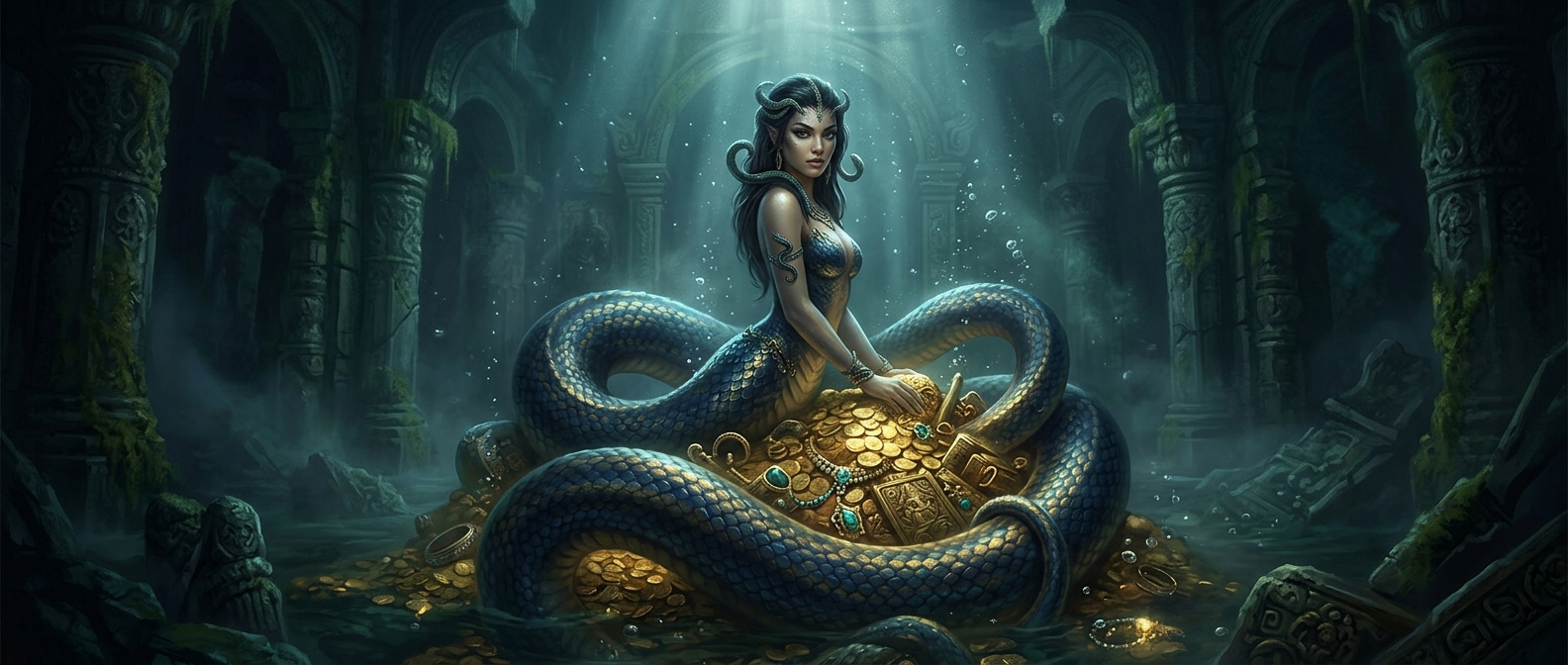
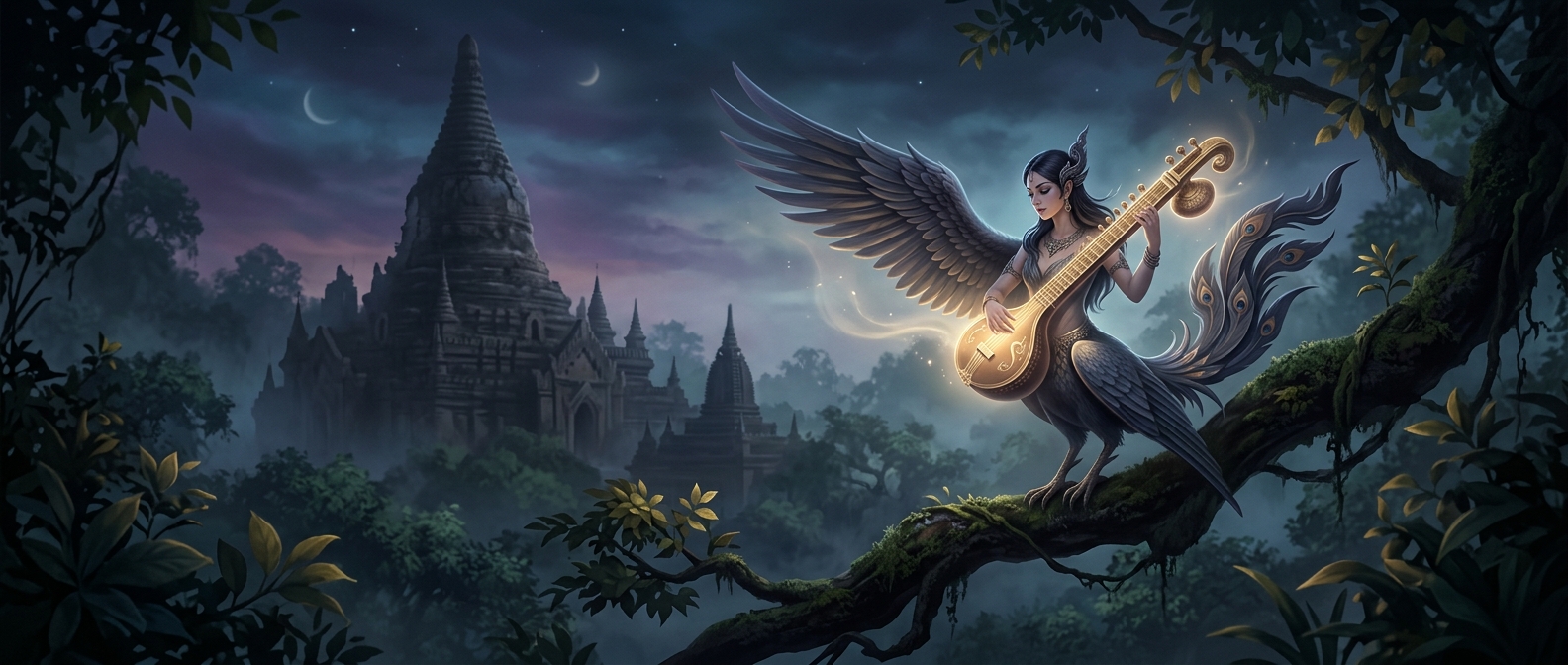
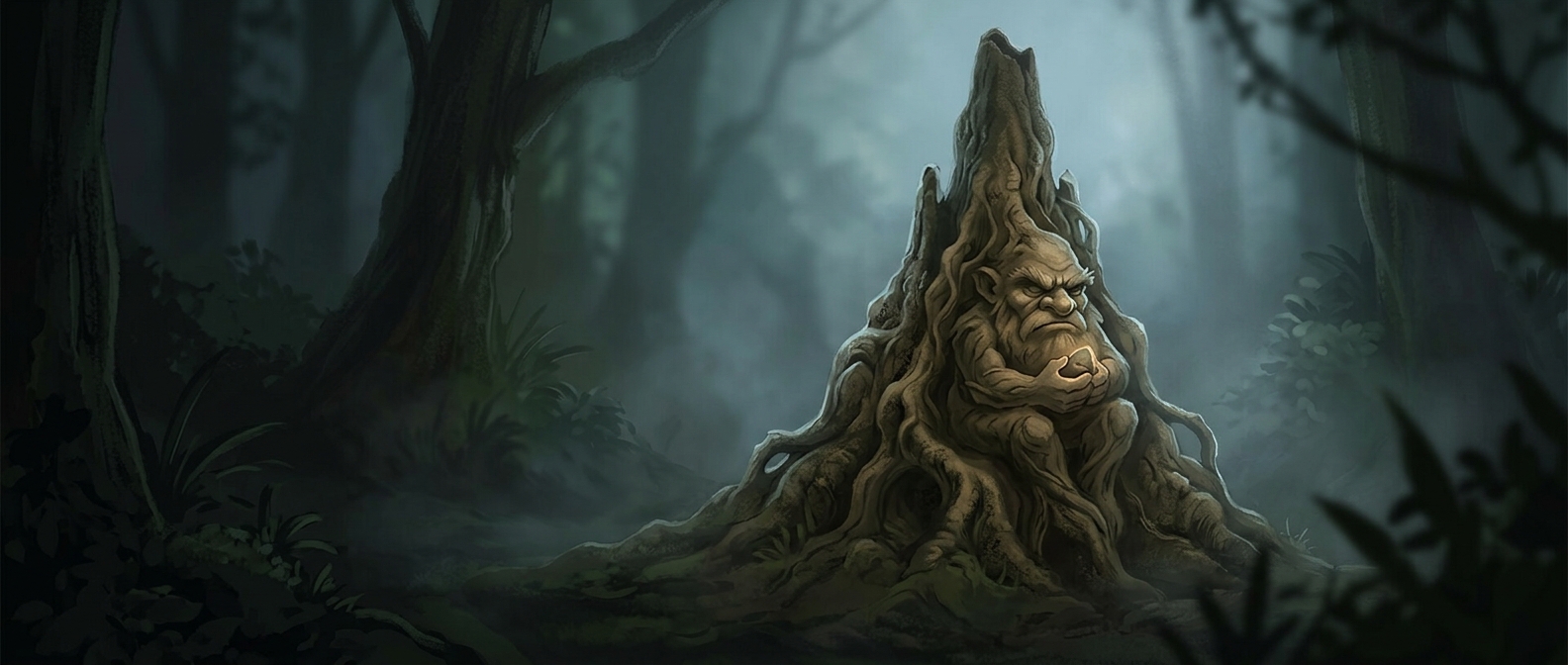
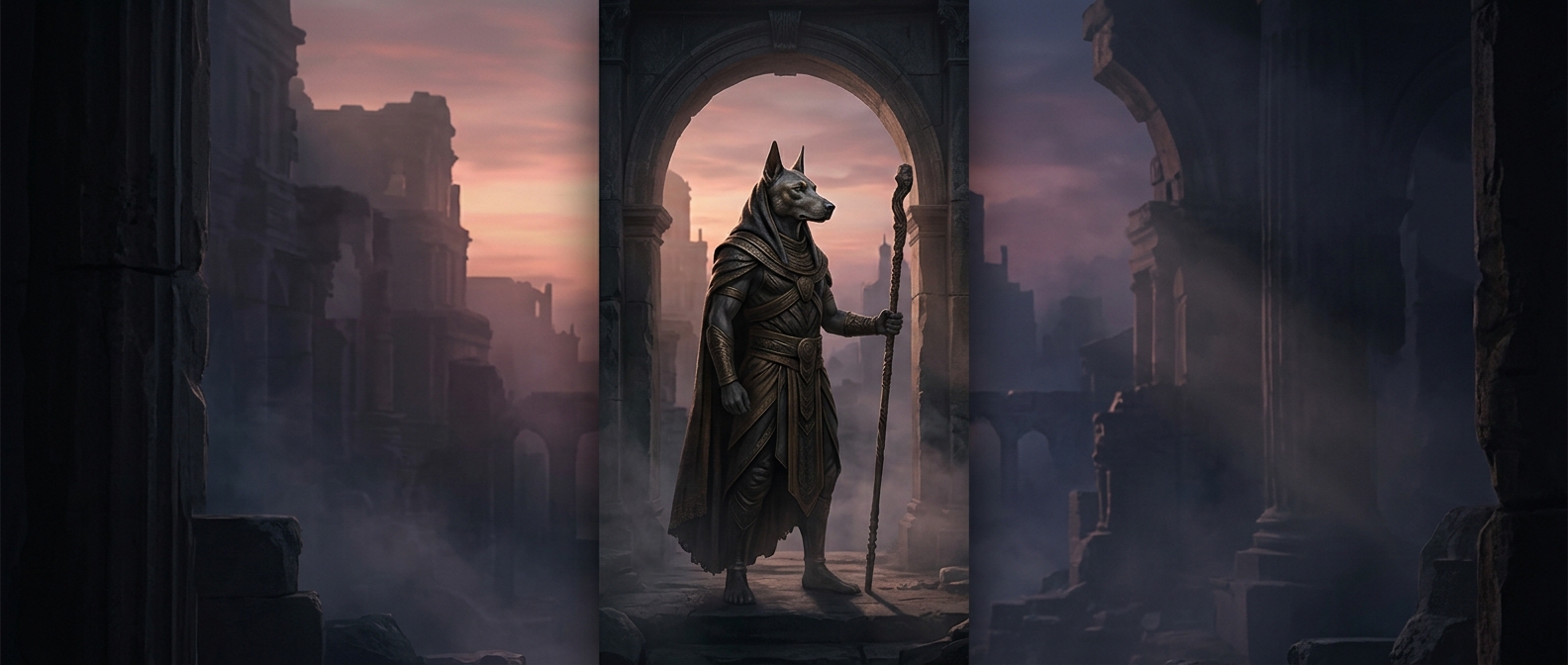
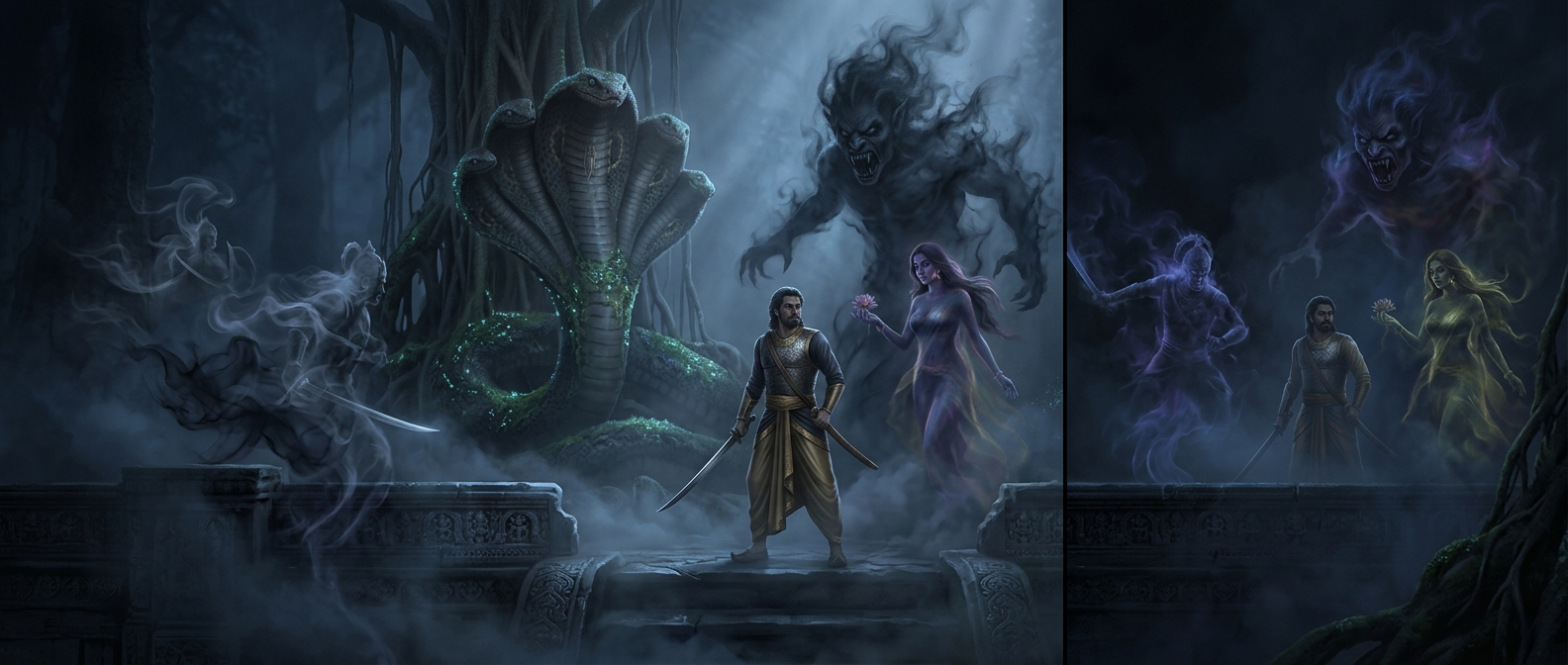
Rakshasas are supernatural beings in Hindu stories, often portrayed as dangerous opponents of gods, sages, or human heroes. Their abilities vary across texts and tellings, but disguise and illusion are recurring ways they gain an advantage: instead of confronting someone openly, a rakshasa may appear harmless, take another form, or make a false scene seem real.
This kind of magic is sometimes described through the idea of maya—an appearance that conceals what is actually happening. In a story, the illusion is more than a trick of sight. It exploits trust and attention, leading a character to make a choice they would not make if they knew the truth.
A Disguise Can Change the Course of a Story
A well-known example appears in the Ramayana. The rakshasa Maricha takes the form of a beautiful golden deer. Sita asks Rama to pursue it, and the deception draws him away from her; the resulting separation helps Ravana abduct her. The episode makes the illusion a practical weapon: its power lies in steering people’s actions, not merely startling them.
Stories like this use darkness and deception to make danger difficult to recognize. The threat may look appealing or familiar until the consequences reveal what it is. That dramatic turn is why an apparently magical disguise can matter as much as a direct battle: it can move the hero away from safety before anyone understands the trap.