The military problem was control, not lift
A parachute can bring a person down without an engine, but it offers limited ability to choose where to land. For a military landing, that difference matters: a useful descent needs to reach a suitable patch of ground, not merely slow the fall. A compact glider offered another option—one that could travel forward and be steered while descending.
How a flexible wing makes that possible
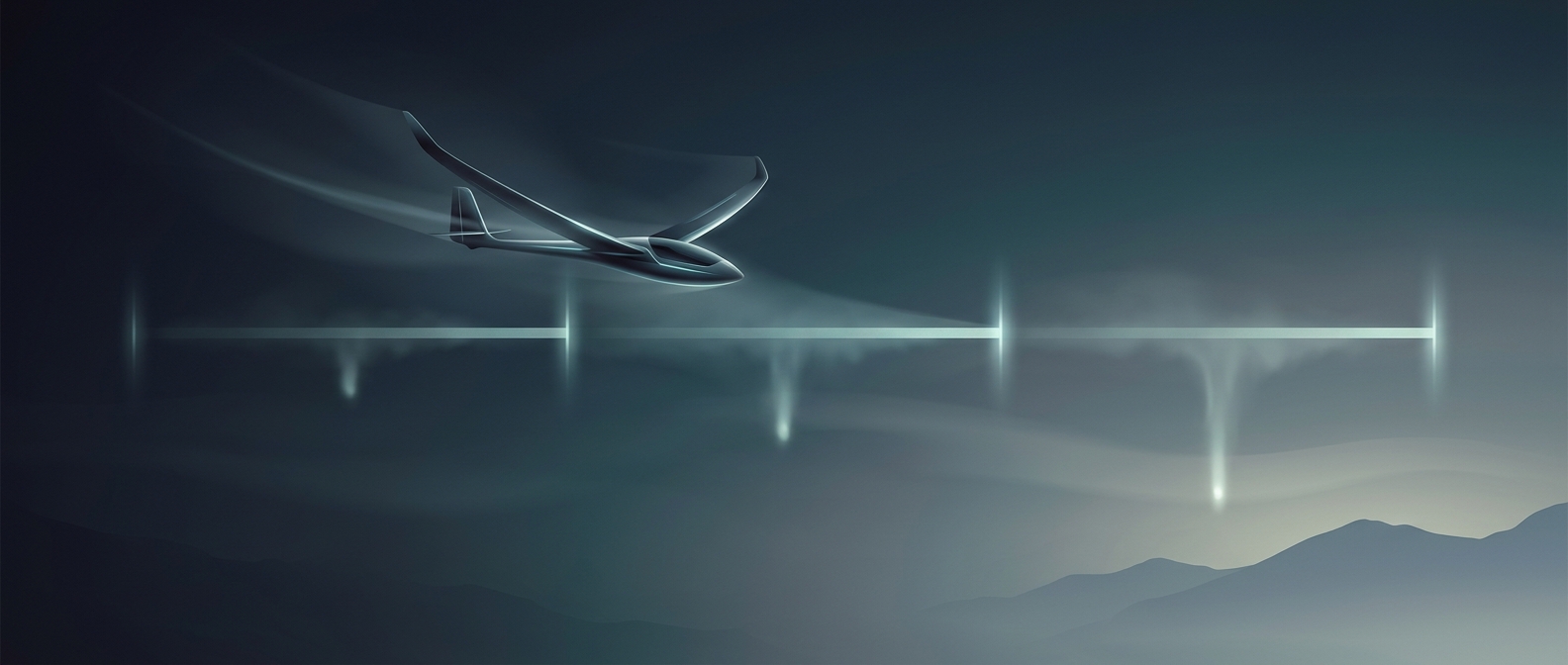
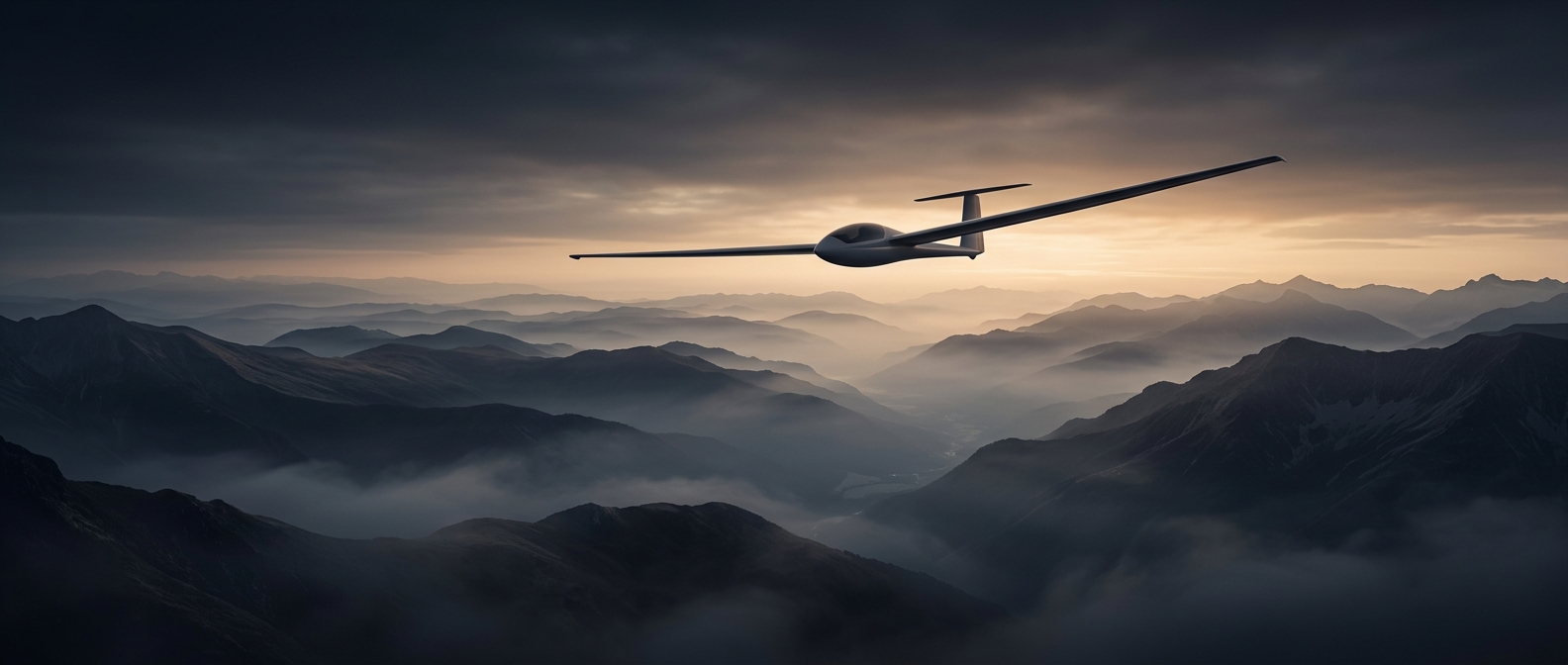
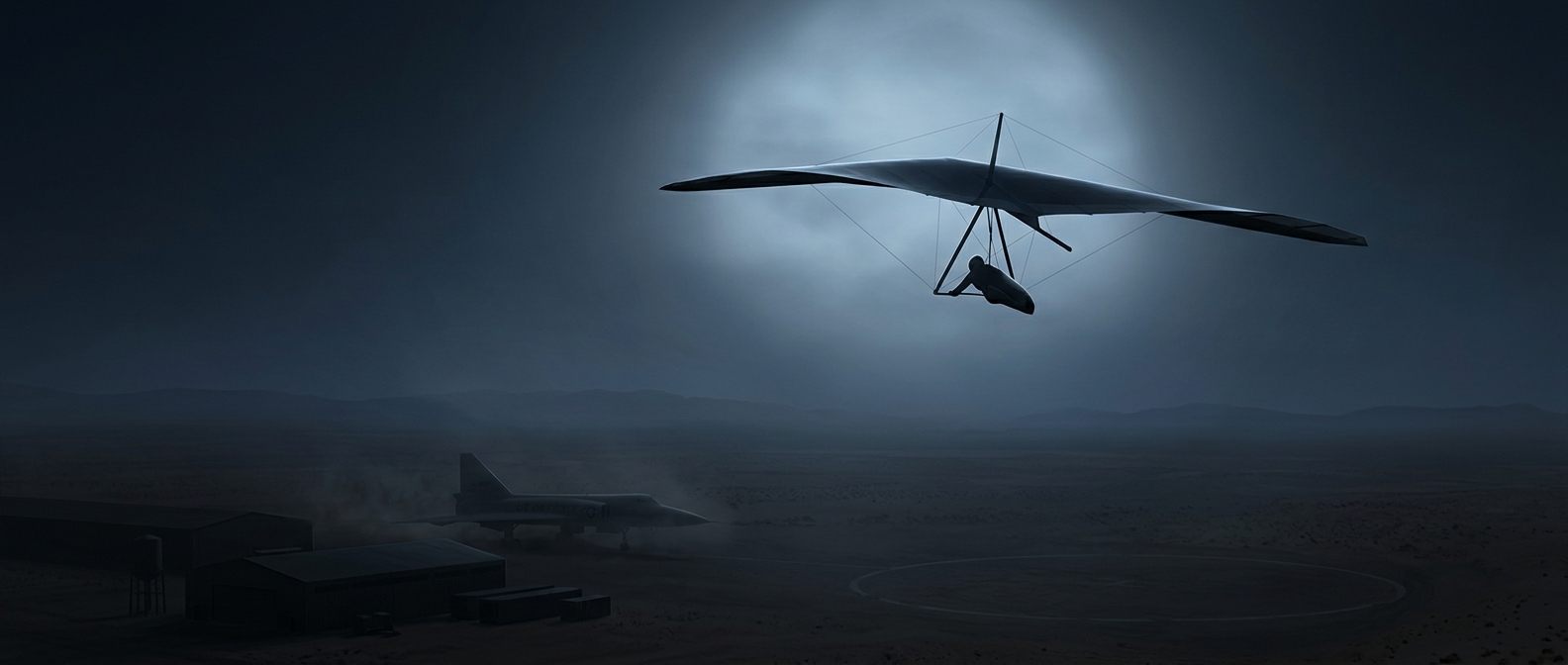
A hang glider’s fabric wing is stretched over a lightweight frame. In flight, the wing’s shape redirects the air flowing past it, producing lift. The glider still loses altitude; it has no engine to keep it aloft. But as it descends, it can move forward, giving the pilot time and distance to aim for a landing area.
The pilot steers by shifting body weight, changing the wing’s balance and direction. That makes the design mechanically simple, but it also means the pilot must manage speed and angle throughout the approach. Unlike a parachute, which mainly slows a fall, a glider trades height for controlled travel.
Portability became part of the appeal
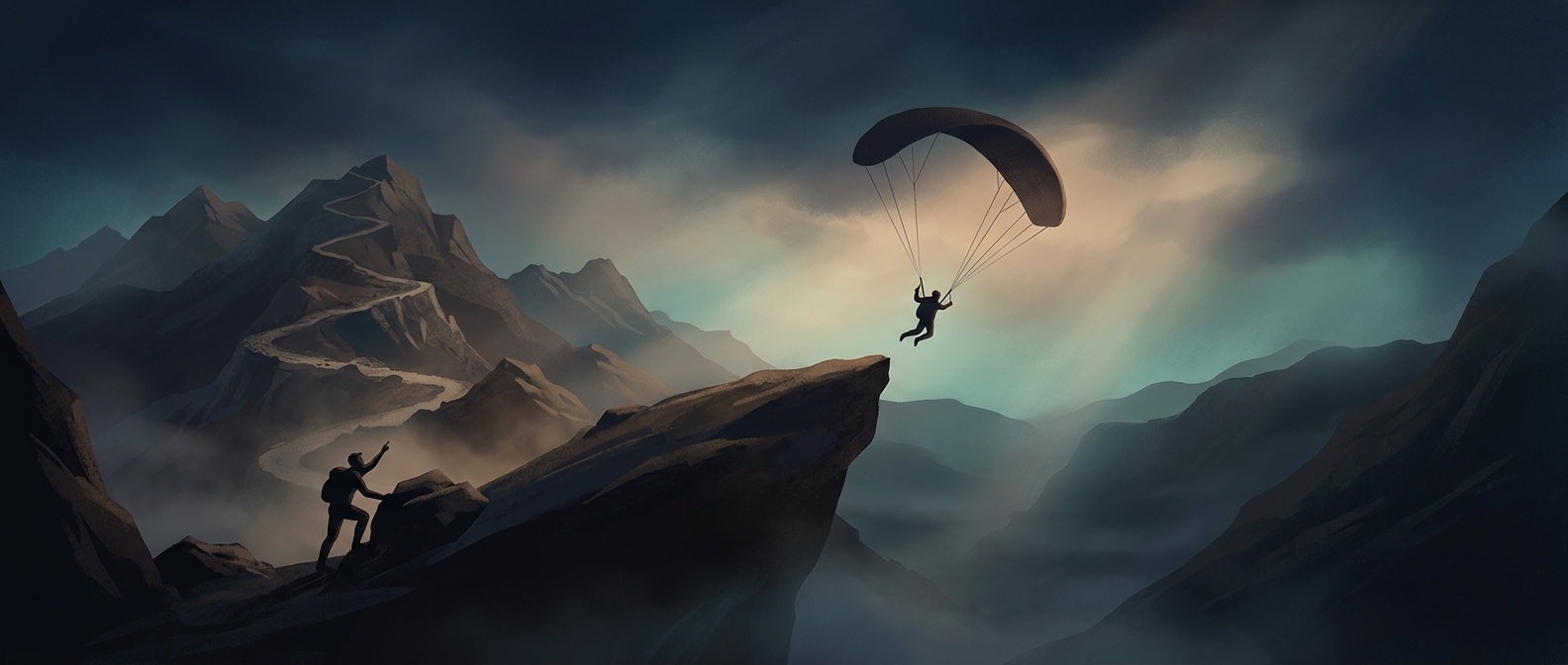
A rigid aircraft depends on an airfield and substantial support. A hang glider’s flexible wing can be packed for transport and deployed for flight, reducing the need for a runway at the landing end. That portability helped turn a solution to a practical landing challenge into a form of recreational flying: a pilot can launch from a slope, use rising air when conditions allow, and steer toward an open landing spot.
The enduring tradeoff is simple: less equipment and no engine, in exchange for relying on altitude, air currents, and the pilot’s control of the wing.