How friction makes a blister
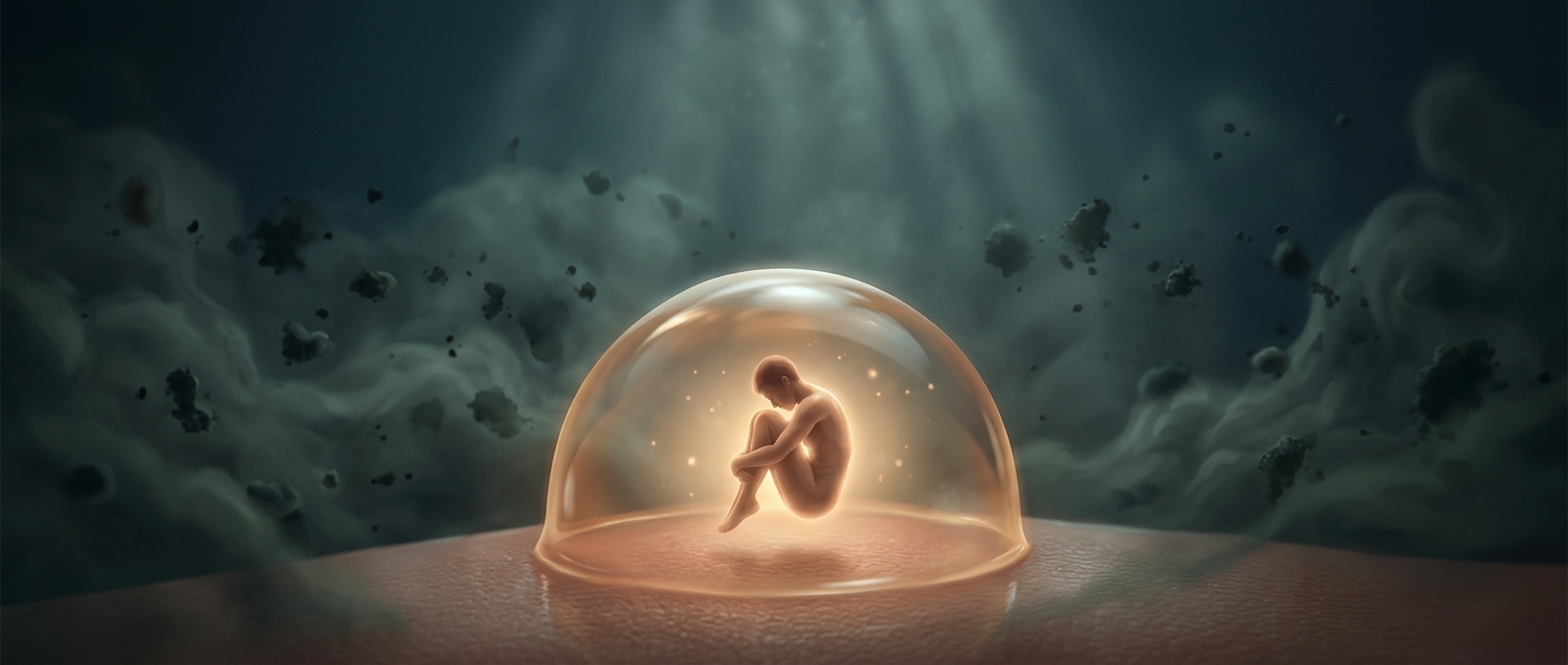
Repeated rubbing pulls the outer skin layer away from the tissue beneath it. The small pocket that forms fills with fluid as the body responds to the injury. That separation is why even a modest blister can sting: pressure or movement tugs at already irritated tissue.
Let the roof do its job
Keeping the blister intact gives the skin underneath time to repair while reducing exposure to dirt and germs. To limit further rubbing, ease pressure on the spot and cover it with a clean, soft dressing. Avoid putting adhesive directly on the blister if it can be placed around it instead.
If it breaks on its own, gently clean the area, leave the loose skin in place, and cover it with a fresh dressing. That remaining skin can still shield the tender surface; pulling it off may leave the area more vulnerable and painful.
When it needs attention
Get medical advice if the area becomes increasingly red, warm, swollen, or painful, or if pus appears—possible signs of infection. A blister caused by a burn, or one that is large, unusually painful, or difficult to protect, may also need care. The practical payoff of leaving the cover intact is simple: the raw skin gets a chance to heal without being exposed at every step.