Why the bubbles form
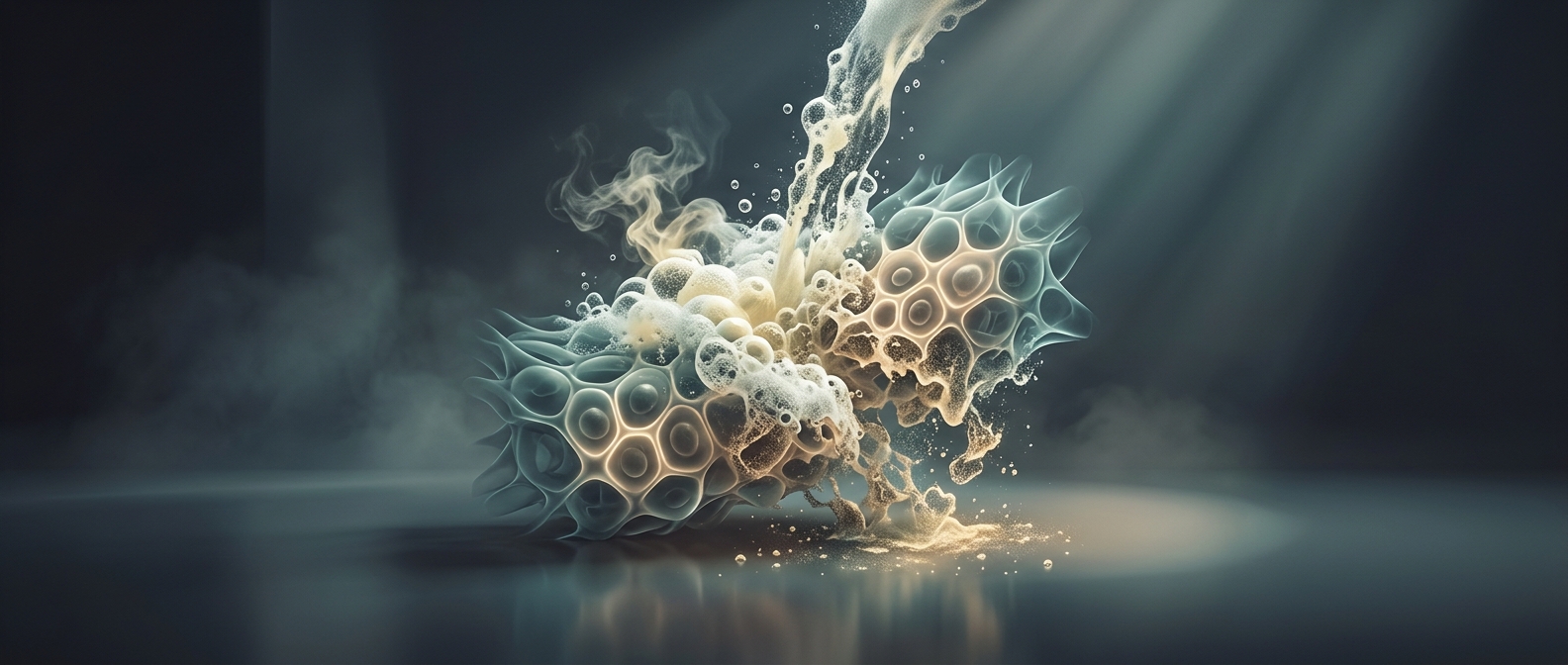
Hydrogen peroxide is an unstable molecule: it can break down into water and oxygen. Blood and many body cells contain an enzyme called catalase, which speeds up that breakdown. When peroxide reaches a cut, oxygen escapes as visible bubbles. The reaction can happen whether or not germs are present, so the fizz is not a measure of how clean the wound is.
The reaction is not selective
Peroxide can harm microbes by oxidizing them—chemically altering molecules they need to function. But it does not reliably distinguish a bacterium from a healthy human cell. Cells involved in rebuilding skin, including those that make new tissue and cover the wound, can also be injured by oxidative stress.
That matters because healing depends on living cells moving into the damaged area, making new tissue, and restoring the skin’s barrier. Irritating or damaging those cells may slow that work rather than speed it up. A wound can therefore look dramatically active while its repair process is not being helped.
Cleaning without disrupting repair
For many minor cuts, rinsing with clean running water helps wash away dirt without exposing the wound to a harsh oxidizing chemical. Soap can be used on the surrounding skin. The useful takeaway is simple: bubbles show that peroxide is reacting with tissue, not that healing is happening faster.