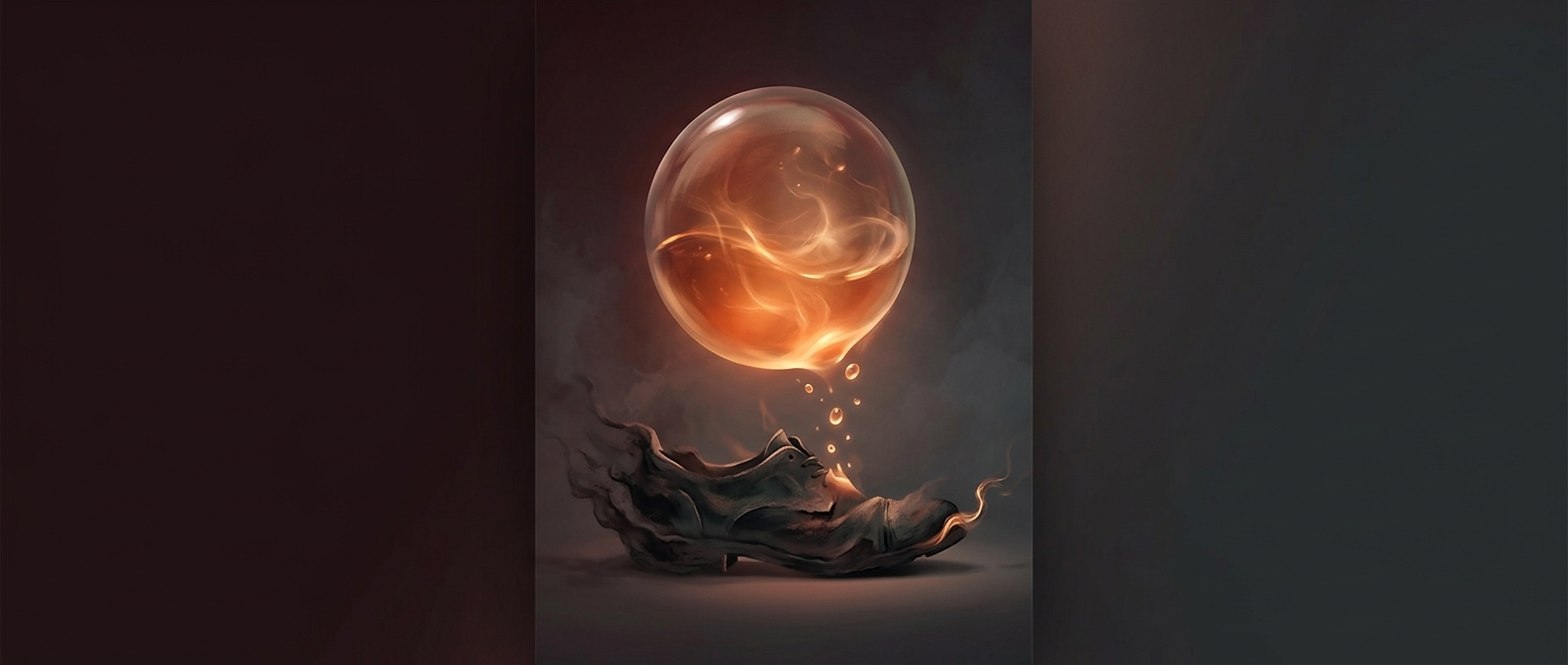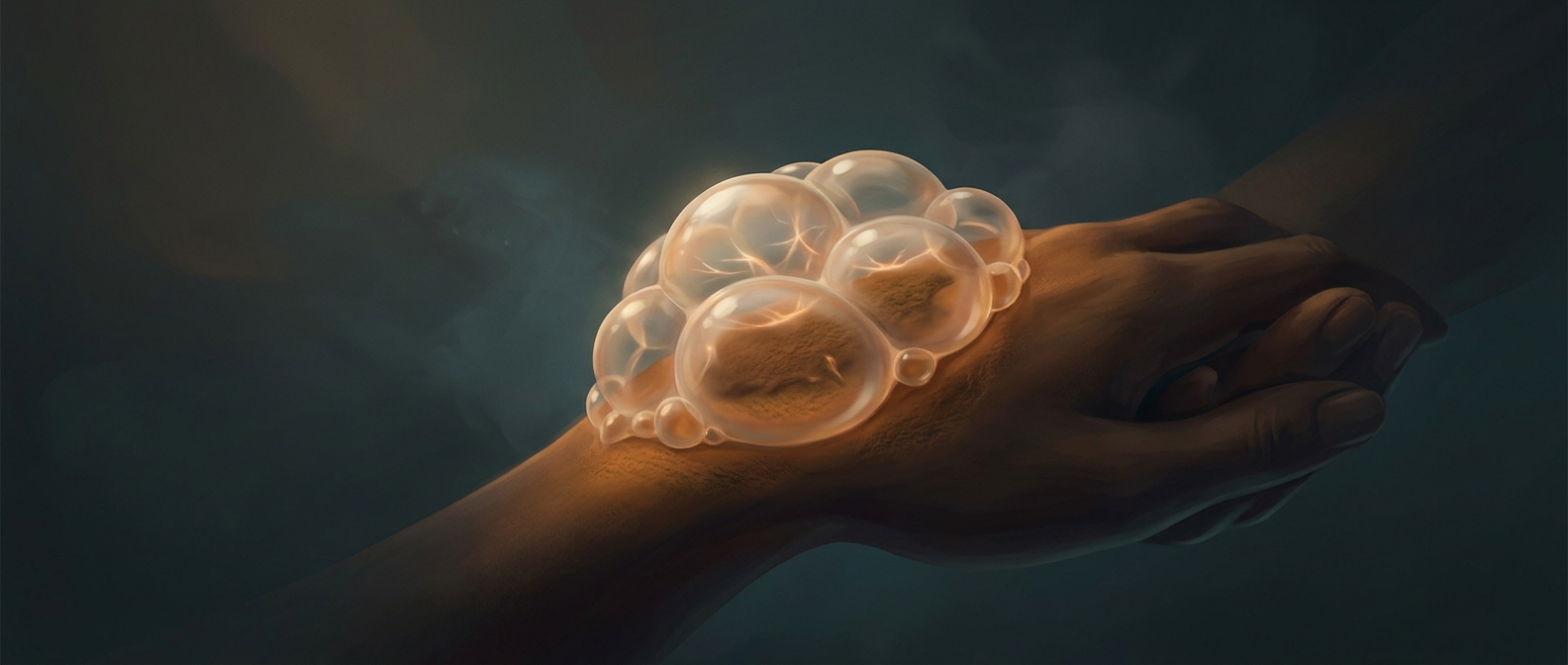
How friction turns into a fluid pocket
Repeated rubbing makes the skin’s outer layer shift against the tissue underneath. When the stress is strong or persistent enough, the layers separate. Tiny blood vessels in the area leak fluid into the gap, forming a raised pocket; the clear fluid is mostly the watery part of blood, not a sign that the skin has filled with air.
The pocket changes the mechanics of the injury. Instead of every step or brush pressing directly on the tender tissue, the fluid can spread some of that pressure across the space. The blister’s thin outer layer also covers the exposed area, helping shield it while the skin repairs the separation.
Why the roof matters
As new skin forms beneath the blister, the fluid is gradually reabsorbed and the raised area flattens. If the roof tears, the raw surface underneath is exposed to more rubbing and germs. That can make the spot more painful and raise the chance of infection, so an intact blister is generally best left undisturbed; reducing the friction that caused it gives the skin a chance to heal.
That is why a blister can be both a warning and a cushion: it signals that rubbing has already injured the skin, while the pocket and its covering limit further damage until the layers reconnect.