Why a blister fills with fluid
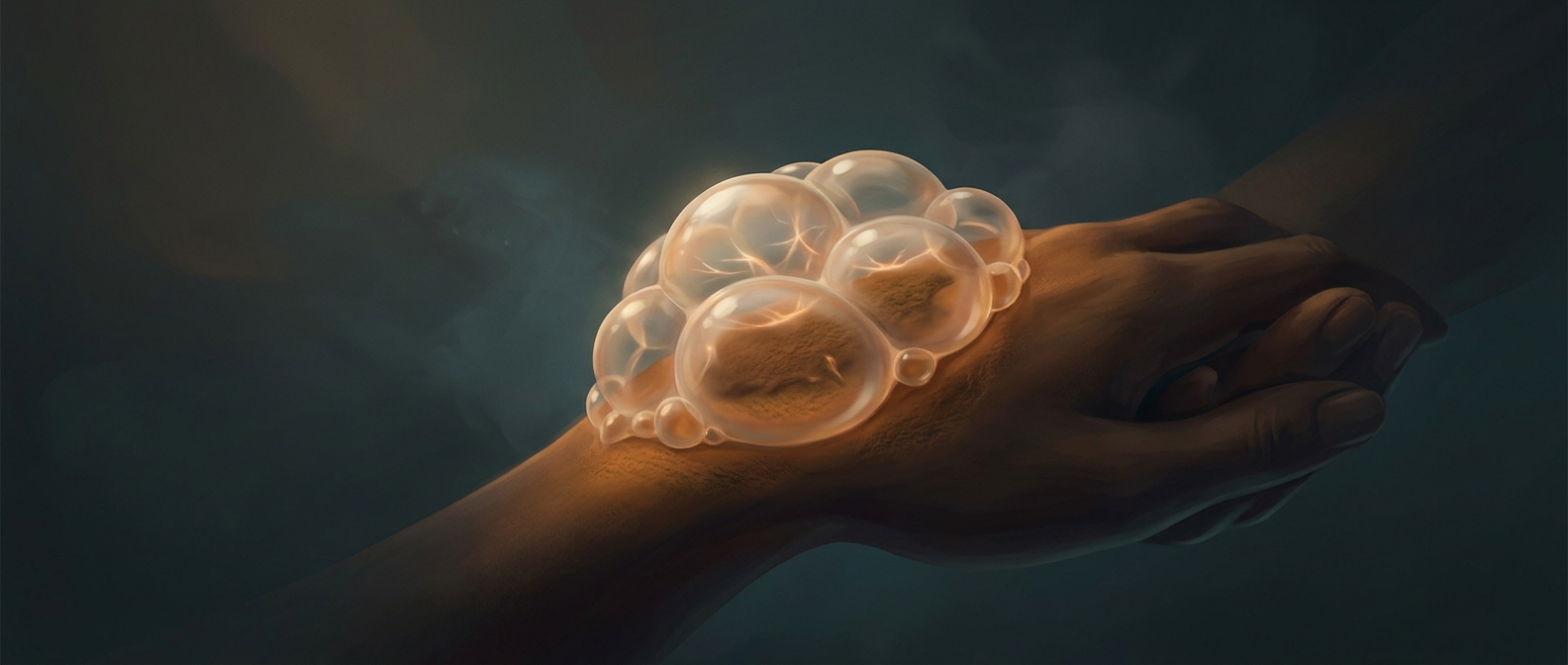
The outer layer of skin is built from tightly joined cells, but repeated friction can make adjacent layers shift at different speeds. When the upper layer pulls away from the tissue beneath it, a small gap opens. Fluid seeps into that gap, forming a blister—a raised cushion that partly shields the injured area from further rubbing.
That cushion can still hurt. The separated skin is stretched, and pressure from a shoe or the ground can tug on sensitive tissue around it. The fluid itself is not the main source of pain; movement and pressure on the damaged layers are.
Why the same shoe keeps causing trouble
A stiff heel, narrow toe box, or rough seam can concentrate force on one small patch instead of spreading it across the foot. Each step repeats the motion, so a spot that initially feels only warm or irritated may become increasingly tender. Moisture can soften skin, making it more vulnerable to friction, while a shoe that slips can add extra sliding with every stride.
A blister’s roof—the intact skin over the fluid—helps protect the raw surface underneath. Leaving it in place when possible reduces exposure to dirt and further rubbing. If the area is painful, covering it with a clean dressing and easing the pressure can help; continued friction can enlarge the pocket or tear its protective cover. The practical clue is simple: a blister that keeps returning in exactly the same place usually points to a repeated fit or contact problem, not just an unlucky step.