Why anesthesia is not ordinary sleep
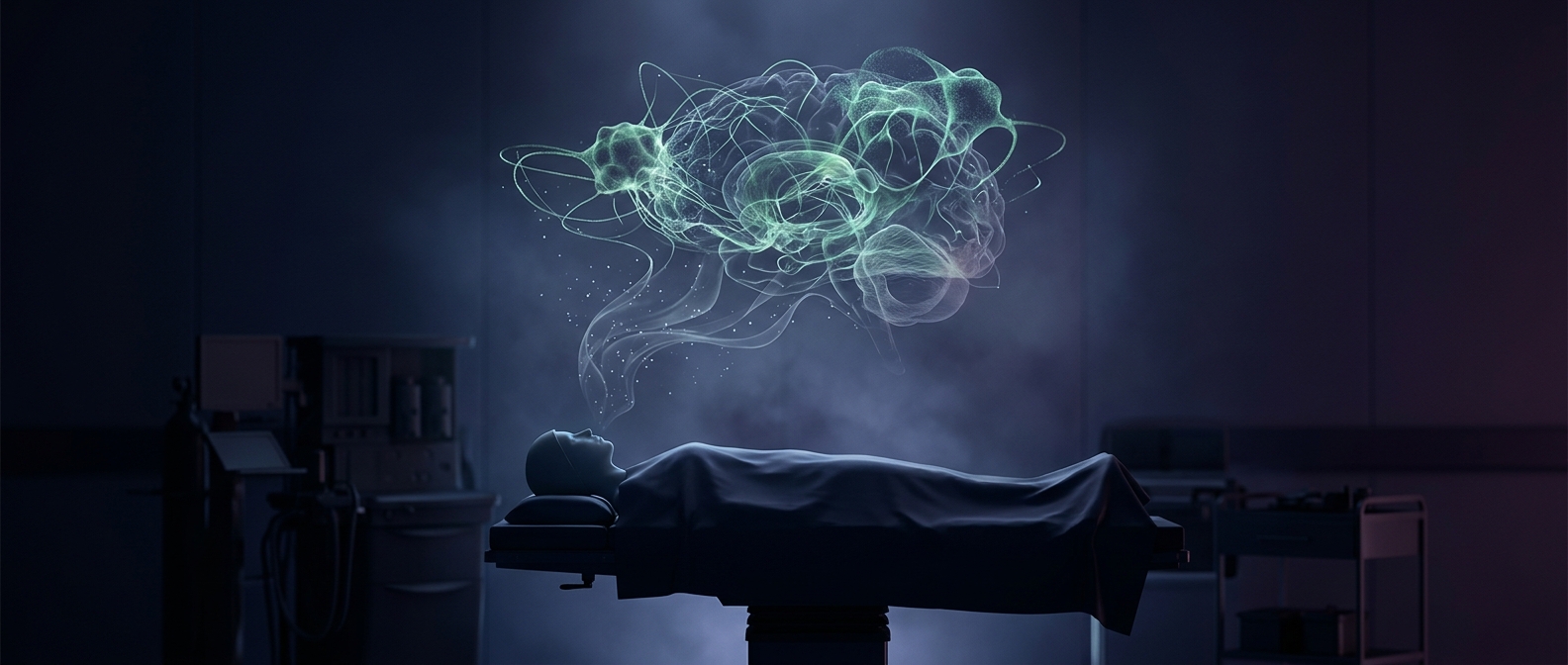
Sleep is an active process, not an off switch. Across the night, the brain cycles through distinct stages, and it keeps coordinating basic functions while remaining responsive enough that a loud noise or touch can wake you. General anesthesia is different: medications deliberately disrupt the brain activity that supports consciousness and awareness, while also reducing responses to painful stimulation.
That is why clinicians sometimes compare anesthesia to a medically controlled coma. The comparison is about the loss of consciousness and responsiveness—not a claim that the two states have the same cause or course. Sleep arises from the body’s own rhythms; anesthesia is produced by drugs and can be adjusted or reversed as those drugs wear off or are stopped.
A managed state, not just deeper sleep
An anesthesiologist selects and adjusts medication to keep a patient unconscious and still for a procedure. At the same time, the care team watches vital functions such as breathing, circulation, and oxygen levels. Anesthesia can affect these functions, so maintaining unconsciousness is only part of the job: the team must also respond to changes in the body while the operation is underway.
The medicines act on brain systems involved in communication between nerve cells. By altering that signaling, they prevent the coordinated activity needed for conscious awareness. Different drugs can contribute to different parts of anesthesia, such as unconsciousness, reduced pain responses, or muscle relaxation.
Why the distinction matters
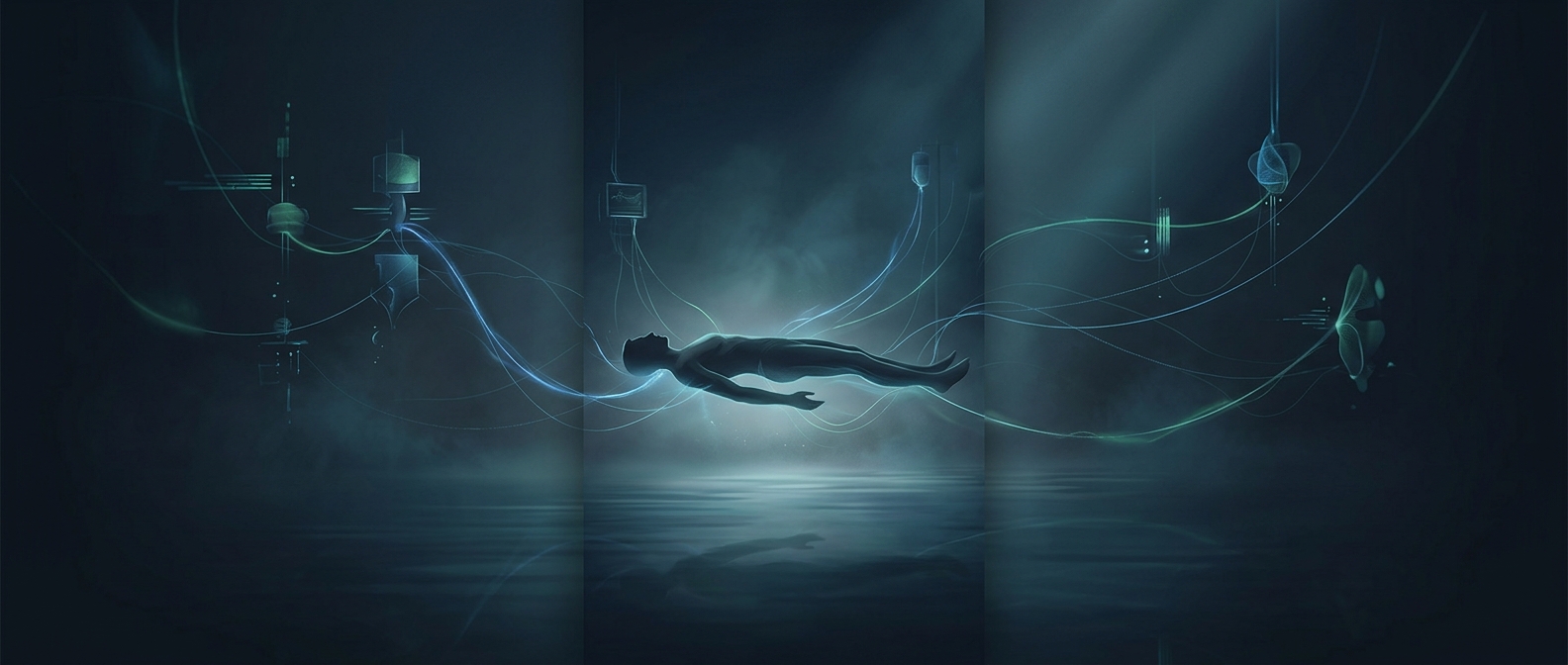
A sleeping person may wake when disturbed; a person under general anesthesia is not simply harder to wake. The drug-induced state is being maintained and monitored, then allowed to resolve so awareness returns. “Closer to a coma than sleep” describes how profoundly consciousness is suppressed, while the controlled, reversible nature of anesthesia makes it a distinct medical state.