Why Venus Seems to Change Sides of the Sun
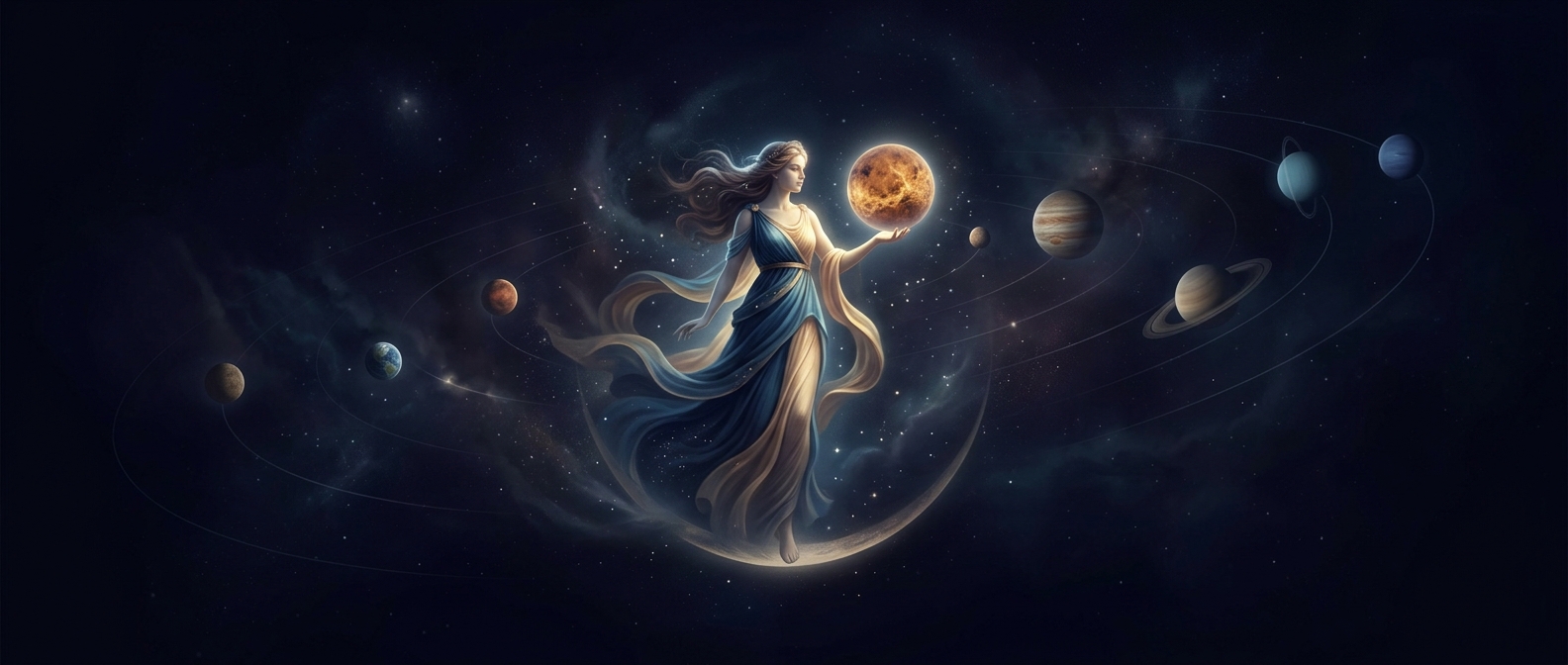
Venus is the same planet whether it appears after sunset or before sunrise. The names “Evening Star” and “Morning Star” describe when it is visible, not two different objects. Its shift between those appearances comes from the changing positions of Venus, Earth, and the Sun.
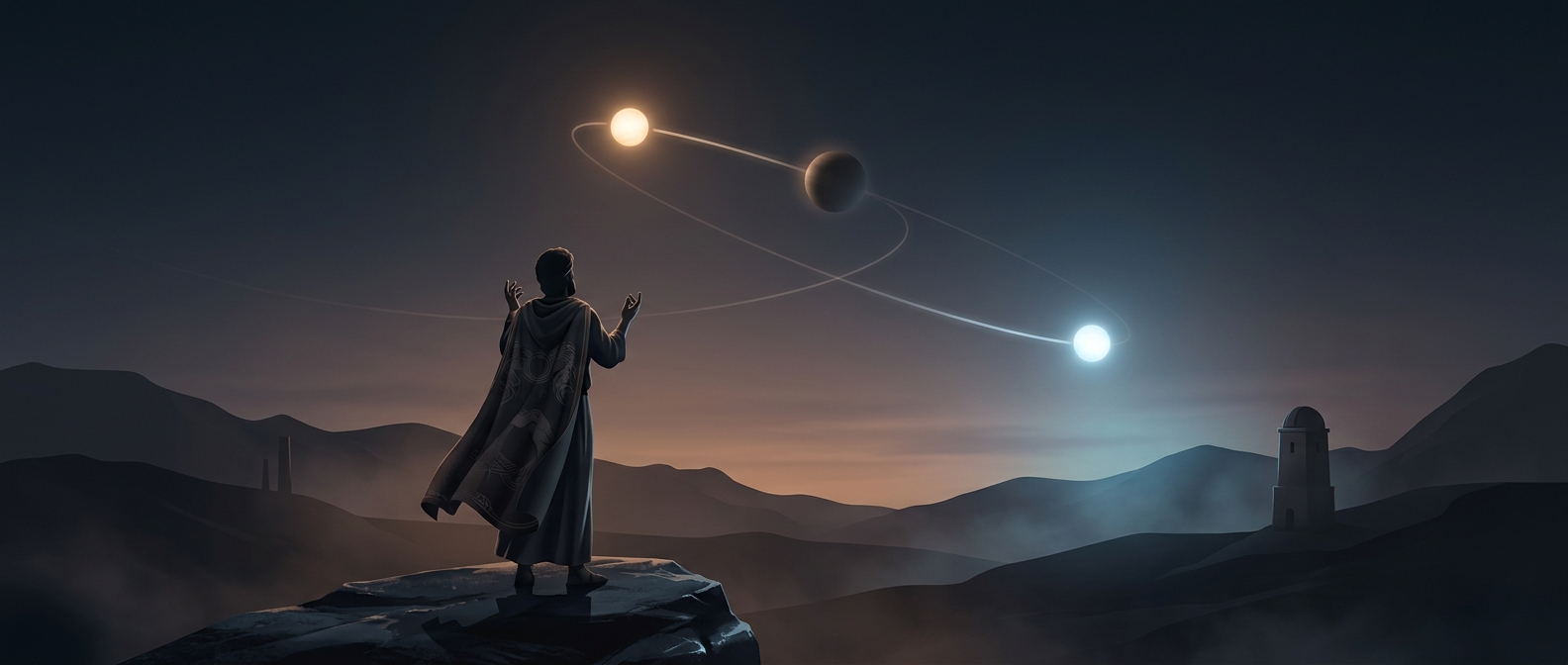
Because Venus orbits closer to the Sun than Earth does, it never appears far from the Sun in our sky. As Venus moves around its orbit, it first appears in the evening sky, then draws close to the Sun’s apparent position. In the Sun’s glare, it becomes difficult or impossible to see. After passing the Sun in the sky, it can emerge on the other side before sunrise.
What Retrograde Means Here
Around this passage, Venus may appear to reverse direction against the background stars. This is apparent retrograde motion: Venus is not physically turning around. From Earth, the changing viewing angle makes its position seem to drift backward for a time, much as a nearby moving object can seem to shift against a distant background as the observer moves.
The close approach to the Sun is called inferior conjunction, when Venus passes between Earth and the Sun. It does not necessarily cross the Sun’s bright disk; most of the time, it passes above or below it from our viewpoint. The surrounding period of poor visibility can make the change from Evening Star to Morning Star feel like a disappearance followed by a return.
Why Astrology Marks the Transition
In astrology, this roughly 40-day transition is treated as a symbolic interval for reconsidering relationships. That interpretation gives meaning to the planet’s apparent pause and change of direction; it is a cultural framework, not an effect established by astronomy. The striking detail is that Venus never becomes another star: the “new” Morning Star is the same planet, seen from a newly changed angle.