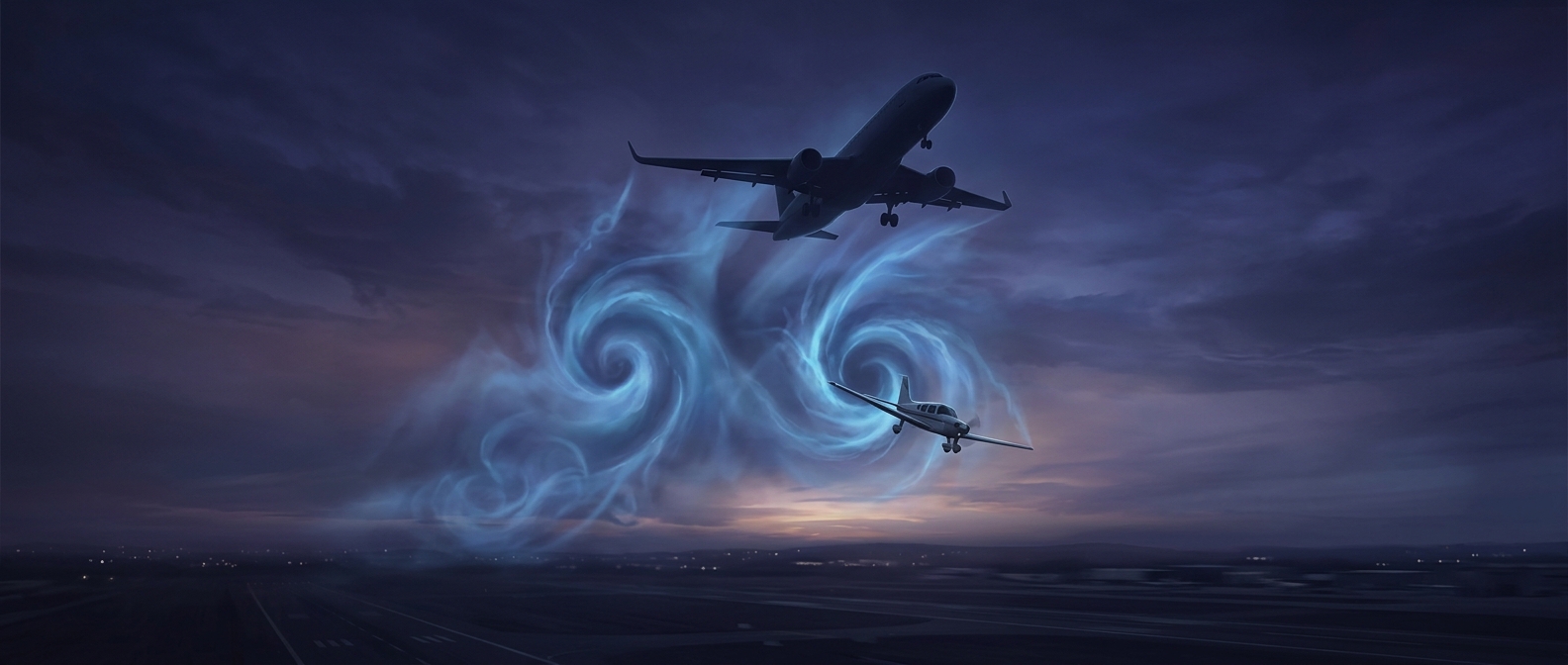
The Power—and Price—of a Huge Wingbeat
A broad wing can move a large amount of air with each downstroke. As the wing presses air downward, the air pushes back upward; repeated strokes can support a flying body. For a magical creature, enchantment might supply the strength or energy that ordinary muscle would struggle to provide, but the wing still has to move through air and fit around the body.
Why Size Helps at Low Speed
More wing surface gives the creature more area to push against the air. That can help it stay aloft without racing forward, and a forceful downstroke can provide both lift and forward motion. The tradeoff is that a larger wing also meets more air resistance when it moves. It takes greater effort to accelerate, stop, or redirect.
That makes oversized wings less like nimble fins and more like long levers. The creature can sweep them through a powerful arc, but changing direction means overcoming their momentum. A quick turn may require slowing the wingbeat, banking the whole body, or using the tail and smaller movements to steer while the wings keep it aloft.
Flight Needs Room
Wing size also shapes where the creature can take off and land. A broad span needs clearance from trees, walls, and the ground; a narrow ledge or crowded street leaves little room for a full stroke. Once airborne, those same wings can be excellent for steady flight, but tight spaces turn their size into a handling problem.
The memorable tradeoff is that enormous wings do not make flight effortless: they exchange compactness and quick maneuvering for powerful strokes and the ability to stay aloft at slower speeds.