Why a wake can roll another aircraft
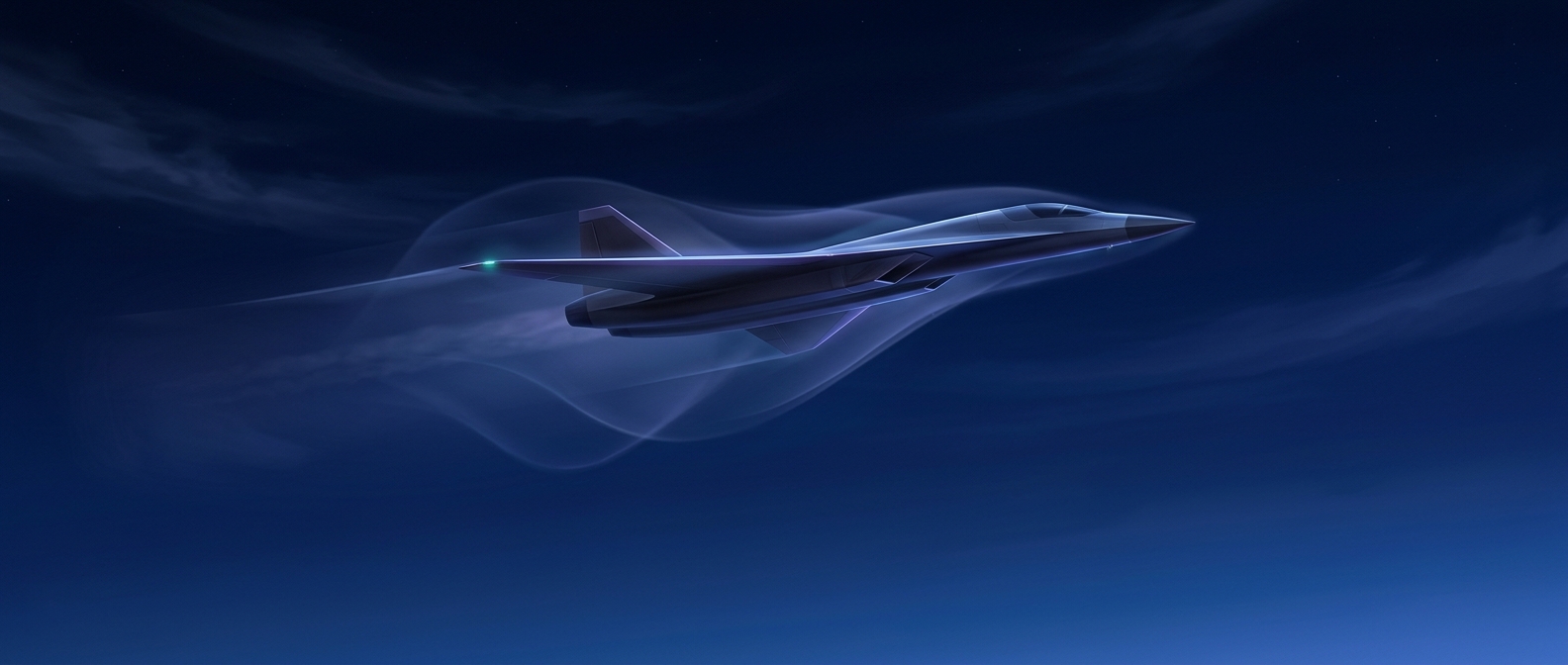
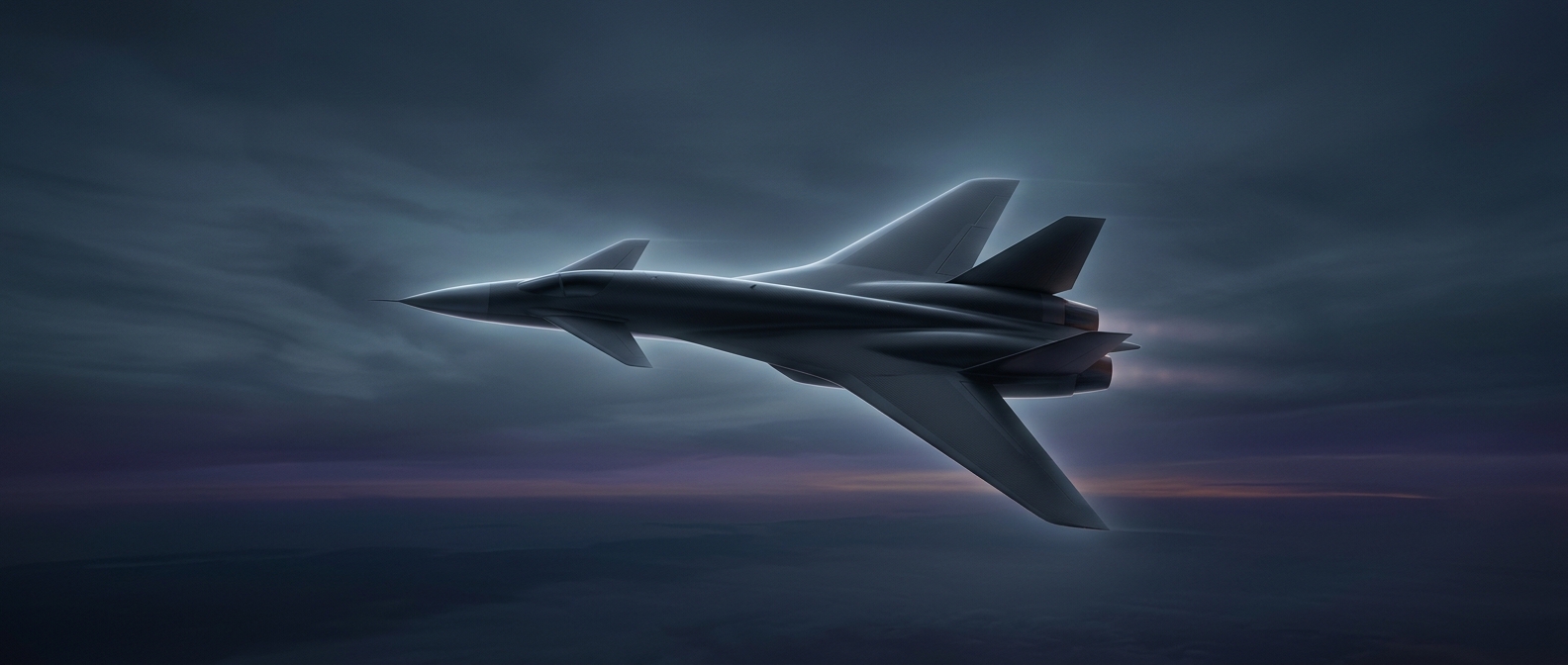
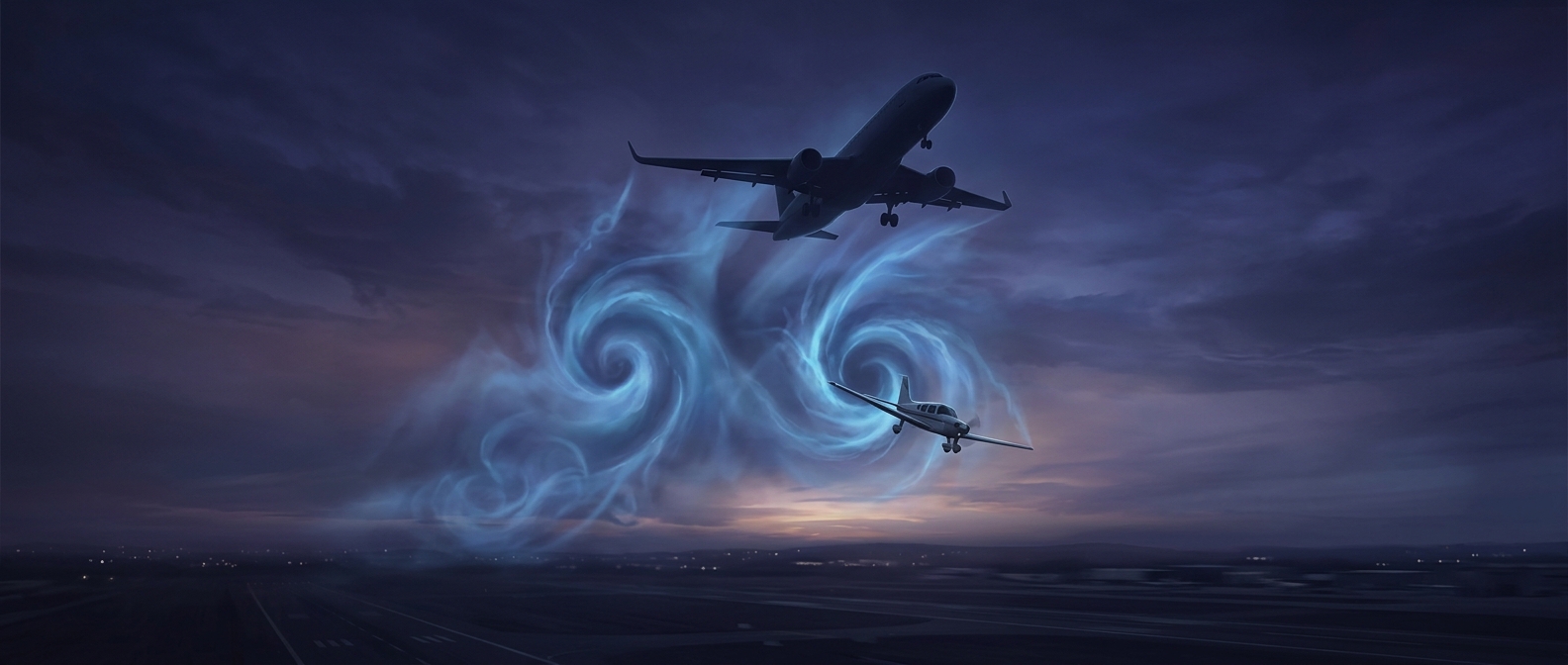
The wingtip swirls do not stay level behind the plane that made them. They sink as they travel and gradually weaken, but for a time they can remain organized enough to give a following aircraft a sudden, uneven push. If one wing crosses a vortex before the other, the difference in airflow can sharply roll the aircraft. The smaller the follower, the more disruptive that disturbance may be.
The risk depends on how the leading aircraft is flying. A heavy aircraft moving relatively slowly can leave a particularly strong wake: it needs to produce substantial lift, and its vortices can persist. The airflow around its wings also matters, so pilots and controllers account for the aircraft’s configuration as well as its size.
Managing an invisible trail
Because pilots cannot see the vortices, avoiding them is a matter of procedure and judgment. Air traffic controllers use separation rules that take wake risk into account, especially when aircraft are close together near an airport. Pilots may also avoid flying directly through the path of a preceding aircraft, or stay above its flight path where conditions and instructions allow.
Wind changes the picture. A crosswind can carry a vortex toward or away from a runway, while light winds may let it linger near an approach or departure path. That means the danger is not simply “behind the plane”: it depends on where the wake has drifted and how long it has had to weaken. The invisible turbulence is one reason aircraft on the same route may still need extra space.