The booklet was part of the game before it started
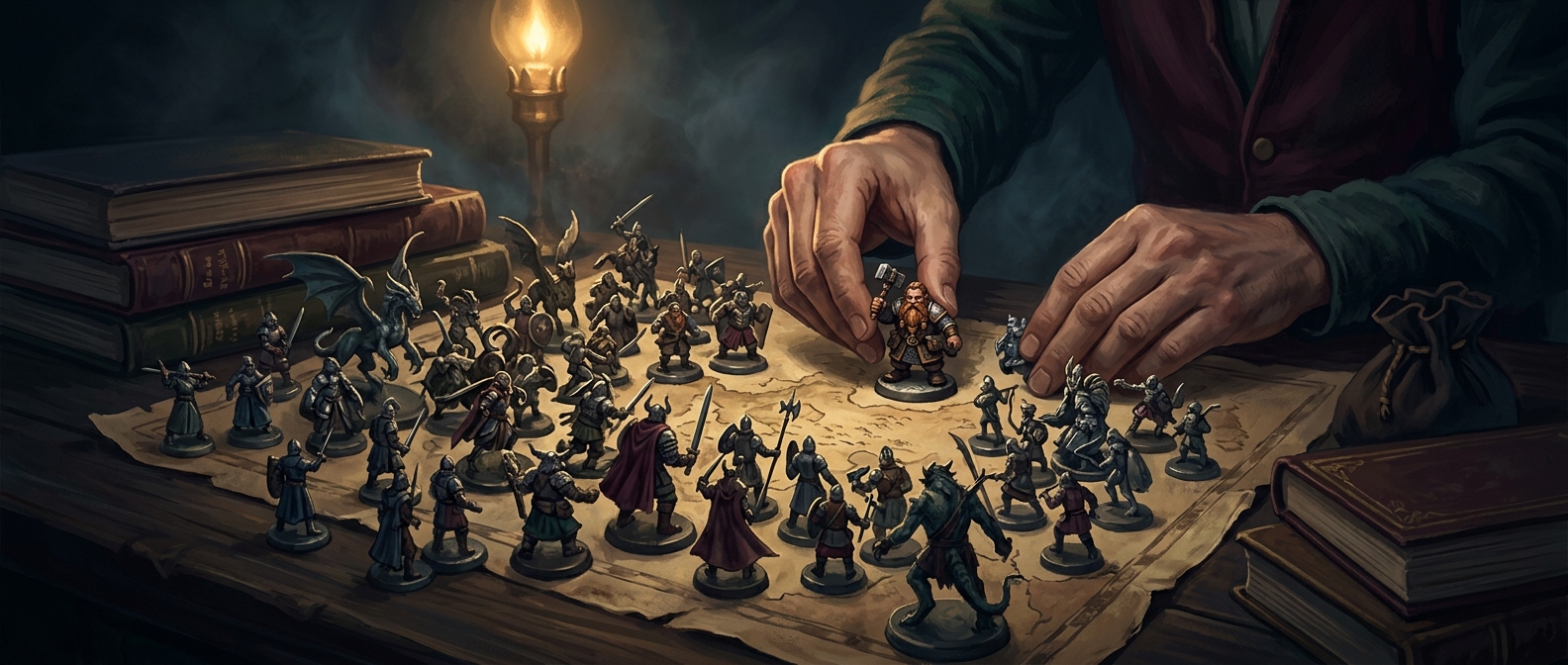
A printed game booklet did more than explain which buttons to press. It gave players a small, portable introduction to the game’s world: character profiles, maps, illustrations, and bits of backstory could turn the minutes before play into part of the experience. The case held both the game and a preview of its imagination.
The control pages had a practical job, too. They let players look up moves or menus without pausing to search through the game. That mattered especially when instructions were not built into play in the way many games now teach actions through prompts and tutorials.
Why the paper disappeared
A booklet only made sense when a physical disc or cartridge came in a package that could hold printed material. As games increasingly became downloads—or physical cases included a code instead of a playable disc—the package stopped being the natural home for a full manual. A small code slip can do the one job the buyer needs: provide access to the game.
Instructions also moved onto screens. A game can introduce controls as the player encounters them, while searchable menus and online help can replace a paper reference. That shift makes guidance easier to update and frees designers from explaining everything before the game begins.
What a code slip can’t carry
A code still delivers the game, but it does not reproduce the booklet’s physical extras. A printed illustration or character note could be browsed away from the screen and kept after the game was finished. The change is therefore more than thinner packaging: it moves the game’s supporting material from an object players could own and revisit into the game or the digital services around it.