stackyFACTS
Transport

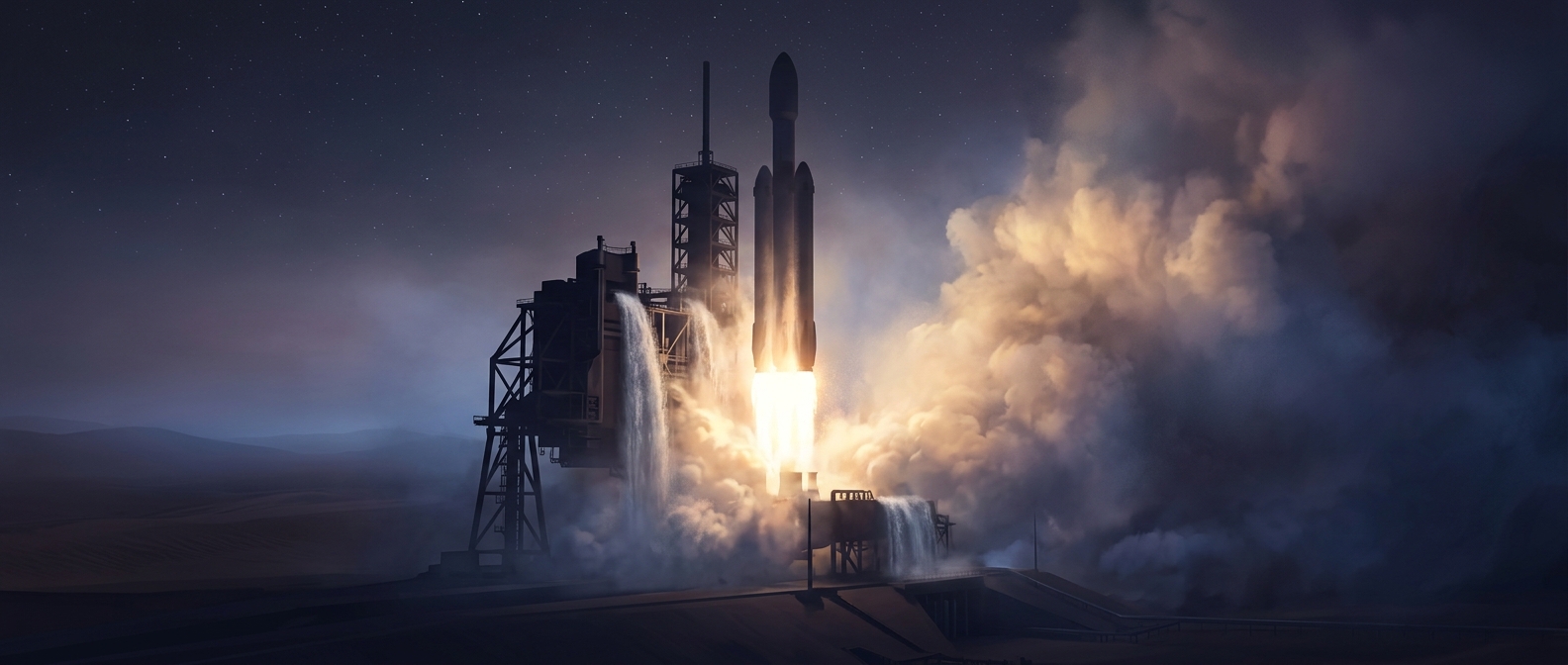
Rocket exhaust plumes expand wildly in a vacuum

HERE’S THE INTERESTING PART

Without atmospheric pressure physically holding the flame tight, rocket fire goes entirely out of control. Once in deep space, the searing hot exhaust gases violently expand entirely sideways, creating a terrifyingly massive glowing bulb of plasma behind the nozzle.
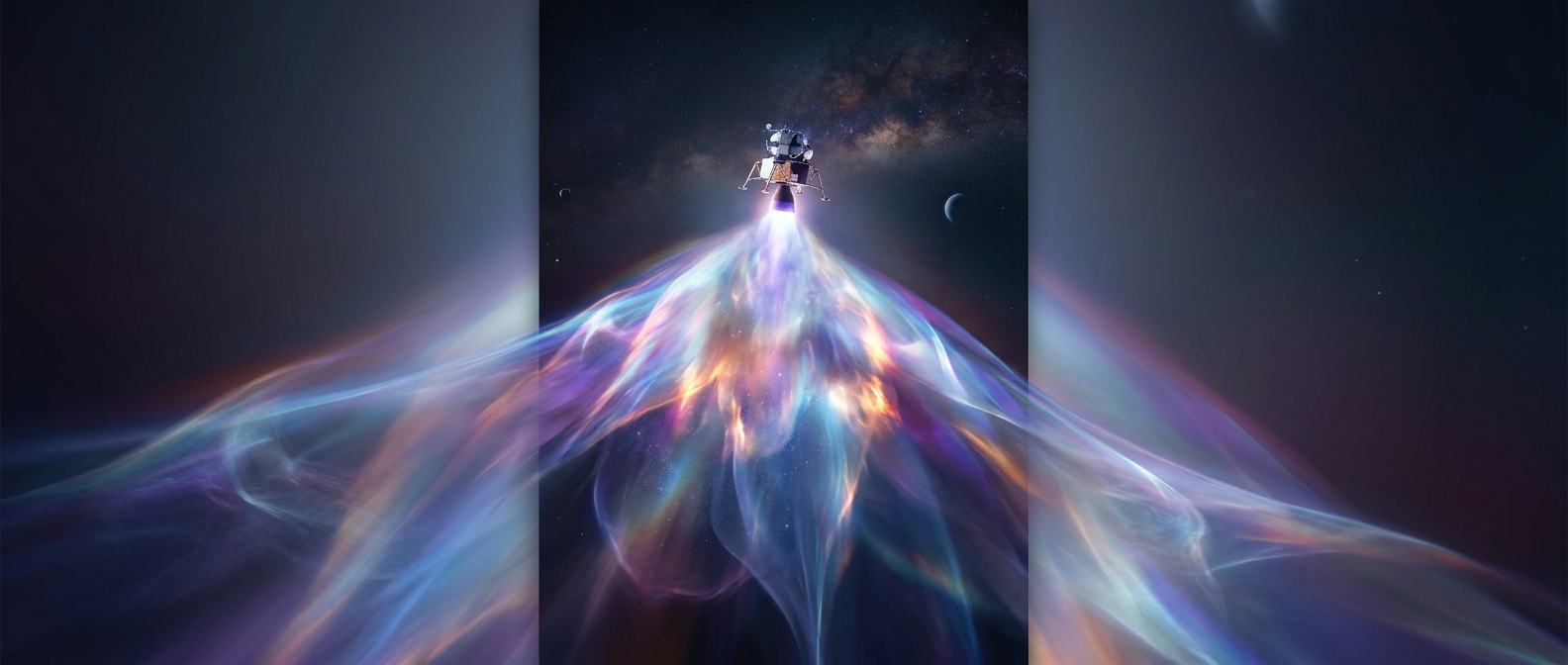
Rocket exhaust plumes expand wildly in a vacuum
STACKY / Transport
One discovery leads to another.

Keep exploring facts in this topic.

Transport →

STACKY FOR IPHONE

A bigger world.
One discovery
at a time.

Keep discovering with Stacky. Interesting facts in an app that is always within reach.

Download on the App Store
ONE MORE DISCOVERY?

Keep exploring

All in this topic →
Why launch pads flood the ground with water
Transport

Why launch pads flood the ground with water

Rockets are so outrageously loud that the acoustic shockwaves would literally shatter their own parts. To prevent the rocket from screaming itself to death,…

Discover more
How Endeavour became an LA traffic problem
Transport

How Endeavour became an LA traffic problem

Moving a retired spacecraft through Los Angeles streets required chopping down hundreds of trees just so the wings would fit. The massive vessel crawled…

Discover more
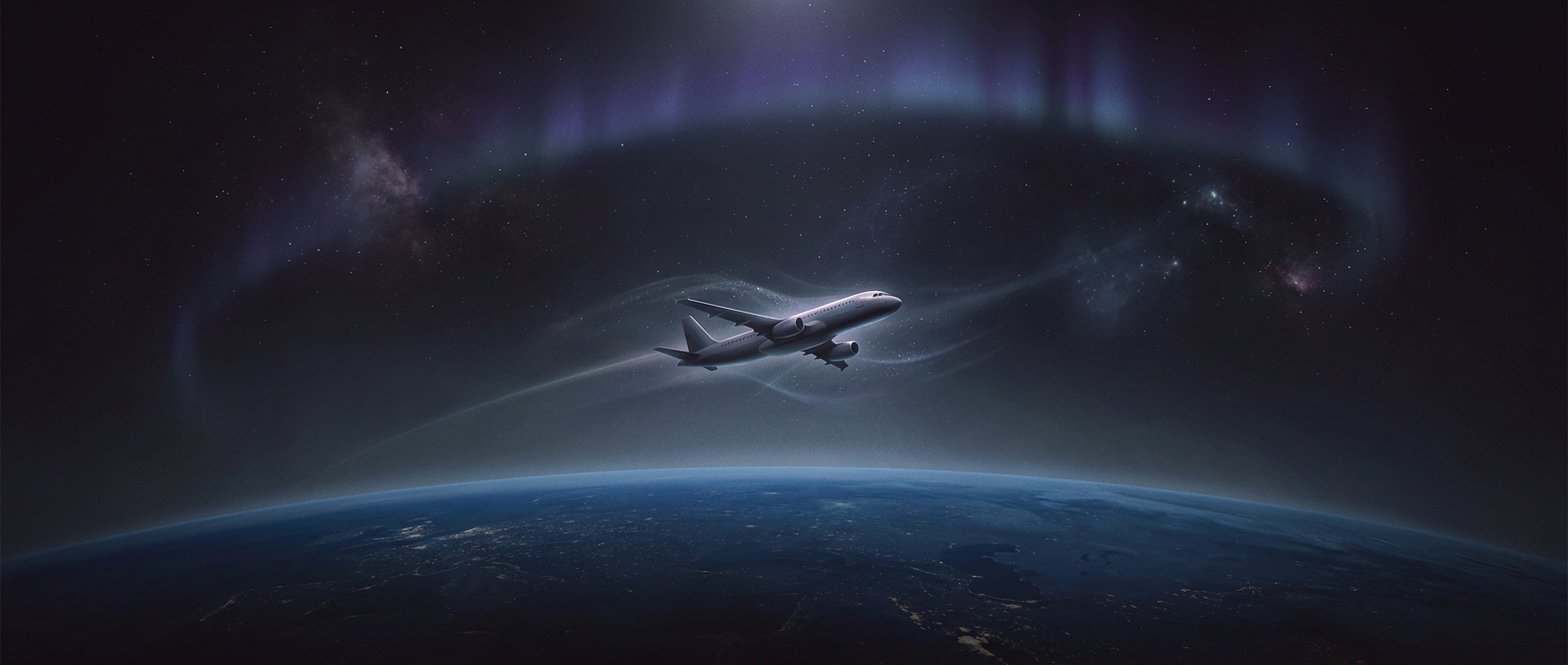
Why flying exposes you to more cosmic radiation
Transport

Why flying exposes you to more cosmic radiation

Every time you casually fly across the globe, you are getting bombarded by cosmic radiation. Leaving the protective blanket of the lower atmosphere means your…

Discover more
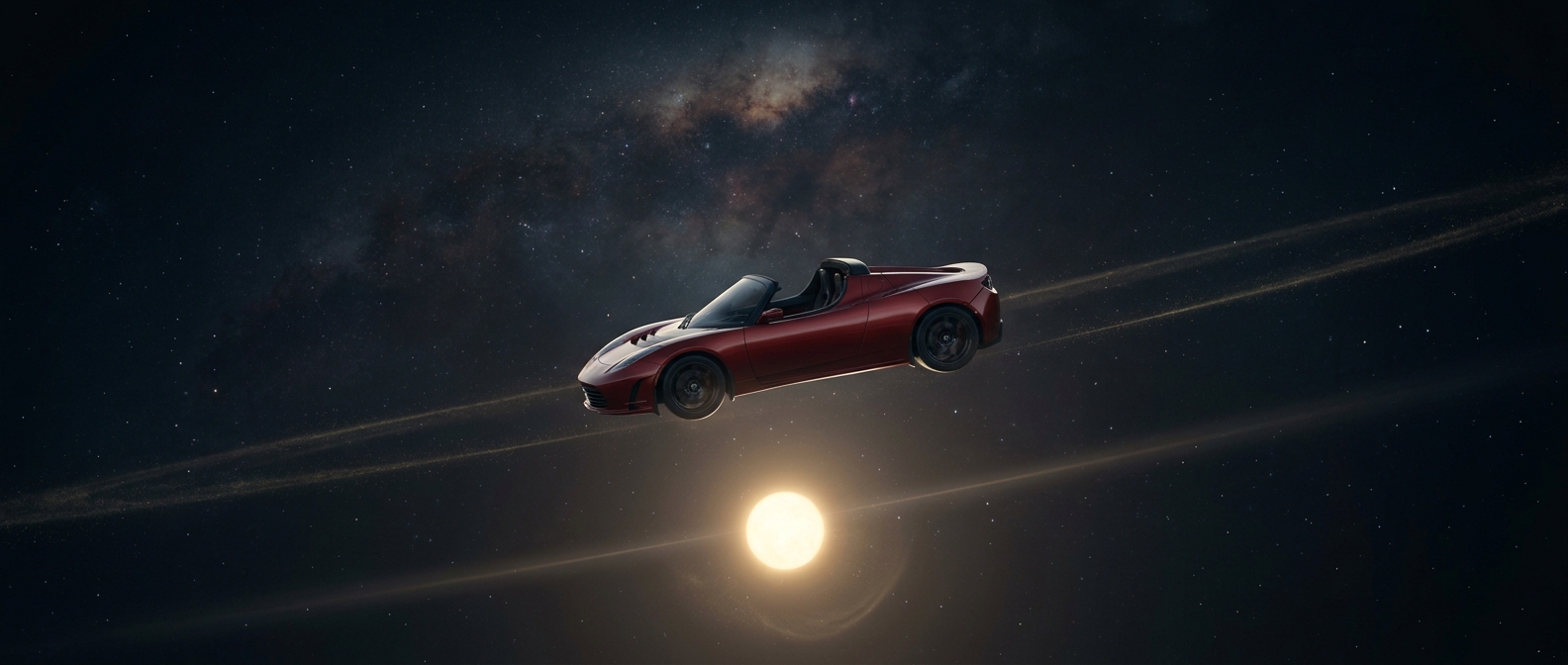
Why Elon Musk sent a Tesla into space
Transport

Why Elon Musk sent a Tesla into space

Because nothing screams 'billionaire flex' quite like littering in the solar system. In 2018, SpaceX needed a dummy payload for the Falcon Heavy test flight,…

Discover more
Traveling to the edge of the Earth's atmosphere is theoretically a much shorter journey than driving across a large terrestrial state, meaning you could technically reach the…
Transport

Traveling to the edge of the Earth's atmosphere is theoretically a much shorter journey than driving across a large terrestrial state, meaning you could technically reach the…

Traveling to the edge of the Earth's atmosphere is theoretically a much shorter journey than driving across a large terrestrial state, meaning you could…

Discover more
NASA spent nearly thirty-eight million dollars developing the Apollo Lunar Roving Vehicle in the early 1970s, creating a foldable, battery-powered buggy that astronauts could use…
Transport

NASA spent nearly thirty-eight million dollars developing the Apollo Lunar Roving Vehicle in the early 1970s, creating a foldable, battery-powered buggy that astronauts could use…

NASA spent nearly thirty-eight million dollars developing the Apollo Lunar Roving Vehicle in the early 1970s, creating a foldable, battery-powered buggy that…

Discover more
StackyMore discoveries in the app
Download on the App Store