A First Flight Needed a Realistic Load
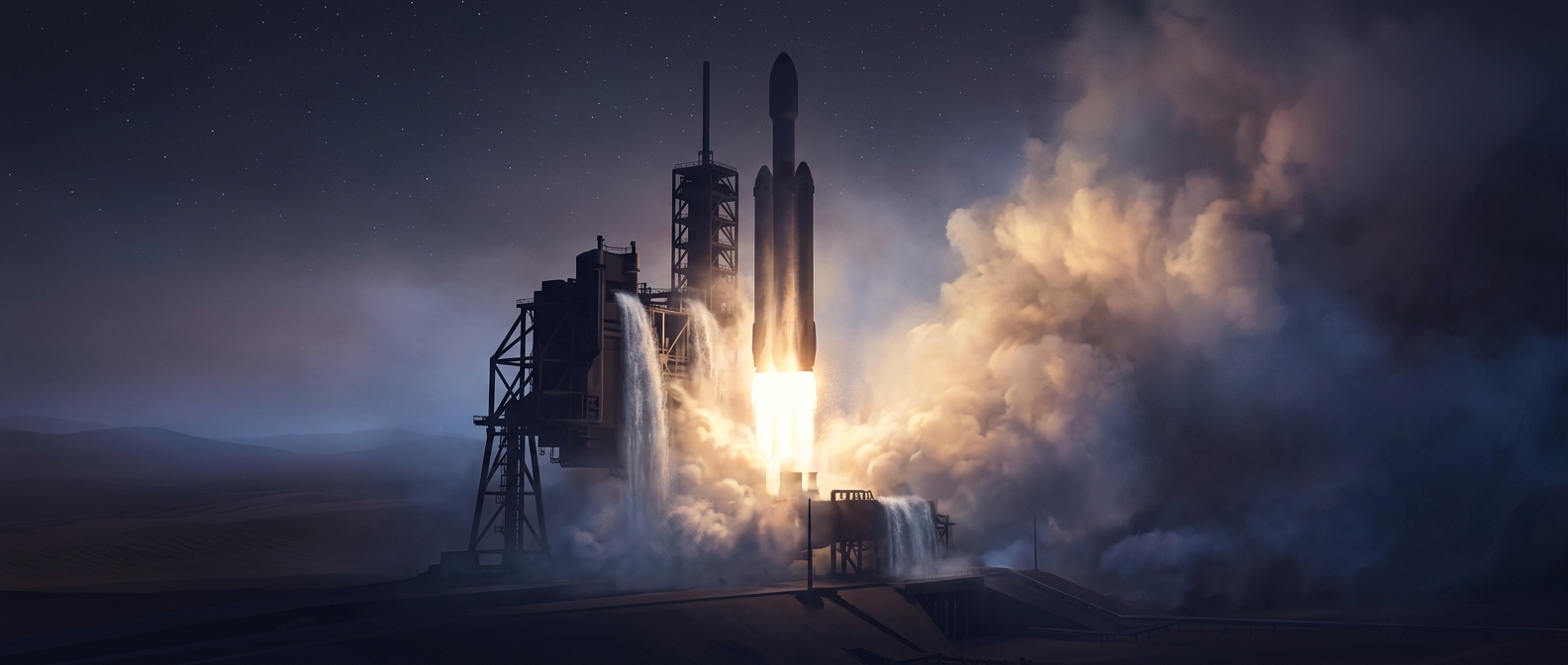
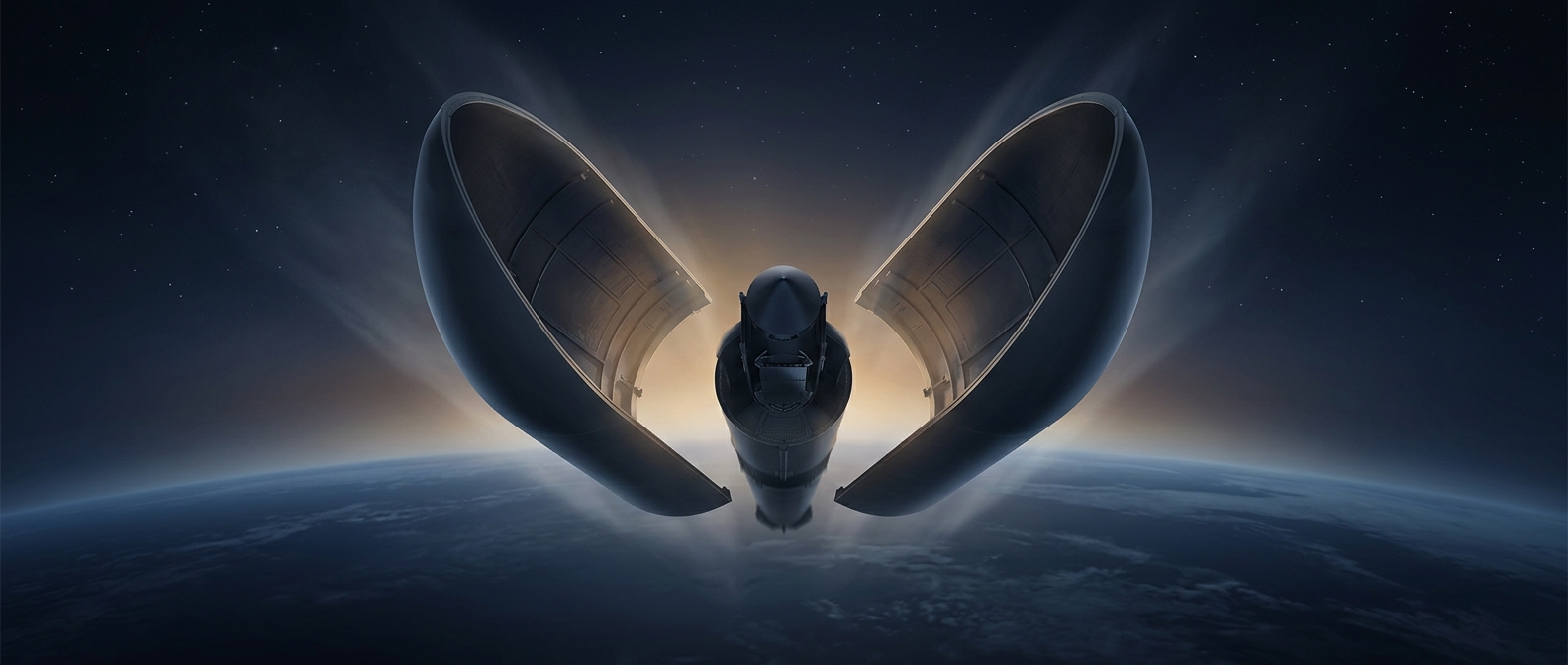
SpaceX’s Falcon Heavy made its first flight in February 2018. A rocket’s maiden launch is a test of the whole system—not just its engines, but also how its stages separate, how its guidance performs, and whether the vehicle can carry a payload through the planned flight. Putting a suitably heavy object on board helps test the rocket under more realistic conditions than flying it empty.
A dense block could have served as ballast, but it would have offered little beyond weight. A car supplied a comparable kind of payload while giving the test flight a memorable public face.
The Car Was the Showpiece, Not the Experiment
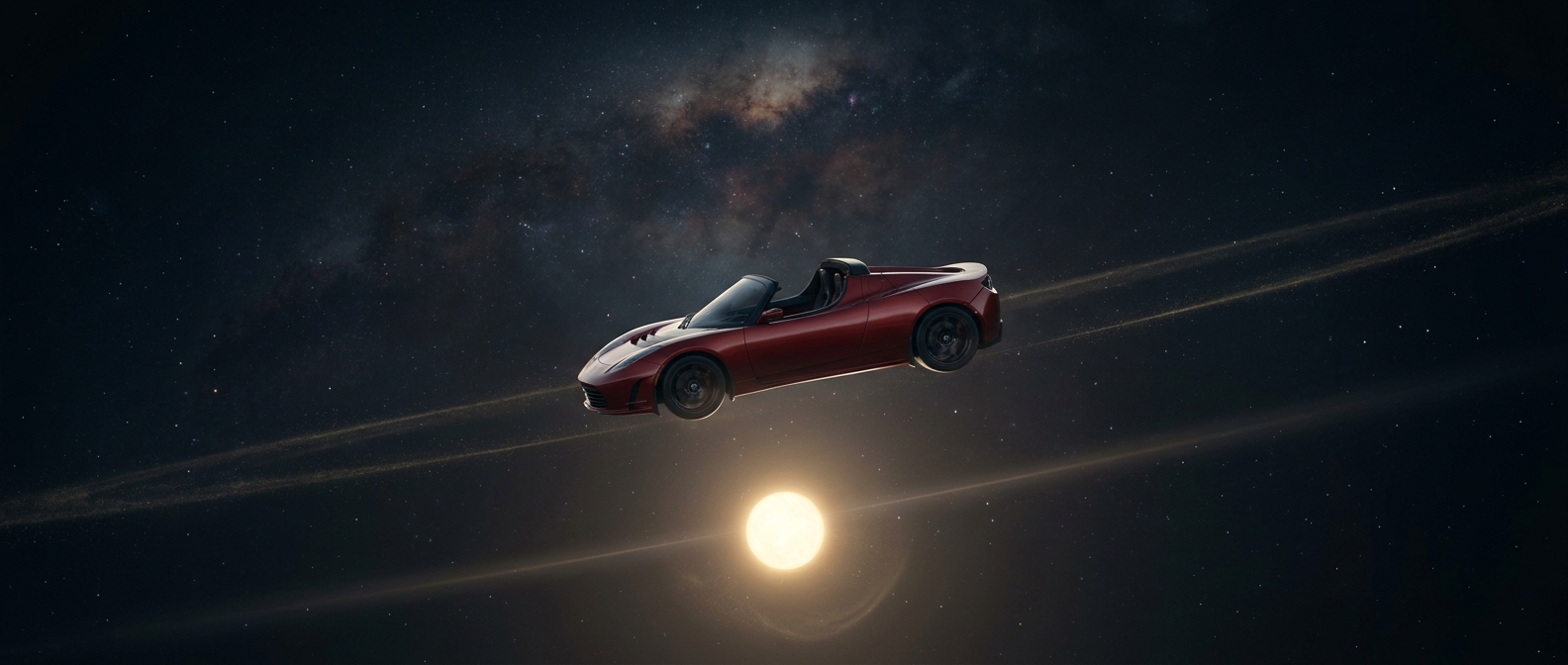
The Roadster was not a scientific instrument designed to report on the rocket. The useful test data came from the launch vehicle and its flight systems. The car’s role was to provide mass for the flight; its unusual appearance made the mission much easier to recognize and talk about.
That choice also sidestepped a practical problem: a first test flight carries more uncertainty than a routine mission. Using an expensive operational satellite would have put valuable equipment at risk. A car, by contrast, could be treated as a symbolic payload rather than a customer’s critical hardware.
A Payload Sent Beyond Earth Orbit
The Falcon Heavy did more than lift the Roadster off the ground. It sent the car onto a path around the Sun, rather than placing it into a useful orbit around Earth. That made the launch a dramatic demonstration of the rocket’s capability, while leaving the vehicle itself with no practical role in space.
The combination captured the logic of a test flight: use the payload to help exercise the rocket, then make the demonstration visible enough that people remember what the rocket can do.