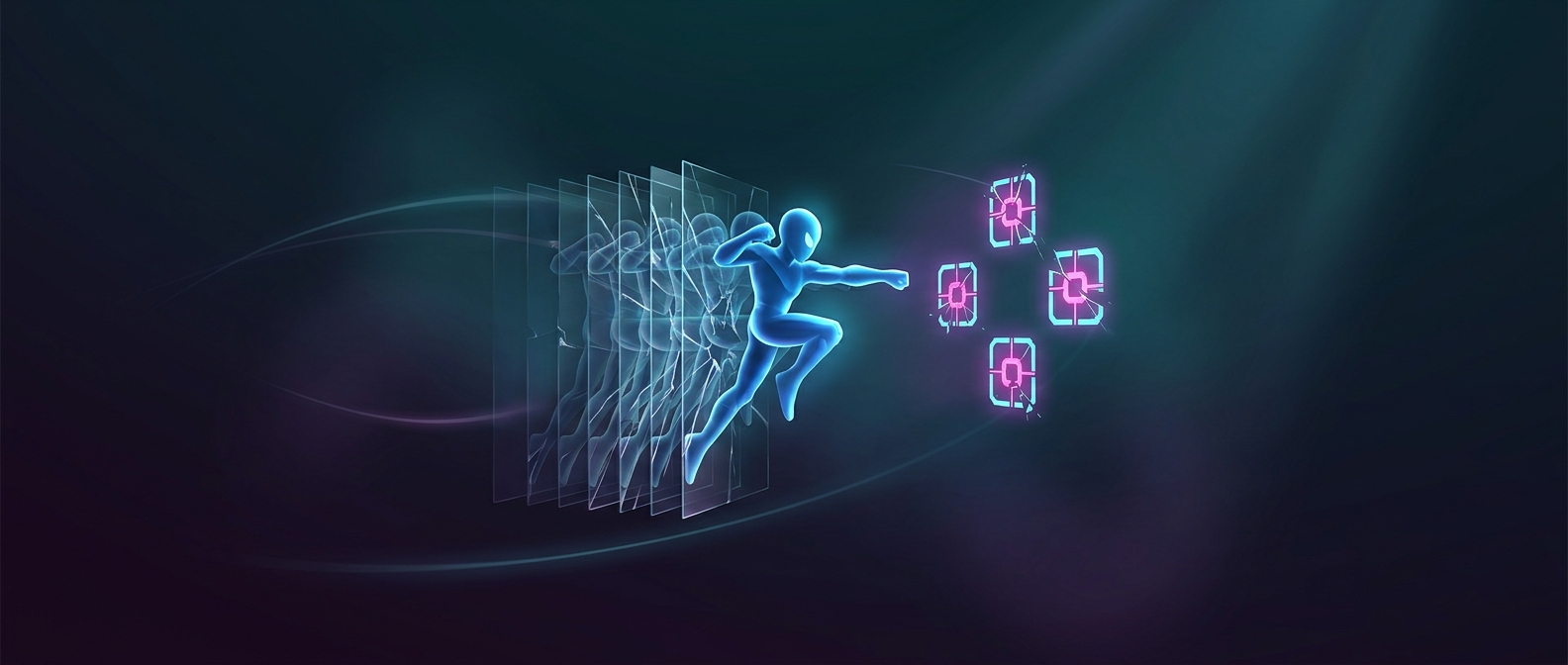
Turning a Split-Second Jump Into Single Steps
A target test looks like a short platforming course, but its hardest routes can depend on exactly when a character jumps, turns, or attacks. At full speed, those moments blur together. Pausing between tiny advances lets a player inspect the character’s position and make decisions at a much slower pace.
The pause does not make the course easier by changing its physics. It makes the action easier to study: the game’s motion is interrupted, then allowed to progress by a very small visual update before it is stopped again. That gives the player a sequence of snapshots instead of one continuous rush.
Why Each Update Matters
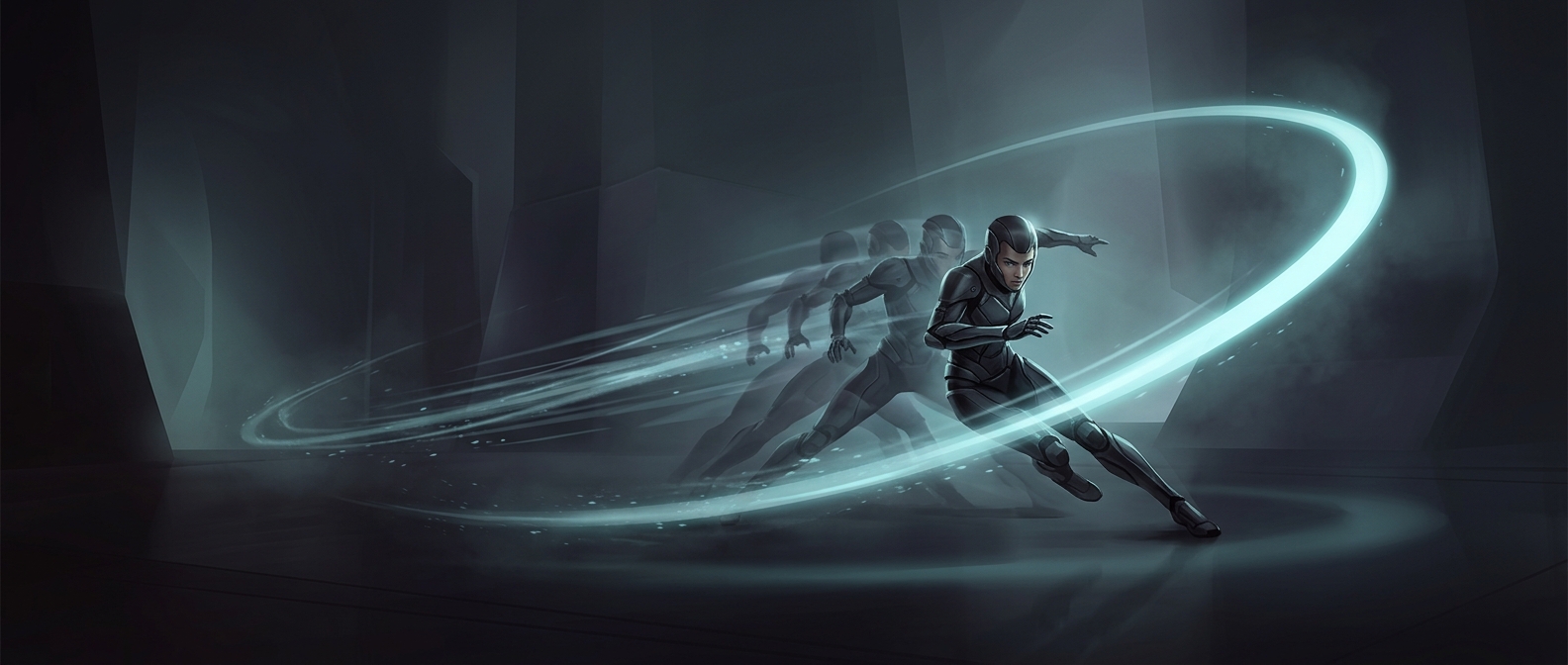
A character carries momentum, and collisions depend on where the character and nearby objects are at a particular instant. Advancing a little at a time helps a player see whether a jump is carrying too far, whether an attack will connect, or whether the character is about to miss a target. The player can adjust the next input based on what the game actually did, rather than trying to remember a fast sequence after the fact.
That turns the challenge into a careful loop: advance, inspect, and respond. The route is still played in real time between pauses, but the player can plan it in much finer detail than ordinary reflexes allow. A successful run may therefore look less like a single acrobatic leap and more like a chain of tiny, deliberate corrections.