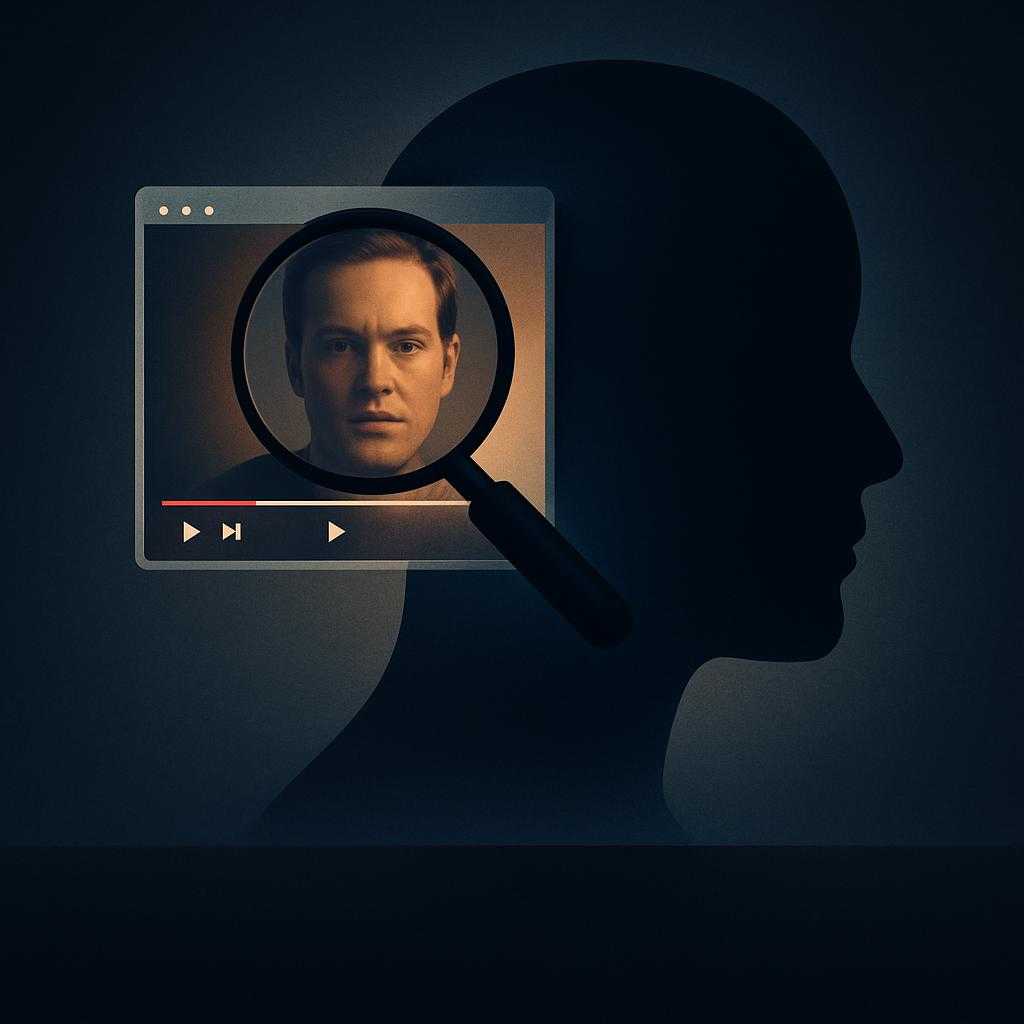
Follow the clip back to its source
The most dependable habit is to check where a video came from before judging what it shows. Pause before sharing, look for the earliest available upload, and ask whether the account has a clear connection to the event. A clip posted by an unknown account with no date, location, or original context is harder to trust than one whose origin can be traced.
This works because a convincing image is not the same as reliable evidence. AI can alter faces, voices, and scenes, while ordinary editing can remove the seconds that explain what happened. Visual glitches may offer clues, but they are inconsistent: a polished fake may have none, and a genuine video may look strange because of compression or poor lighting.
Look for independent confirmation
Search distinctive phrases from the post or details visible in the scene, such as a sign, building, or weather. Then see whether credible outlets or knowledgeable local sources report the same event using evidence that does not all trace back to the same upload. Many accounts repeating one clip are not many independent confirmations.
Also check whether the video is old, cropped, or presented with a misleading description. A real recording can still make a false claim when it is assigned to the wrong place or moment. The key question is not just “Does this look real?” but “Can I establish where it came from, and is the claim independently supported?” If that trail is missing, treating the clip as unverified is safer than letting its vividness stand in for proof.