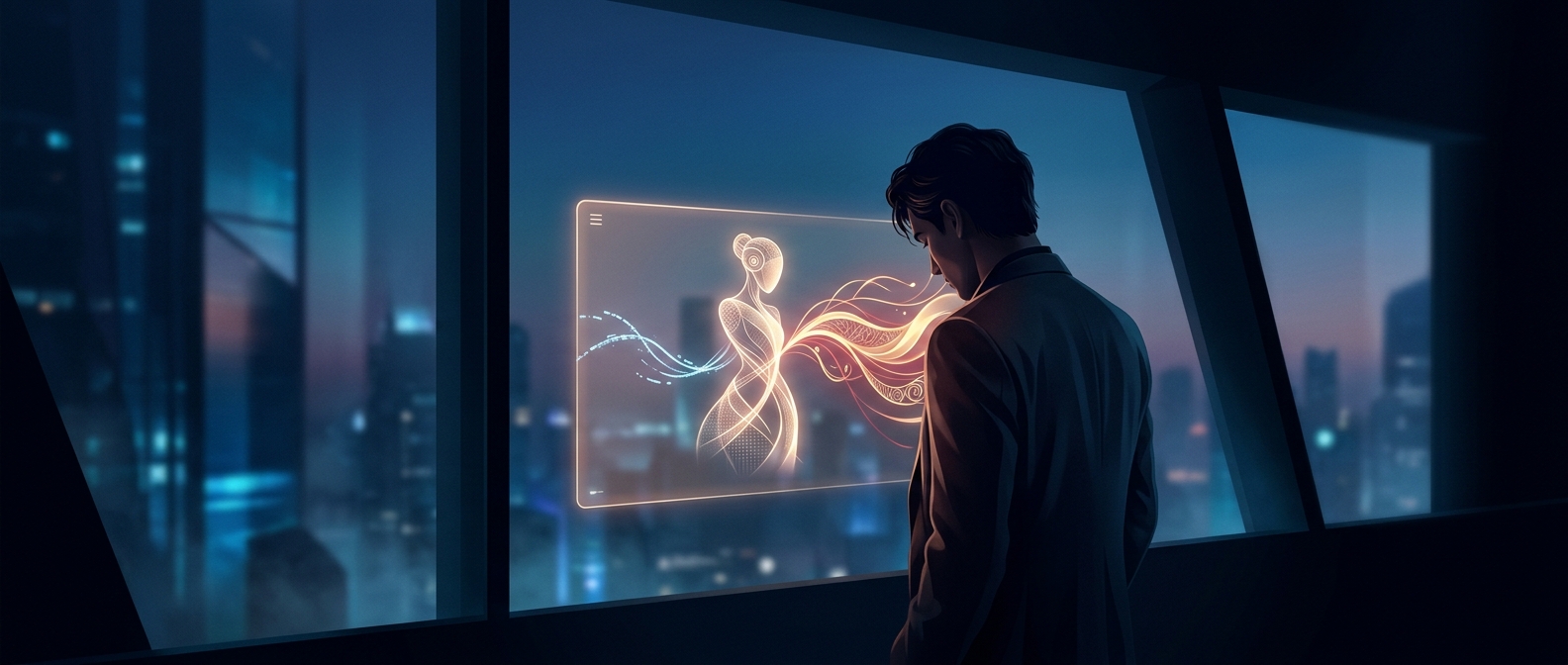
When Real Evidence Starts to Look Fake
As synthetic audio and video become more convincing, a troubling effect is not simply that people may believe fabricated scenes. They may also become more willing to doubt genuine recordings. A real video can be dismissed as an AI fake, especially when it shows someone doing something damaging or politically inconvenient.
This dynamic is often called the liar’s dividend: the existence of convincing fakes gives a person caught on authentic evidence an easy excuse to deny it. The denial does not have to prove the recording was altered. It can work by making viewers unsure enough that they stop treating the footage as decisive.
Doubt Becomes Its Own Tool
The mechanism is a shift in the burden of proof. Once people know that voices and images can be generated or manipulated, they may ask whether any particular recording is genuine. That is a reasonable question—but verifying a clip can require expertise, access to the original file, and information about where it came from. Most viewers see only a repost or a short excerpt, stripped of that context.
The result can be more than confusion about one clip. If authentic evidence and fabricated evidence feel equally uncertain, people may retreat to whatever they already believe, or conclude that nothing can be trusted. That makes reliable records, independent corroboration, and transparent verification more important—not less.
A convincing fake can deceive someone once. The deeper danger is that its existence gives people a reason to doubt the real thing, even when no fake has been shown.