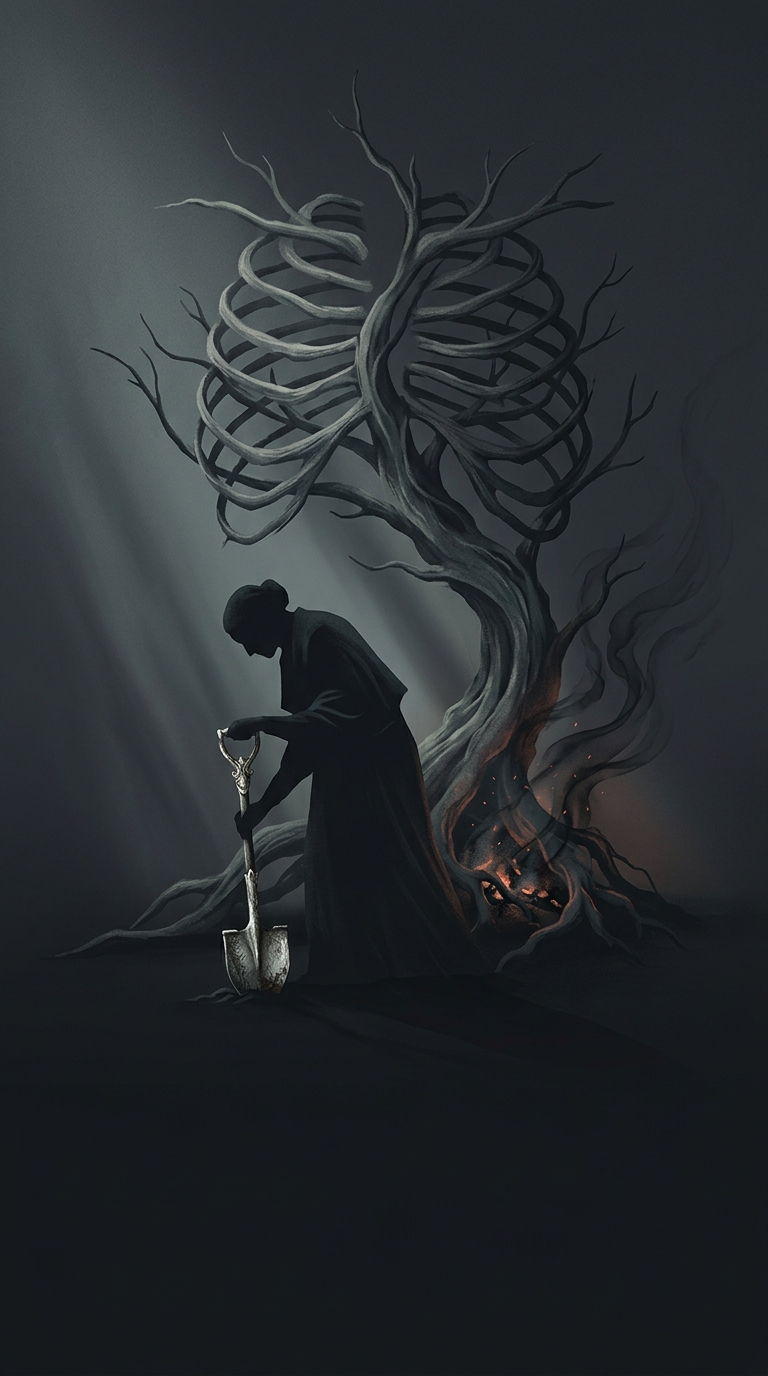
When Consumption Looked Like a Family Curse
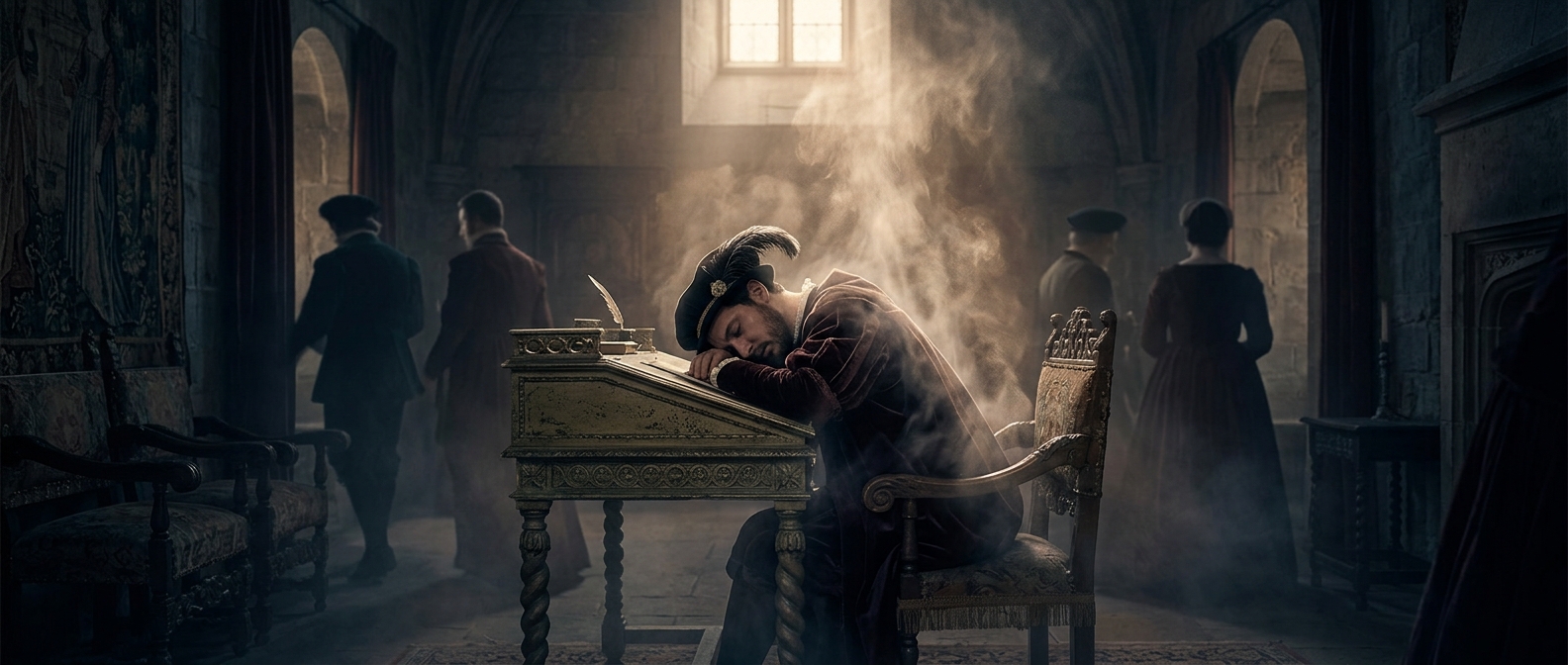
Tuberculosis, then commonly called consumption, often moved slowly through households. A person might grow weak and lose weight for months, while relatives fell ill one after another. Before people understood that bacteria spread the disease, that pattern could look less like contagion than an attack by someone already dead.
In parts of New England, some families adopted a belief that a deceased relative was returning from the grave to drain the vitality of the living. The dead person was not necessarily imagined as a monster in the modern sense. The belief offered a cause for a terrible sequence that medicine could not yet explain—and a target for action.
Why Dig Up the Dead?
Families sometimes opened graves to inspect the bodies of relatives who had died of consumption. A corpse that seemed unusually preserved, or whose heart appeared to contain fresh blood, could be taken as evidence that the dead person was feeding on the family. Such appearances can arise during ordinary decomposition, but without a scientific account they could reinforce the vampire explanation.
The response was meant to stop the suspected attack. In some cases, people removed and burned the heart or other organs; some then mixed the ashes with water and had an ill relative drink them. Practices varied by family and place. They were attempts to protect survivors, not simply displays of superstition: relatives were acting on the explanation available to them when another death seemed imminent.
A Ritual Where Treatment Was Missing
The custom persisted into the late nineteenth century, even as medical understanding was changing. The discovery that tuberculosis was caused by a bacterium eventually supplied a different account of how it spread. But for families watching one loved one waste away after another, that explanation and effective treatment were not yet part of everyday life.
The grave-opening rituals show how people tried to make an invisible disease visible. A heart taken from a coffin could be destroyed; the slow transmission of tuberculosis through a household could not.