A fox spirit’s human form is a test of perception
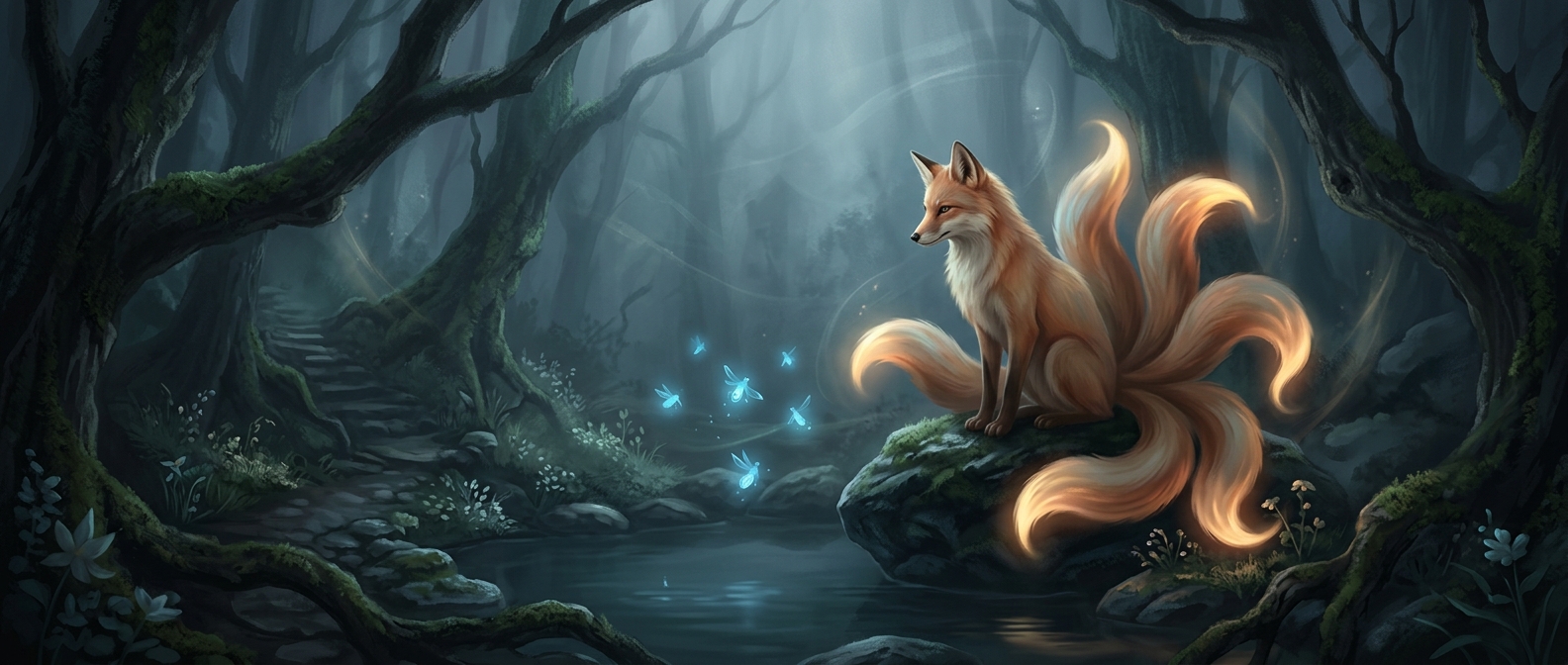
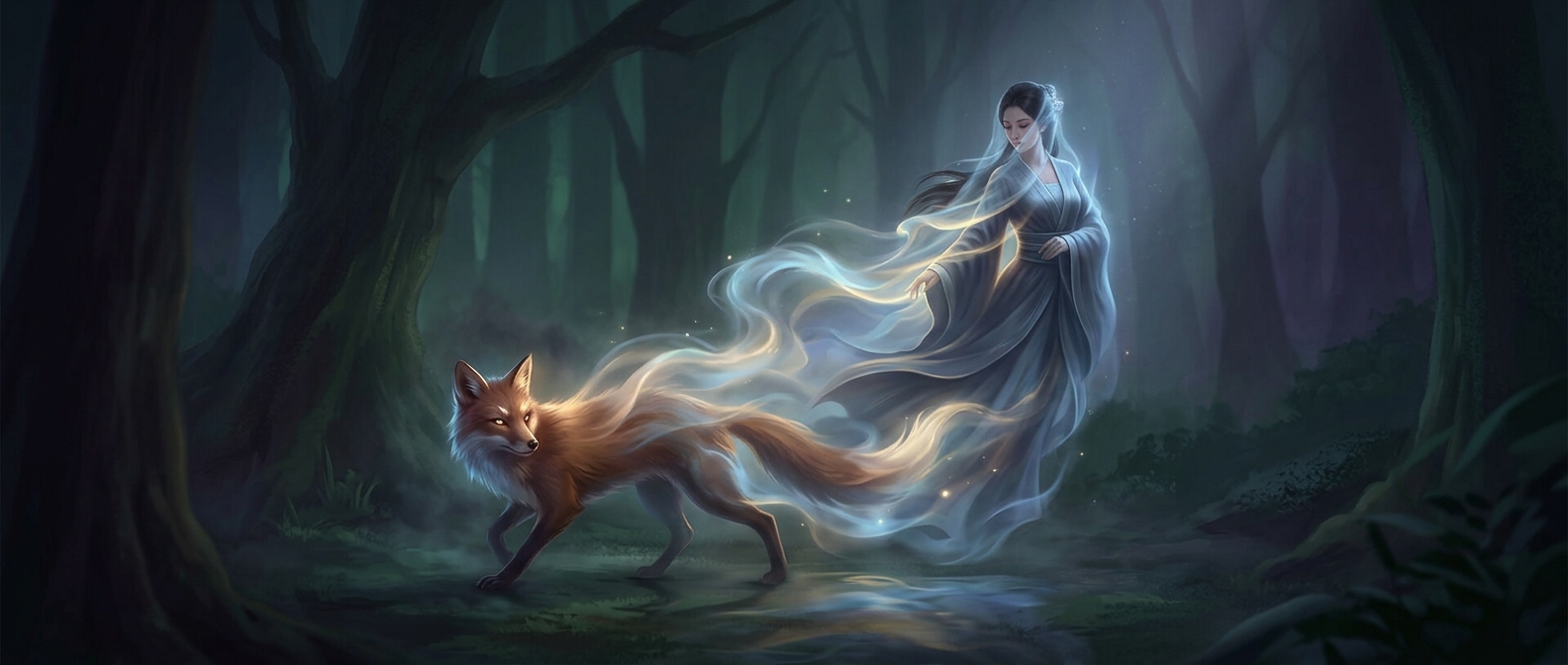
The huli jing is a fox spirit in Chinese folklore, not a single character with one fixed biography. In many tales, a fox gains uncanny abilities over a long life and can assume human form. The transformation makes the spirit difficult to recognize: a visitor who appears entirely ordinary may not be what they seem.
That uncertainty drives the stories. A household must judge a stranger by conduct rather than appearance, while the fox’s apparent humanity raises questions about what separates a person from a spirit. The beautiful woman is a frequent form in these tales, but fox spirits appear in other roles too, and their intentions vary.
Desire and power run in both directions
Fox-spirit stories often turn attraction into a struggle over who has influence. A spirit may enter a wealthy or powerful household, where private desire can threaten reputation, family order, or a man’s authority. In tales where a fox drains vitality, the supernatural danger gives bodily force to the idea that indulgence can weaken someone who believes himself untouchable.
The motif can also reverse the expected balance of power. A seemingly vulnerable woman may be the most capable figure in the room, while an official’s status offers little protection against his own appetites. These plots invite audiences to consider whether the danger lies only in the spirit—or also in the choices of the people who welcome it.
The fox is not simply a villain
Chinese stories and later retellings give fox spirits different moral characters: some deceive or harm people, while others form relationships or help them. Their changing shape is therefore more than a trick. It lets each tale explore how trust is formed when appearance cannot settle the question of someone’s nature.
That is why the fox’s transformation remains such a flexible image: it can signal temptation, danger, cleverness, or a challenge to social rank, depending on the story.