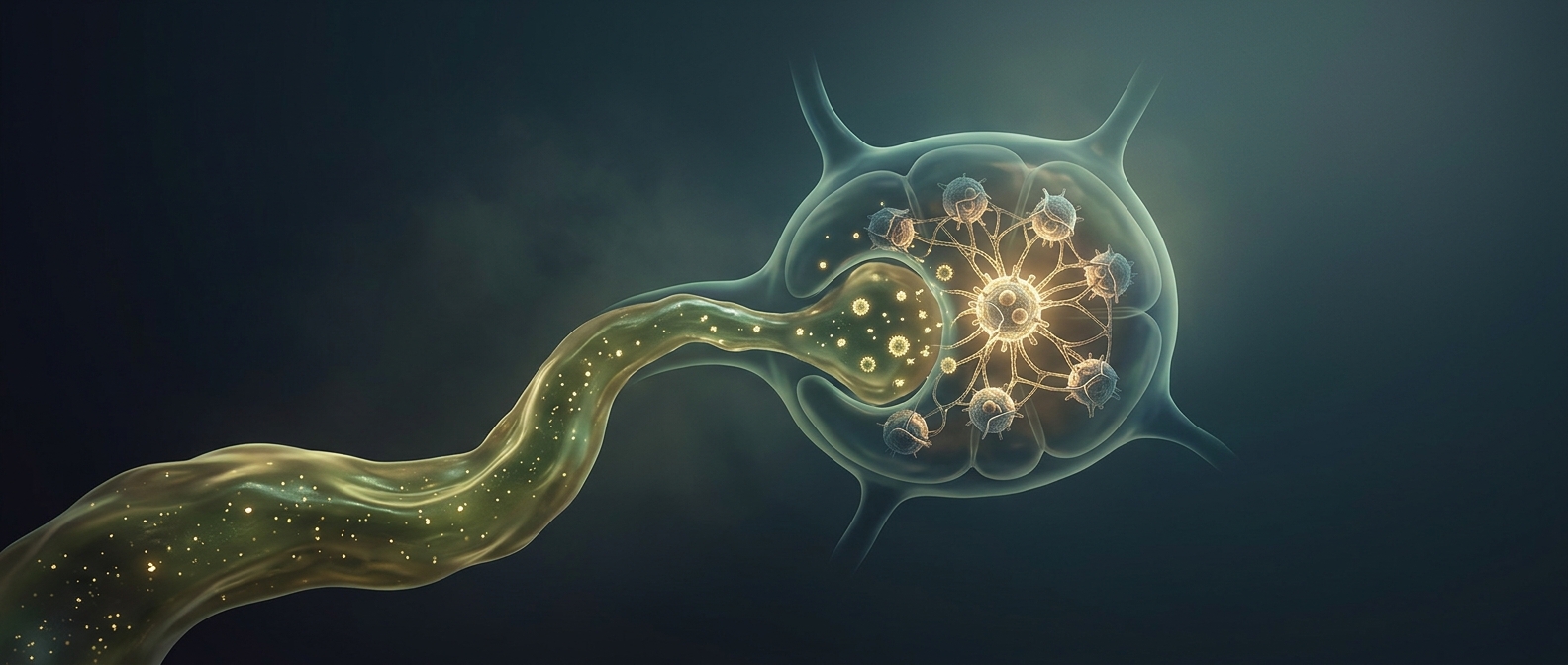
When the response spreads beyond the infection
An infection usually stays concentrated in one place: the lungs, urinary tract, skin, or another tissue. In sepsis, the body’s response becomes widespread and poorly regulated. Immune signals that help fight microbes can also make blood vessels leaky and trigger abnormal clotting. As a result, less oxygen-rich blood may reach tissues, even when the original infection is not directly attacking every affected organ.
That disruption can build quickly. The heart may beat faster to compensate for poor circulation, while the kidneys, lungs, brain, or other organs struggle to work normally. Sepsis is not a single germ or a predictable next stage of every infection; it is a dangerous reaction that can arise from many kinds of infection and affect people differently.
Why treatment cannot wait
Care aims to control the infection and keep the body’s organs supplied with oxygen and blood. Clinicians may use medicines to fight the likely cause, fluids to support circulation, and other measures if organs need help. They also look for an infection source that needs treatment, such as an abscess that must be drained.
The urgency comes from the chain reaction: impaired circulation can worsen organ function, and failing organs can make it harder for the body to recover. A person can be in serious danger because of the body’s response, even if the infection’s original location seems limited. That is why suspected sepsis calls for immediate medical attention rather than waiting to see whether an infection improves on its own.