Why a muddy bank can hide an ambush
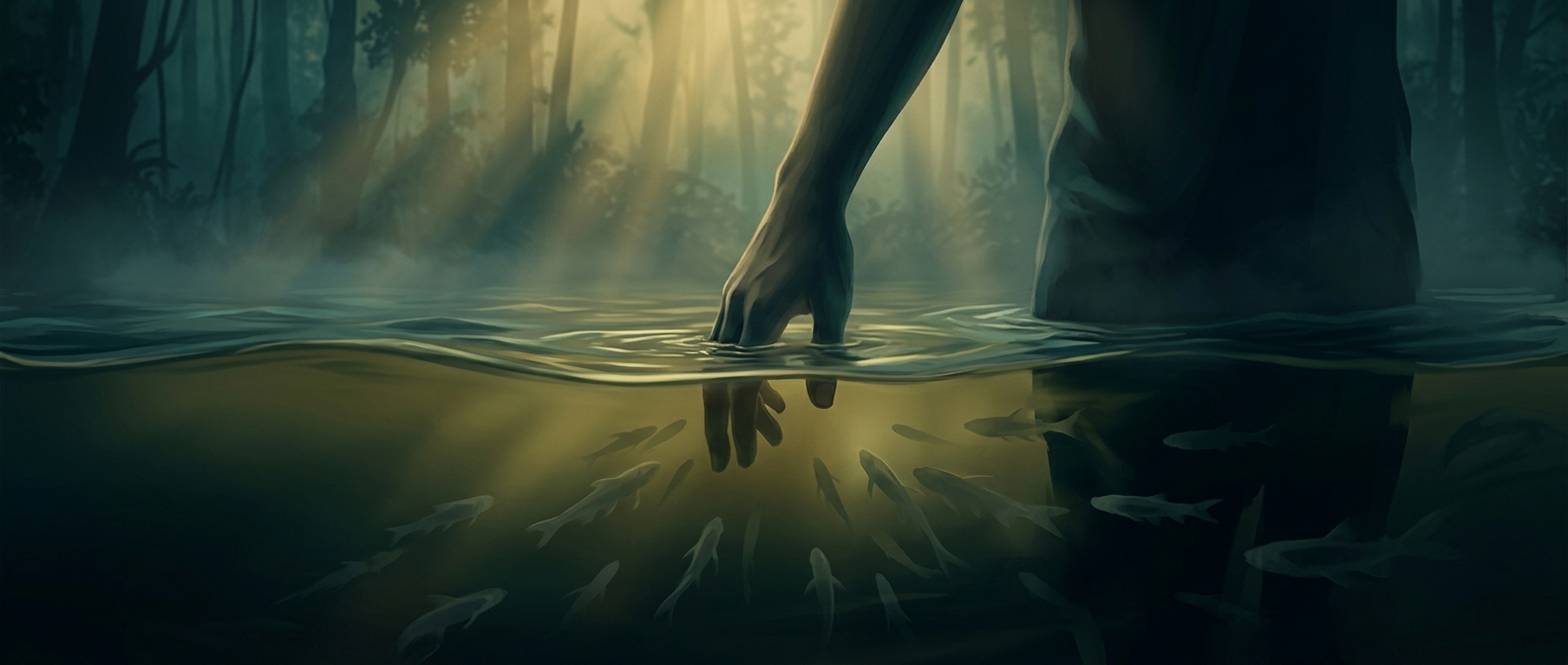
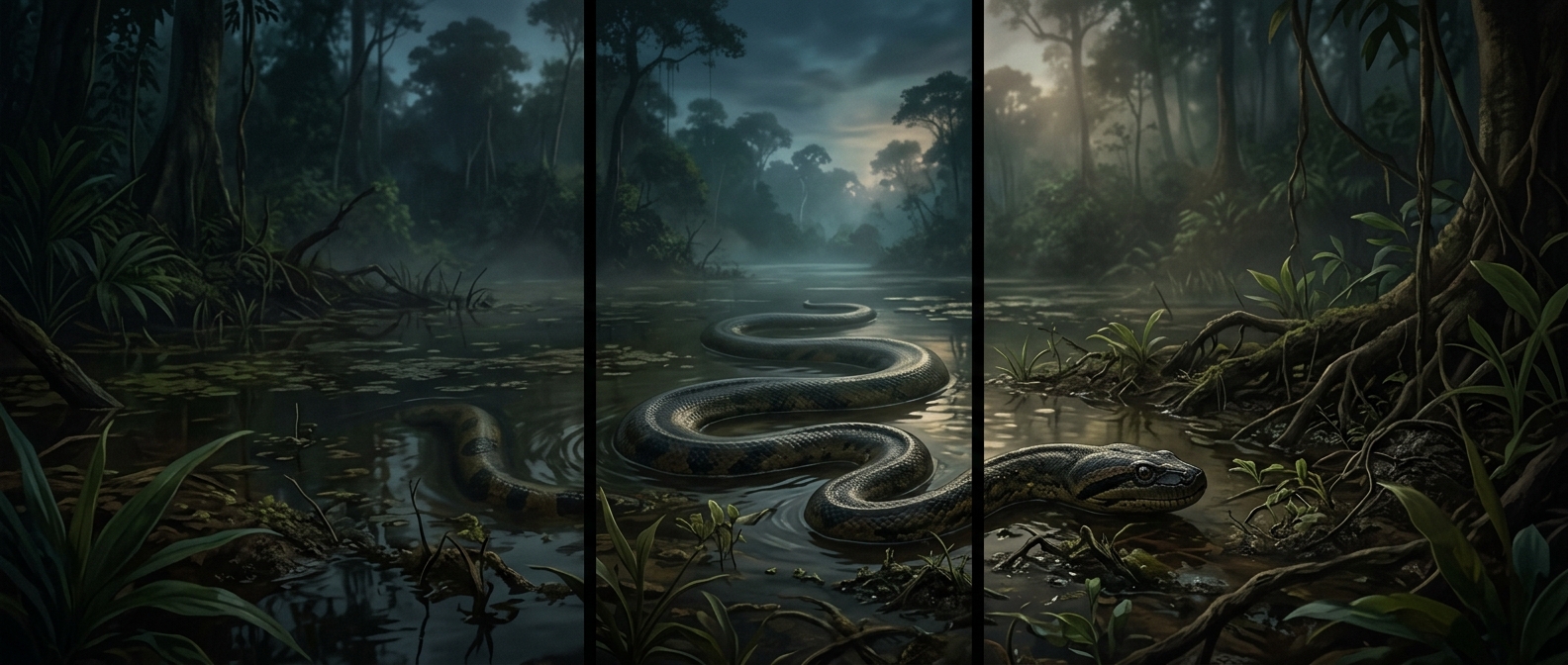
Cloudy water changes what an animal at the edge of a pool can see. Suspended mud and plant matter scatter light, so a drinking animal may have little warning of a large shape below the surface. An anaconda’s coloring can further blur its outline among murky water, shadows, and vegetation.
The snake does not need to chase prey across open ground. It can remain mostly submerged and wait where animals come to drink. With its eyes and nostrils positioned high on its head, an anaconda can keep watch and breathe while much of its body stays underwater.
How the strike works
When prey comes within reach, the snake lunges and grips it with its jaws. Its coils then wrap around the animal and tighten. Constriction works by restricting the prey’s breathing and circulation; it is not a venomous bite. The water’s concealment helps the snake get close, while its muscular body supplies the force needed to hold on.
For travelers near anaconda habitat, the important detail is that a calm-looking, opaque shallows may conceal what lies just beneath the surface. The danger described here is an ambush on animals approaching the water—not evidence that anacondas routinely hunt people. A muddy pool can look empty from the bank even when its underwater edge is not.