A palm-reading book turned an old practice into a public sensation
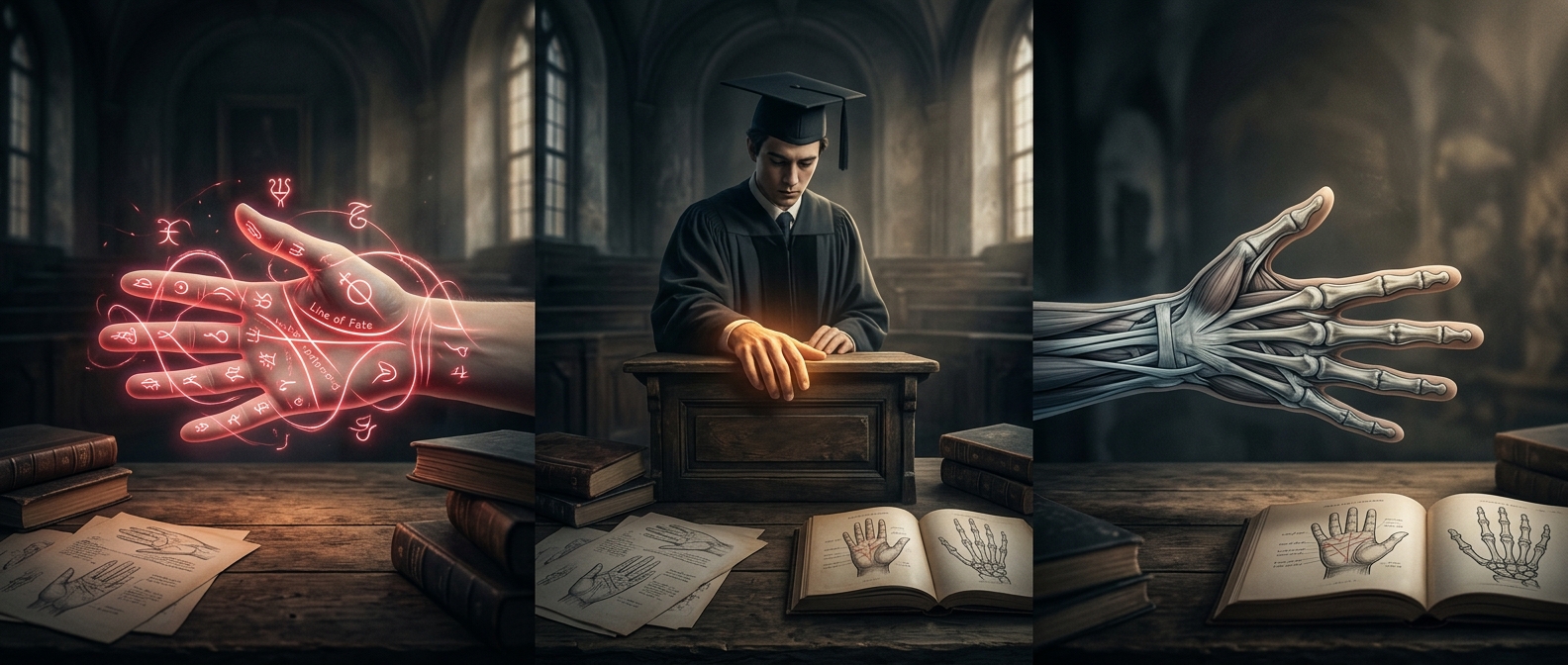
In the late 19th century, the Irish writer and palm-reader William John Warner—better known by his professional name, Cheiro—helped bring palmistry to a wide European audience. His books presented the lines and shapes of a hand as clues to character and fate, giving readers a system they could try for themselves rather than a mystery reserved for a specialist.
That format suited an era when inexpensive books and newspapers could carry sensational ideas far beyond the rooms where fortune-tellers worked. A palm was always close at hand; a printed guide made it seem readable, too. Cheiro’s confident style and celebrity clientele added to the appeal.
Predictions made the stories hard to ignore
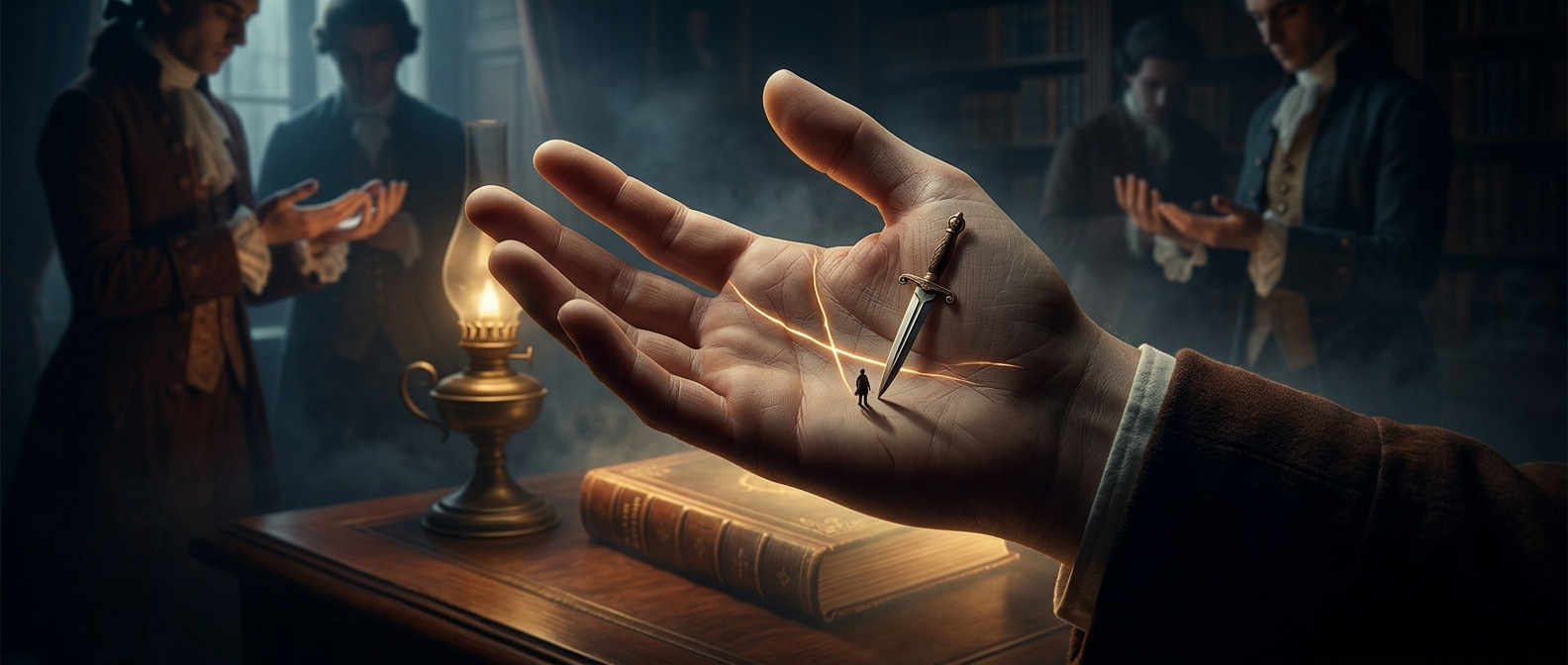
The most gripping claims concerned death. Cheiro said he had foreseen the deaths of Lord Kitchener, who drowned when his ship was sunk in 1916, and King Umberto I of Italy, assassinated in 1900. Such stories gave palmistry a dramatic hook: if a hand could supposedly reveal a fatal event, perhaps it could disclose something about any reader’s future.
There is an important difference between a prediction and a claim made about one. Cheiro’s reputation rested partly on accounts that he had forecast these events; the stories themselves do not establish that palm lines can predict how or when someone will die. Their force was cultural: a striking claim, attached to famous names, was easy to repeat and difficult to forget.
Print gave palmistry a life beyond the séance room
Cheiro helped turn personal readings into a mass-market pastime. Readers could study a hand, compare its lines with a book, and discuss what the signs might mean—whether or not they accepted the predictions literally. The enduring trick of the story is that a guide to interpreting one’s own palm also sold the possibility of seeing a famous person’s fate in advance.