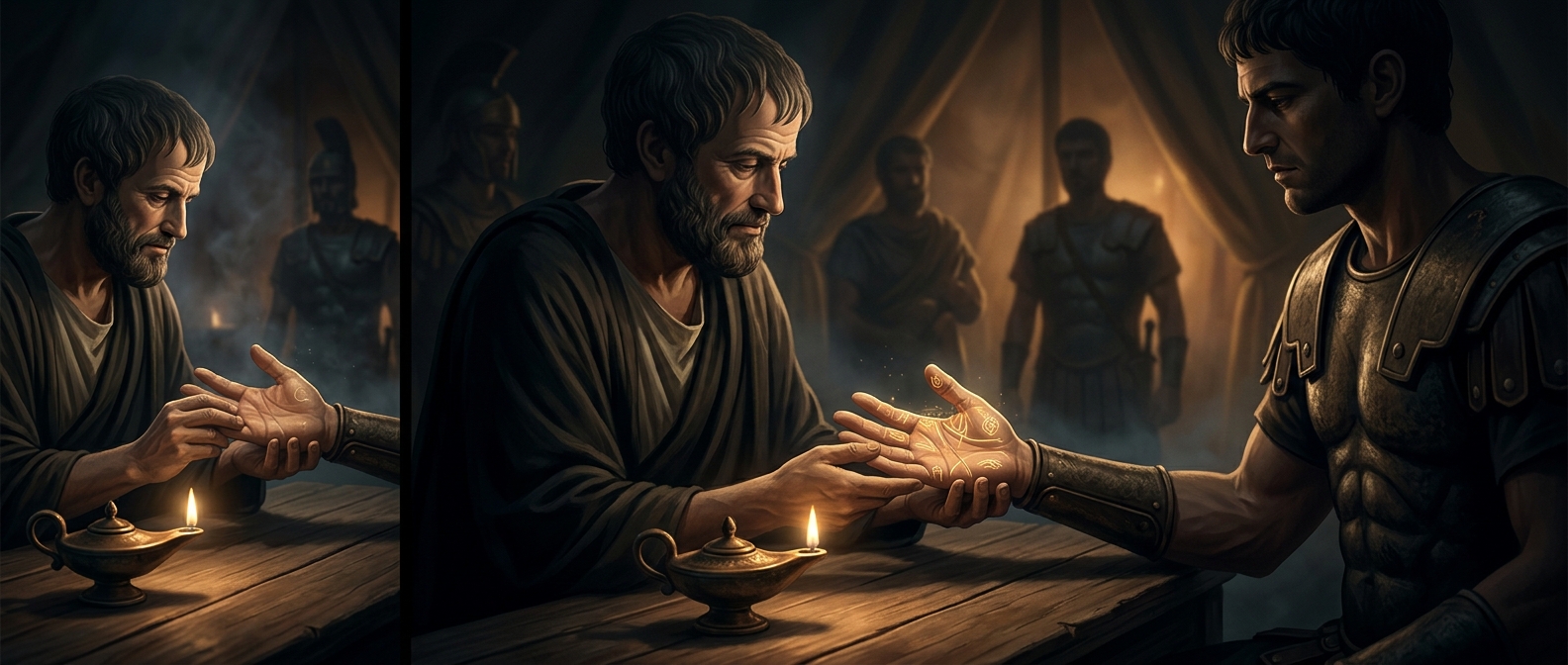
What the “life line” is meant to describe
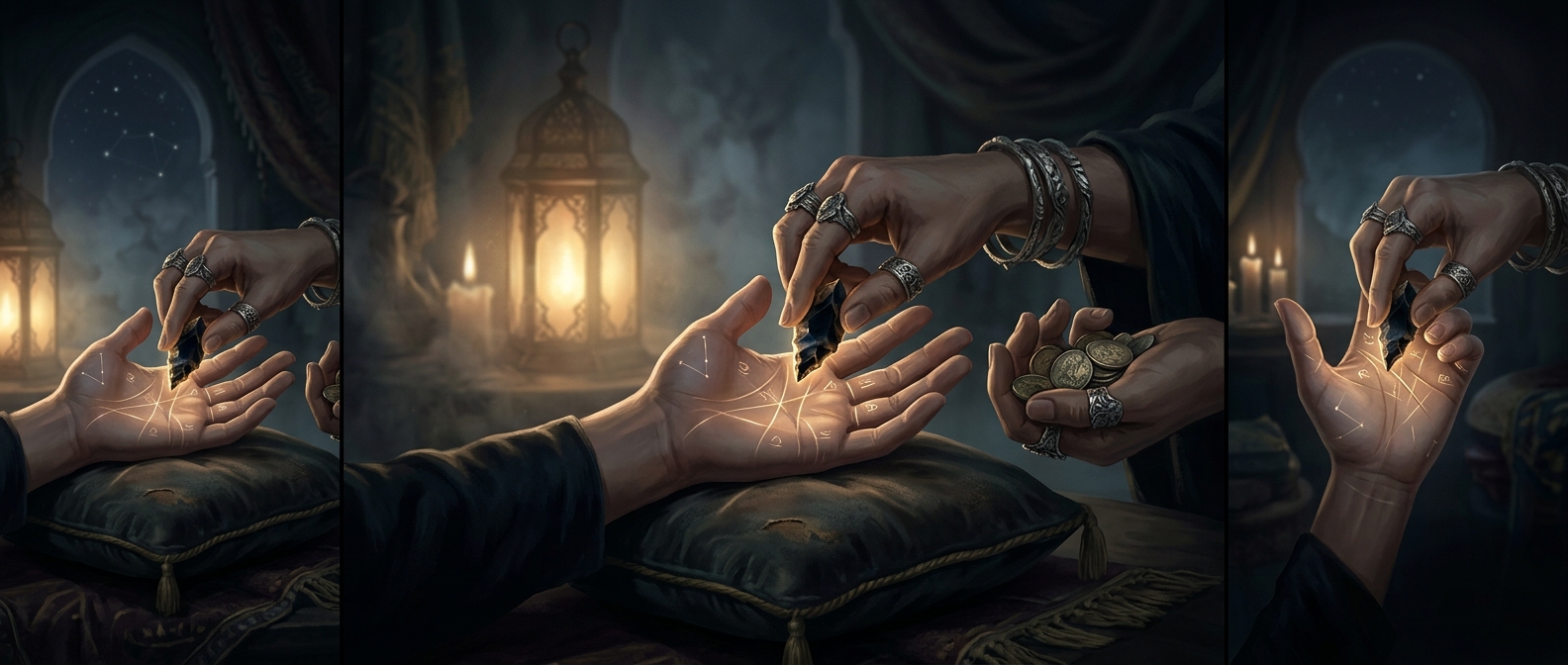
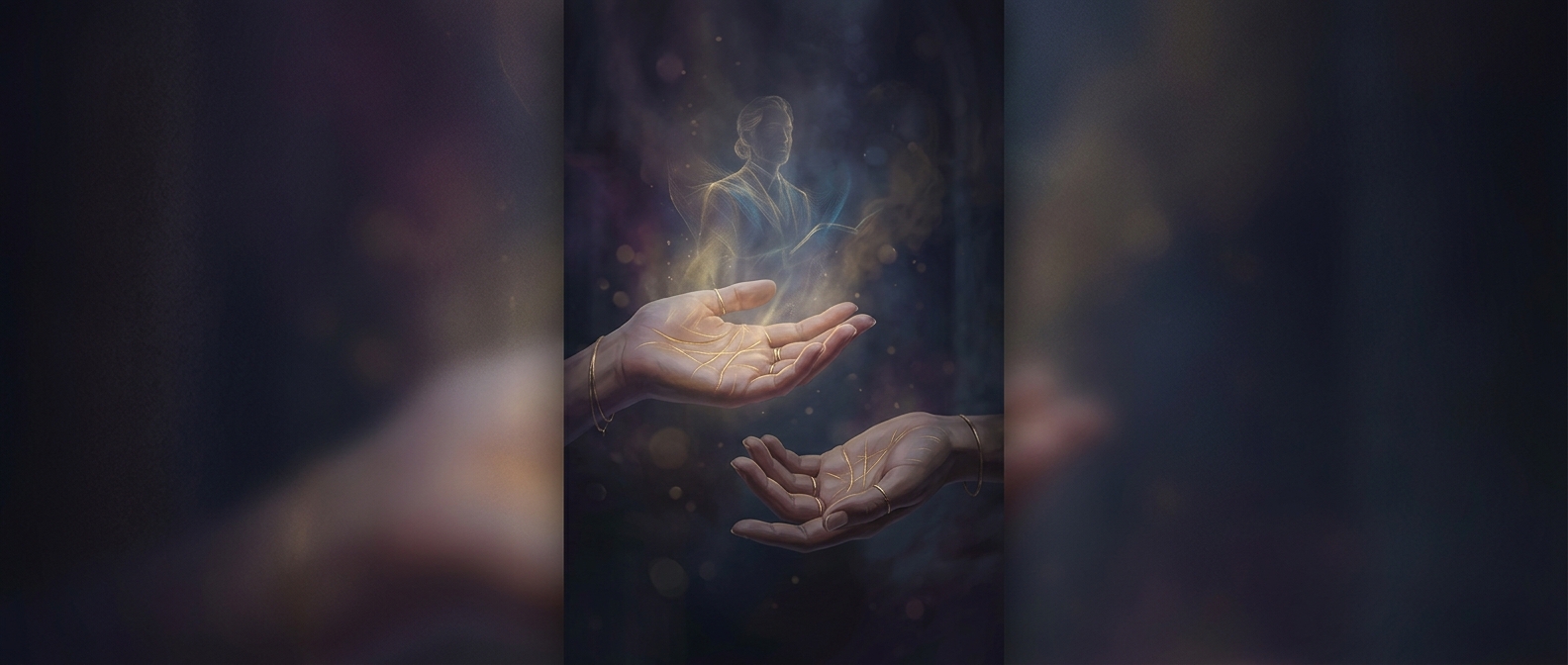
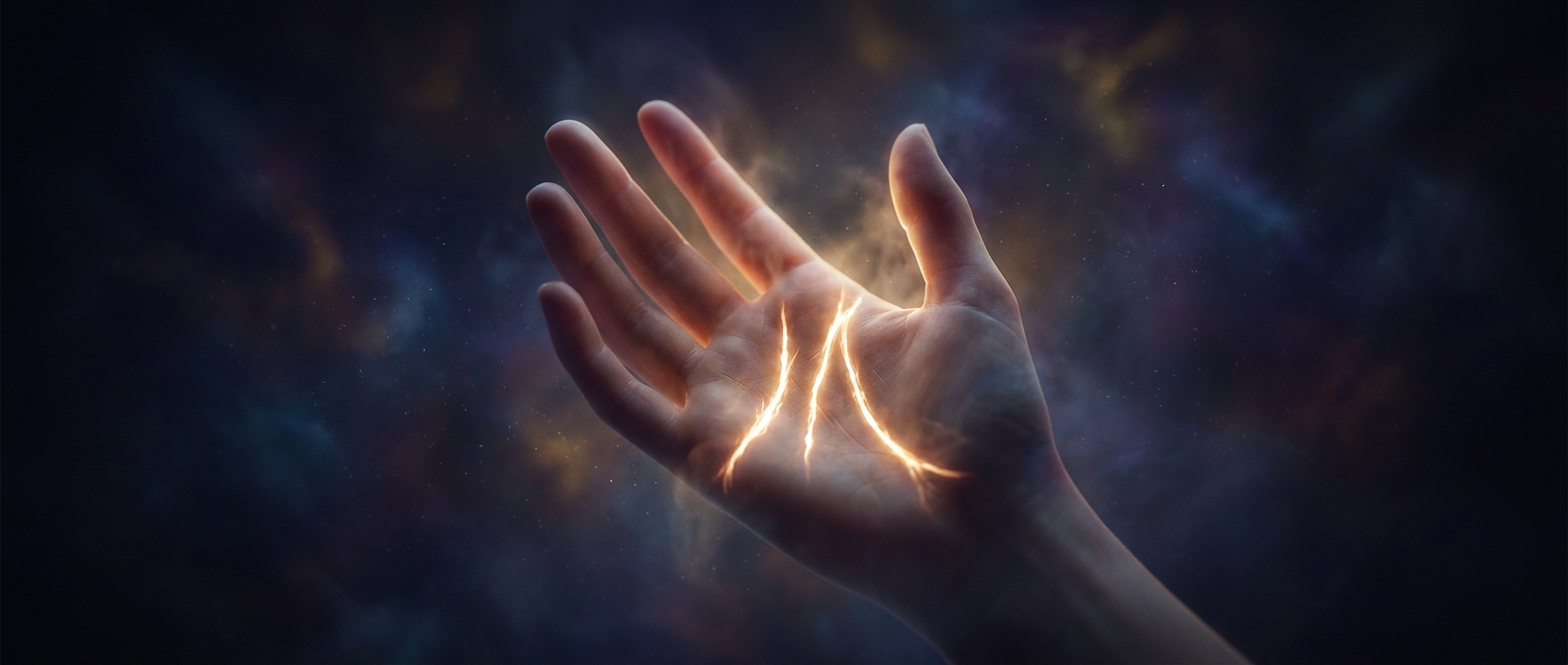
In palmistry, the curved crease beside the thumb is read as a picture of a person’s vitality: their vigor, stamina, or capacity to recover from setbacks. The word life can make the line sound like a forecast of how long someone will live, but that is not the central interpretation described here. A short crease is not treated as a countdown.
Readers may consider the line’s shape and clarity as part of that symbolic reading. The interpretation is about the quality of a life’s energy, not a measurable quantity of it.
A crease with a different kind of meaning
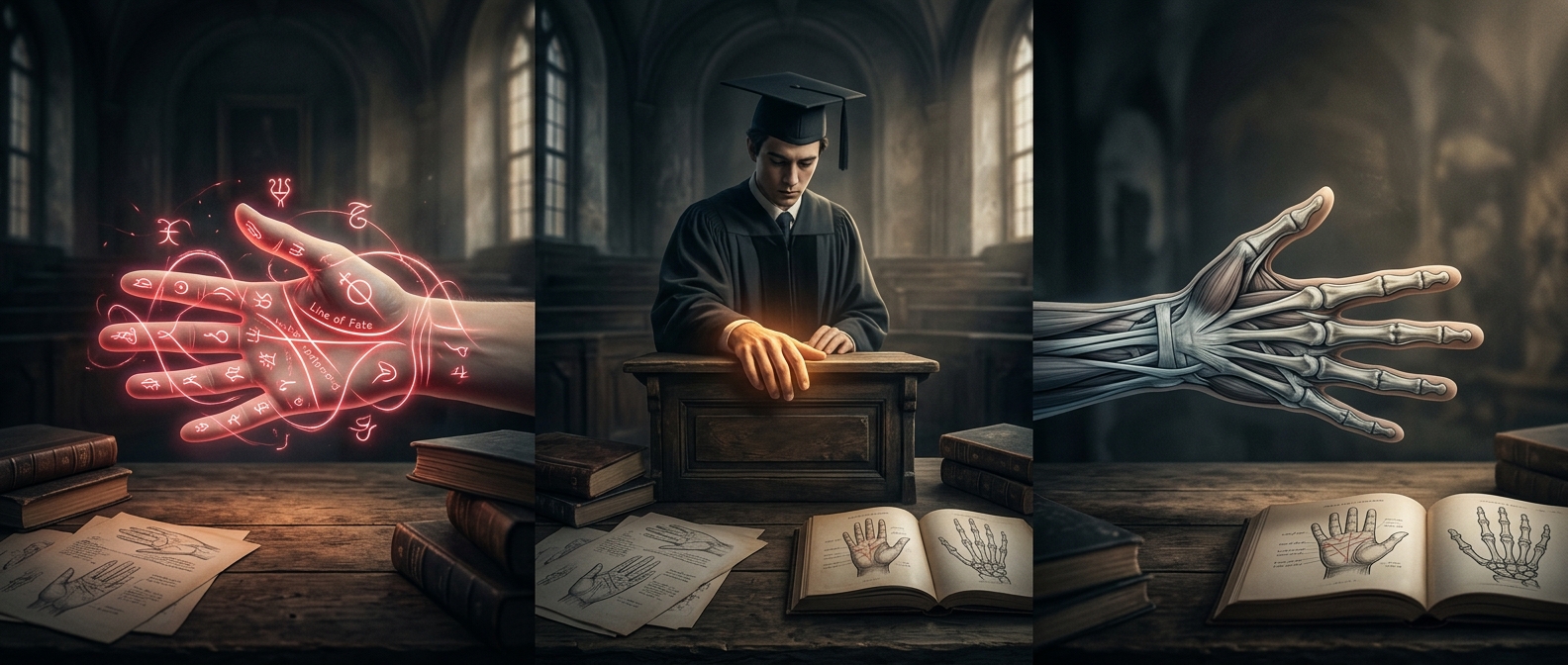
The line itself is a fold in the skin of the palm, formed where the hand bends. Palmistry gives that ordinary crease a narrative role, turning its path into a prompt for interpreting character or experience. That meaning belongs to the practice, not to a medical assessment of health.
So the distinction matters: in this reading, the life line is less a clock than a symbol for how someone meets life’s demands.