What a frozen character reveals about animation
A game character is not a single moving object. Beneath the model is a skeleton: connected joints whose positions determine how the body bends. An animation tells those joints where to move over time, while the game blends animations together—for example, turning a walk into a run or shifting a character’s weight while they stand.
That work has to happen alongside everything else the game is doing. If the animation system cannot provide a complex movement when it is needed, it may use a simple fallback pose instead. The model remains visible, but its joints stop changing, making the character appear to freeze.
Why use a pose instead of forcing the animation?
A stable pose is a predictable substitute. The game can avoid pushing an animation calculation that is failing or arriving too late, rather than displaying a partial or badly distorted movement. The tradeoff is obvious: the scene keeps going, but the character’s body no longer responds naturally.
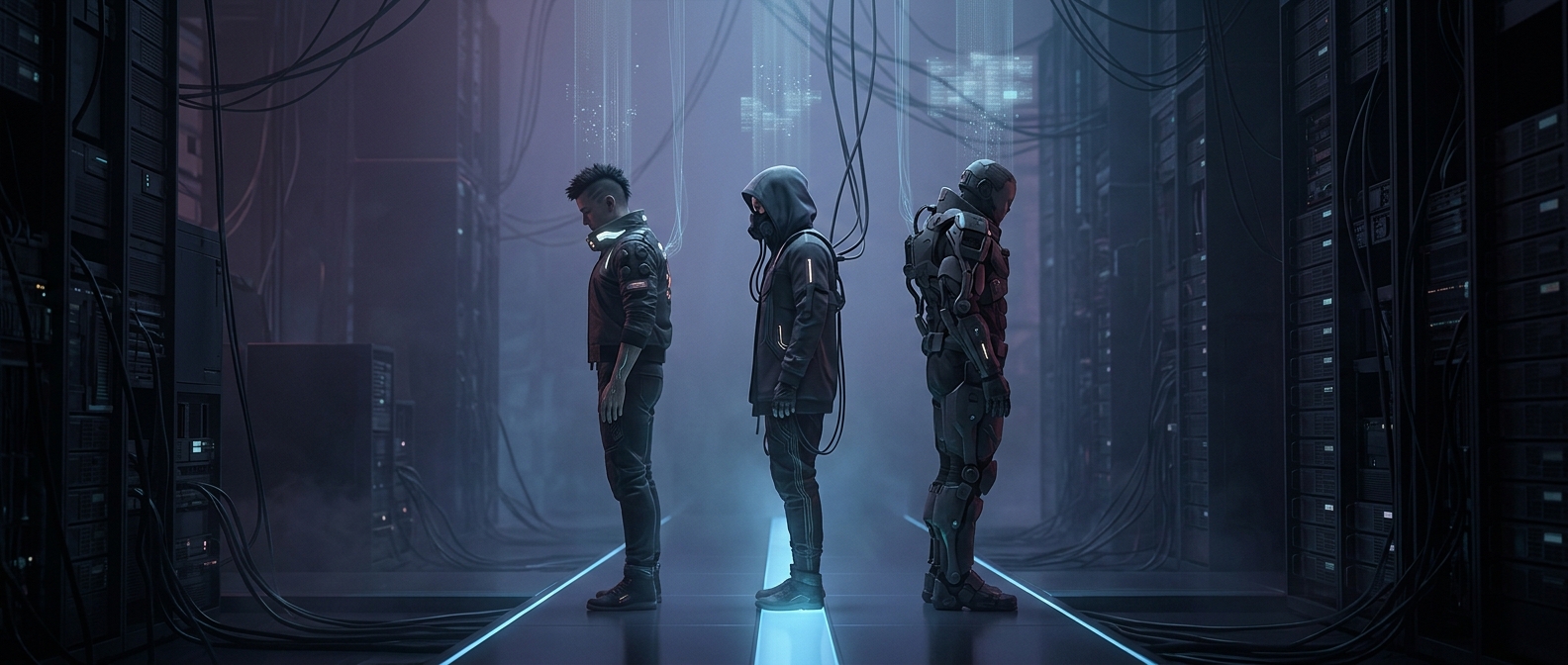
The result is a visible seam between the game’s intended performance and what it can currently deliver. A frozen figure may look like a deliberate, eerie stillness, but in this case it signals that the animation system has fallen back from motion to a simpler pose.